
27 June 2026
How Long Does A Resin Driveway Last?
The honest answer is 20-25 years - but that figure assumes the job was done properly in the first place. A resin driveway installed over a failing concrete base by an installer cutting corners on depth and drainage might start showing problems within five years. The same surface installed by someone who takes the sub-base seriously can look good for three decades.
Most homeowners asking how long resin lasts are really asking two different questions: what should I expect if I get this done right, and what are the ways it can go wrong? Both are worth answering properly before you spend money.
The Sub-Base Is What Actually Determines Lifespan
This point tends to get buried in marketing copy about resin, but it is the single most important factor in how long the surface lasts. The resin and aggregate layer itself is durable - the issue is almost always what happens underneath it.
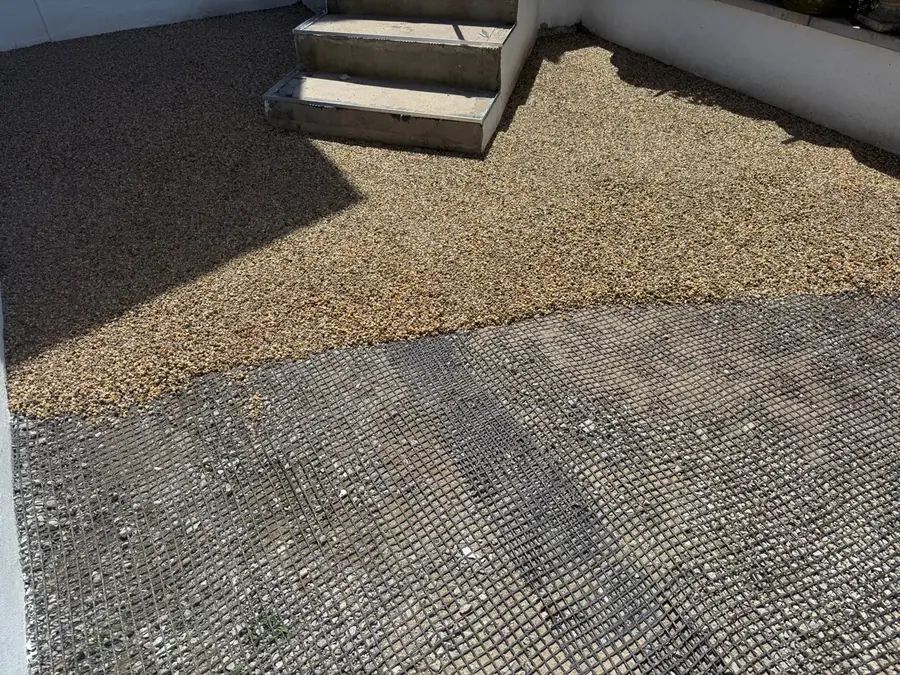
A resin driveway is typically laid at 15-18mm depth. That layer sits on top of whatever base is beneath it - whether that is existing concrete, tarmac, or a newly constructed permeable sub-base. If that base is solid, stable, and draining properly, the resin surface above it will perform as expected for 20-plus years. If the base settles, moves, cracks or becomes waterlogged, the resin layer will reflect those problems regardless of quality.
This is why a thorough site assessment matters so much before any resin is mixed. The national standards for sustainable drainage systems set out the drainage performance requirements a properly constructed permeable sub-base should meet. An installer who quotes an overlay without checking the condition of the existing base is either not looking properly or pricing competitively by skipping the work that matters. If you are getting quotes, ask specifically what they will do with the existing surface and what depth of new sub-base (if any) is planned. The answer tells you a lot.
On our resin driveways page we explain what a properly prepared installation involves - including the permeable sub-base specification that gives Bournemouth properties their best chance of a long-lasting surface.
UV Stability Matters More Than Most Installers Mention
Resin bound surfacing uses a clear polyurethane binder that encapsulates the aggregate. The quality of that binder varies significantly between products, and one of the key variables is UV stability.
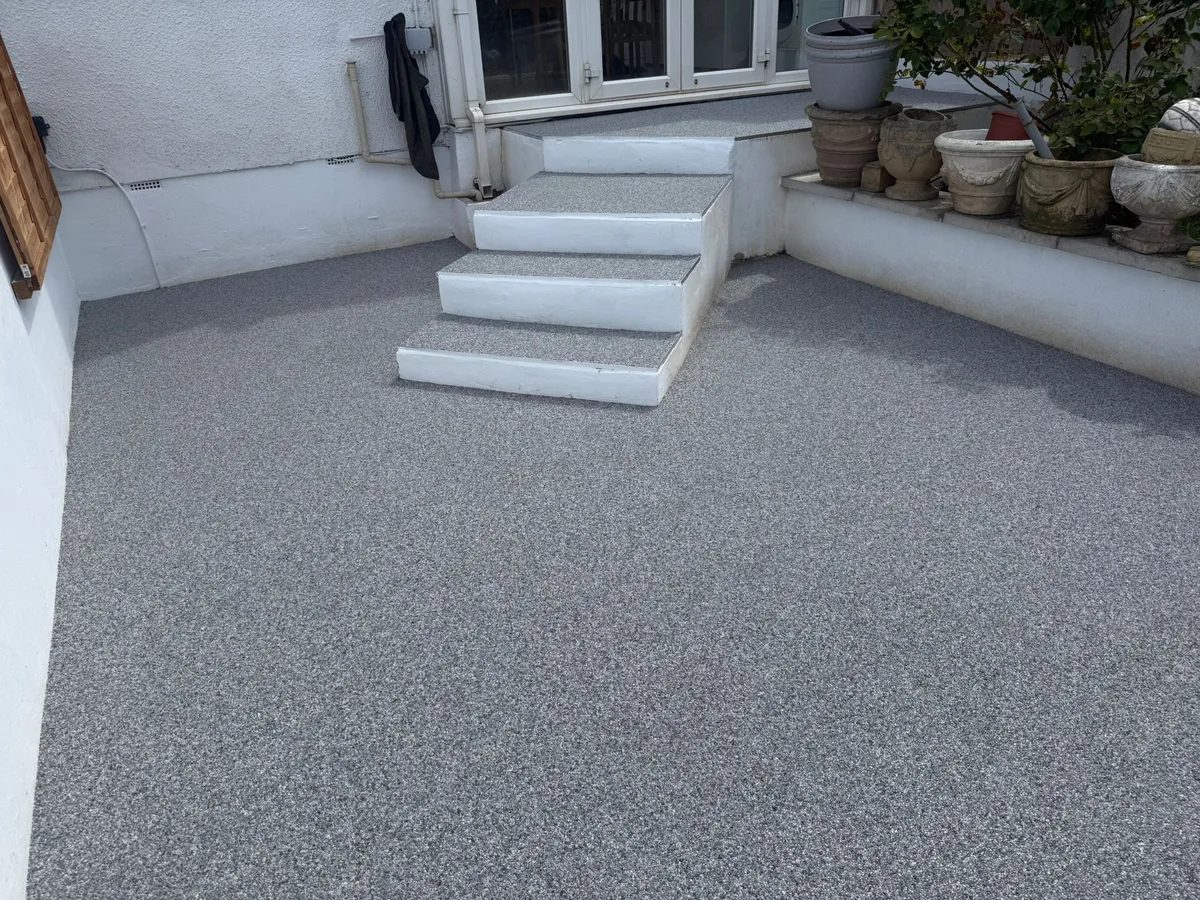
Cheaper resin systems are not fully UV-stable. Over time, and particularly with extended sun exposure, the binder can yellow, become brittle and lose its bond to the aggregate. When that happens, stones start to work loose, the surface takes on an uneven, patchy appearance, and the practical performance degrades. This process can start within three to five years on a south-facing surface that gets direct sun most of the day.
This is a more significant issue on the south coast than it is inland. Bournemouth and Poole consistently see some of the highest sunshine hours in the UK - around 1,800-1,900 hours per year on average, compared to a UK average of around 1,400 hours, according to Met Office long-term climate averages for the Hurn area. South-facing driveways in Southbourne, Canford Cliffs and Branksome Park can get sustained direct sun from morning to late afternoon in summer. A resin system that holds up well in Swindon or Leeds may degrade noticeably faster here.
UV-stable resins cost more. But on a 20-year lifespan calculation, the cost difference between a standard and UV-stable system is minor compared to the cost of early failure or replacement.
How Bournemouth’s Climate Specifically Affects Resin Surfaces
Beyond UV, the south coast climate creates a few conditions worth understanding before you install.
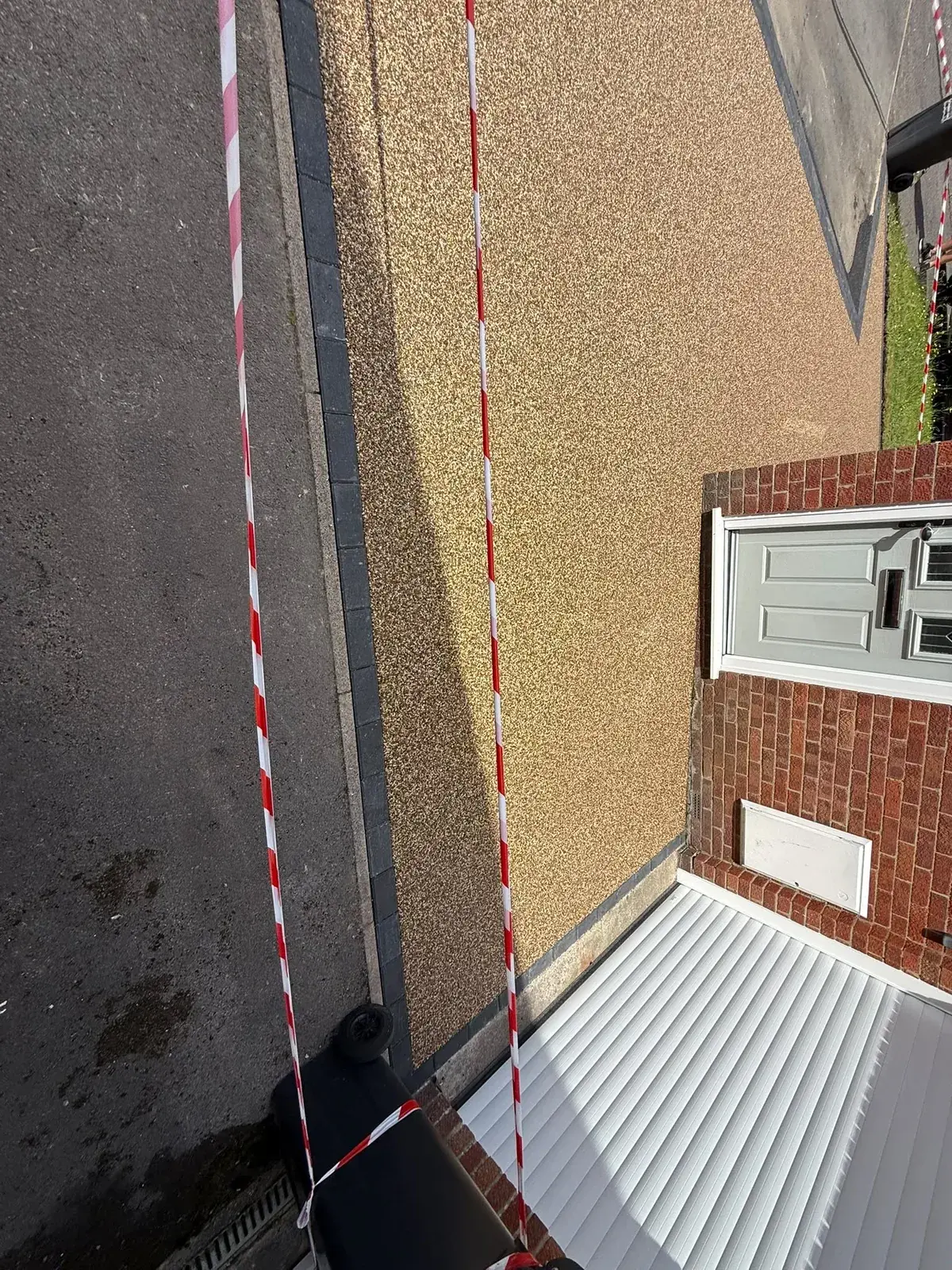
Salt air is a factor for properties close to the seafront - running from Boscombe through Southbourne and around to Canford Cliffs. Salt does not damage the resin surface directly, but it can affect some sealants and metal edging components over time. Properly installed resin with aluminium or concrete edge restraints rather than steel handles coastal conditions well. Ask about edge restraint materials if your property is within half a mile of the sea.
The combination of warm summers and wet winters that Bournemouth experiences is generally good news for resin durability. The surface expands and contracts with temperature, but resin bound surfacing handles this better than concrete or block paving because it has some flexibility and no joints to open up. Frost damage is rare in Bournemouth compared to northern England given the milder winters, which is another advantage for surface longevity.
Drainage performance is consistent with the rest of the south coast. The permeable surface drains through the aggregate layer, which means standing water is not a concern as long as the sub-base is correctly designed. Properties in lower-lying parts of Poole and areas near the River Stour or Bourne Stream benefit particularly from a permeable surface that does not redirect water onto the road or into neighbours’ properties. The government’s guidance on permeable surfacing of front gardens also confirms that resin bound driveways do not require planning permission - unlike impermeable hard-standing over five square metres.
What Maintenance Does A Resin Driveway Actually Need?
Very little. This is one of resin’s genuine practical advantages, and it holds up over the long term in a way that block paving’s maintenance promises do not.
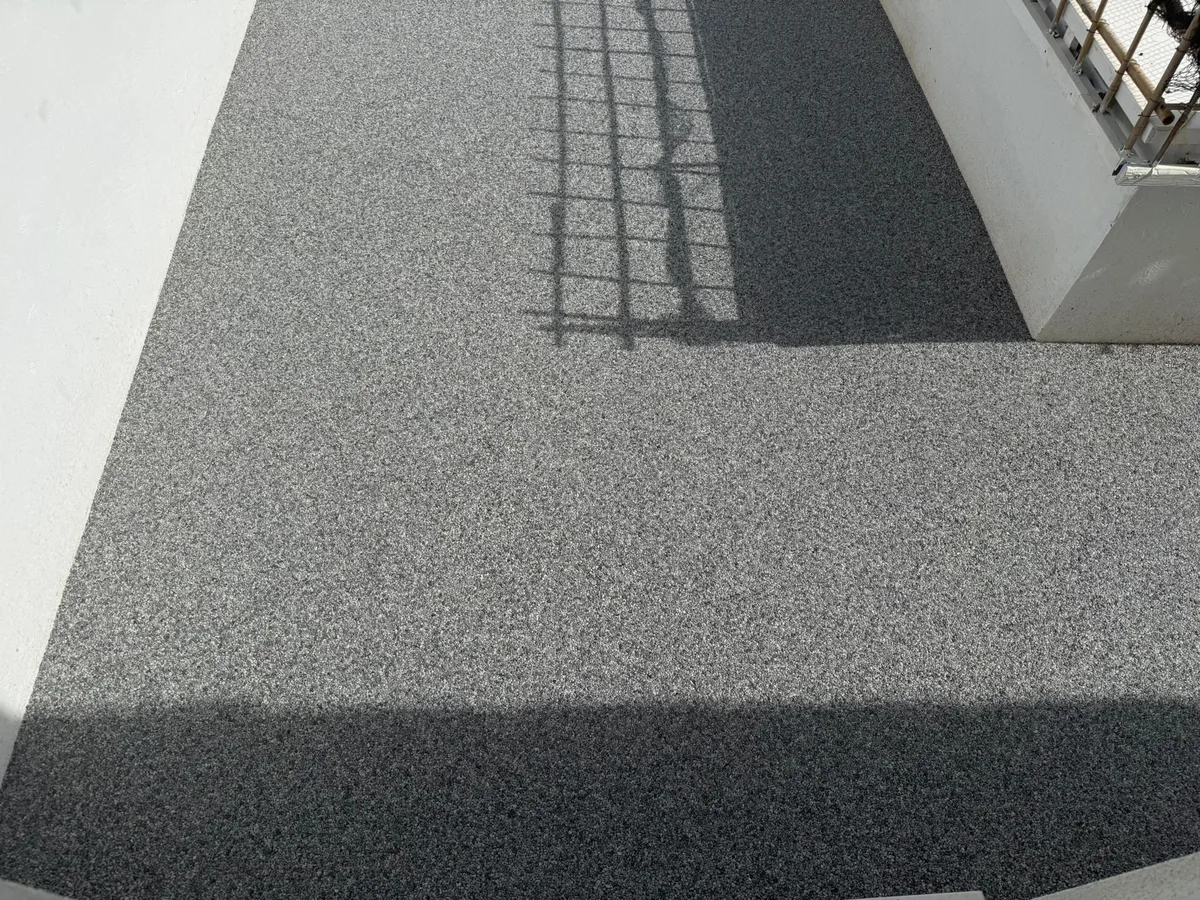
A resin bound driveway needs sweeping to remove leaves and debris, particularly in autumn when leaf tannins can stain the surface if left wet for extended periods. A rinse with a hose or light pressure wash a couple of times a year keeps the aggregate clean and the colour consistent. That is genuinely the full maintenance requirement.
There is no re-sanding. No weed treatment through joints, because there are no joints. No annual sealing. No individual unit replacement when sections sink. Compared to block paving - which most homeowners end up neglecting until the joint weeds are well established and sections have visibly dropped - the maintenance difference over 15 years is significant in both time and cost.
Occasional inspections are sensible, particularly around drainage channels and edging where any movement tends to show first. Small repairs, where they are needed, are generally straightforward and can often be done without disturbing the surrounding surface.
Signs A Resin Driveway Is Reaching The End Of Its Life
Even a well-installed resin surface will eventually need replacing. Signs to look for:
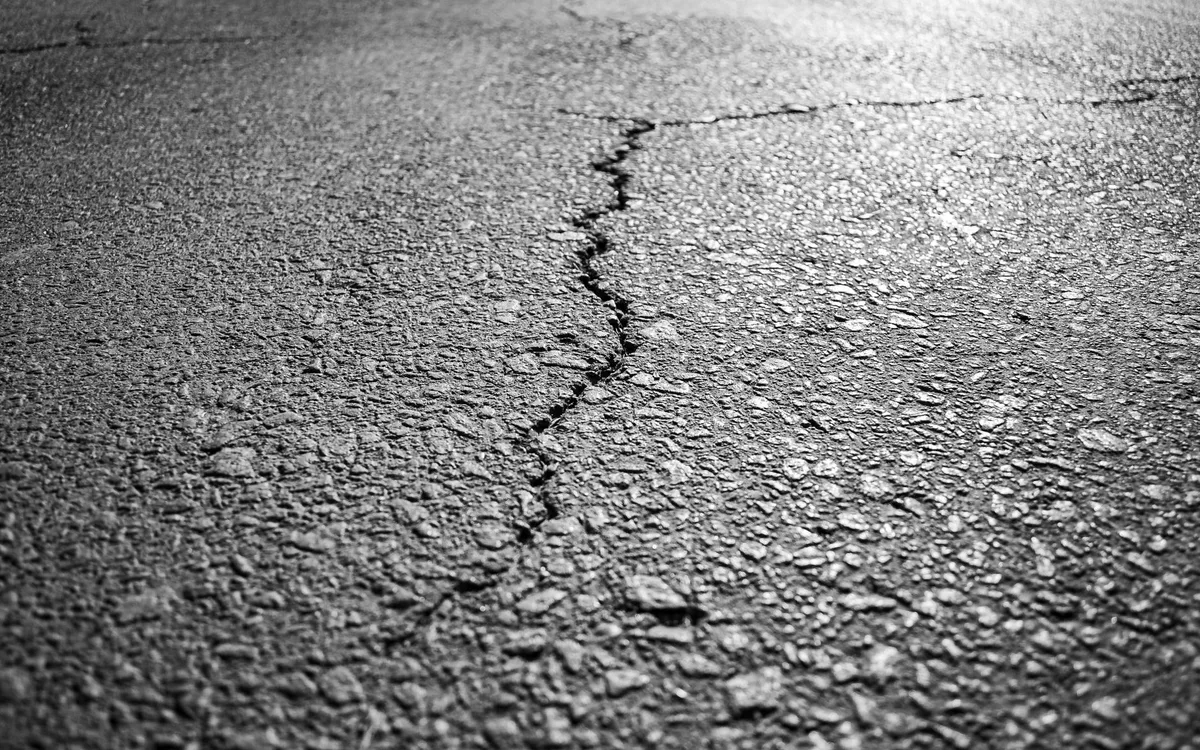
Cracking that runs through the surface in a pattern following the base beneath it usually indicates sub-base movement rather than surface failure. This can sometimes be repaired by addressing the underlying drainage or movement issue and patching, but widespread cracking typically indicates the base needs work.
Aggregate loss - stones loosening and coming away from the surface - points to binder failure, often linked to UV degradation. Small patches can be repaired, but widespread aggregate loss usually means the surface needs replacing.
Delamination, where the resin layer lifts from the base in sections, indicates a bond failure between the resin and the substrate. This is more common where resin has been overlaid onto an existing surface that was not properly prepared.
Discolouration that does not wash off can indicate organic staining, oil penetration or UV-related colour change. Organic staining is usually manageable with appropriate cleaning products. UV yellowing tends to be irreversible and progresses over time.
For context on what a long-lasting resin surface looks like in practice, our before and after examples show several Bournemouth installations at different stages.
The Bottom Line On Lifespan
A resin driveway installed properly - correct sub-base depth, UV-stable resin, right depth of material, properly designed drainage falls - will last 20-25 years in Bournemouth with minimal maintenance.
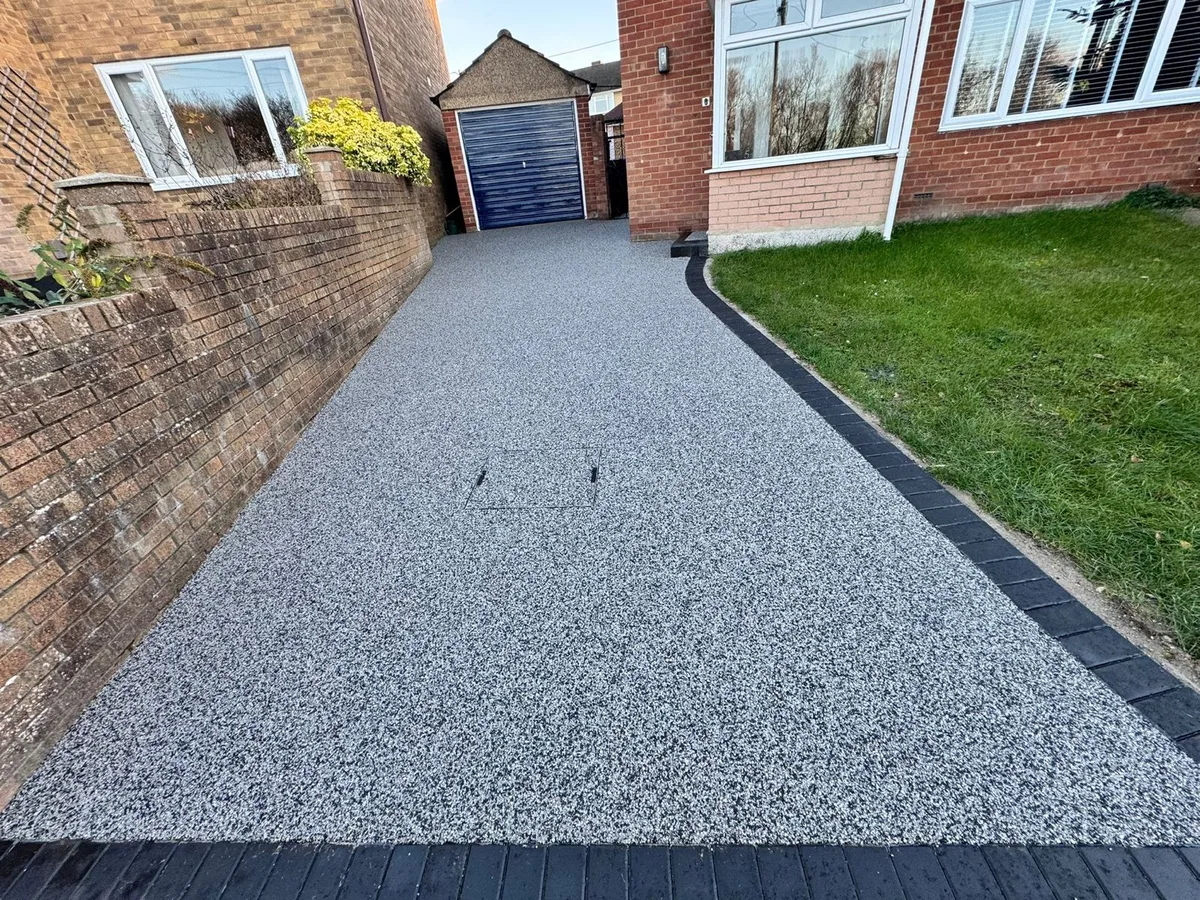 Some installations go longer. The surface does not have a hard expiry date; it degrades gradually, and the rate of degradation depends on the quality of the original installation and the conditions it faces.
The question worth asking before you commission the work is not just “how long will it last?” but “what is this installer doing to make it last?” An experienced installer should be able to explain their sub-base specification, their resin system and its UV rating, and the depth they are working to. If that conversation is vague, the lifespan of the finished surface probably will be too.
If you are weighing up the overall cost and value of a resin driveway investment, our piece on whether a resin driveway adds value to your home covers the financial side in more detail.
Frequently Asked Questions
How long does a resin driveway last?
A correctly installed resin bound driveway on a properly prepared sub-base typically lasts 20-25 years. The main variables are the quality of the sub-base preparation, the UV stability of the resin system used, and how well the drainage falls are designed. In Bournemouth and on the south coast, UV stability is particularly important because sunshine hours are higher than most of the UK - cheaper resins can yellow and become brittle within a few years of south-facing exposure.
What causes a resin driveway to fail early?
The most common cause of early failure is a poor sub-base. If the ground beneath the resin settles, shifts or loses drainage, the surface will crack and delaminate regardless of the resin quality on top. Other causes include using a resin system not rated for UV exposure (leading to yellowing and brittleness), incorrect depth of resin application, or laying resin over an existing base that was already failing. A thorough site assessment before installation is the most important factor in long-term performance.
How long does resin last compared to block paving or tarmac?
A well-installed resin driveway outlasts both. Block paving on a good base lasts around 15-20 years, but requires re-sanding every few years and ongoing weed control through the joints. Tarmac typically needs resurfacing within 10-15 years and patches sooner if the base moves. Resin on a properly prepared permeable sub-base should reach 20-25 years with very little intervention.
Does a resin driveway need resealing?
No. Unlike some paving materials, resin bound surfacing does not need periodic sealing. The aggregate is fully encapsulated in the resin at installation, so there is no surface coating that wears away over time. Maintenance is limited to sweeping and an occasional rinse - no annual sealing, no re-sanding, no weed treatment.
How do I know if my resin driveway needs replacing?
Signs that a resin surface is reaching the end of its life include: significant cracking or delamination (where the resin layer lifts from the base), widespread loss of aggregate (stones loosening from the surface), areas of subsidence where the base has moved, or discolouration that cannot be removed by cleaning. Small localised damage can often be repaired without a full replacement.