
3 July 2026
How To Choose A Resin Driveway Installer In Bournemouth
The gap between the best and worst resin driveway installers in the Bournemouth area is wide. A well-installed surface on a properly prepared sub-base will look good for 20-plus years with almost no maintenance. A badly installed one - wrong resin grade, inadequate sub-base, poor drainage - can start failing within a few years, and fixing it properly means starting again.
Most homeowners commissioning a driveway cannot tell which they are about to get.
The Site Visit Tells You A Lot Before Any Work Starts
Any installer worth using will visit the property before giving a firm quote. This is not just about measuring the area - it is the only way to properly assess what the job actually involves.

During a proper site visit, an installer should be checking: the condition and type of the existing surface (can it be overlaid or does it need lifting?), how well the site drains (is there standing water after rain, and where does it go?), any level changes, steps or edging complexity, access for equipment, and what is beneath the surface if the existing base looks compromised.
An installer who gives a firm price without visiting the site is guessing at all of these things. Some will discover on the day that the existing base needs lifting after all, or that the ground is wetter than expected, and the price changes. Others will just proceed on the original spec and hope for the best - which is worse.
The visit itself is also a reasonable proxy for how the company works. An installer who spends twenty minutes properly assessing the site, explains clearly what they are recommending and why, and answers questions directly is working in a way that tends to produce better outcomes than one who walks around for five minutes and follows up with a single number.
What To Ask About The Sub-Base
The sub-base is the single biggest determinant of how long a resin driveway lasts. It is also the part of the job that is invisible once it is done.
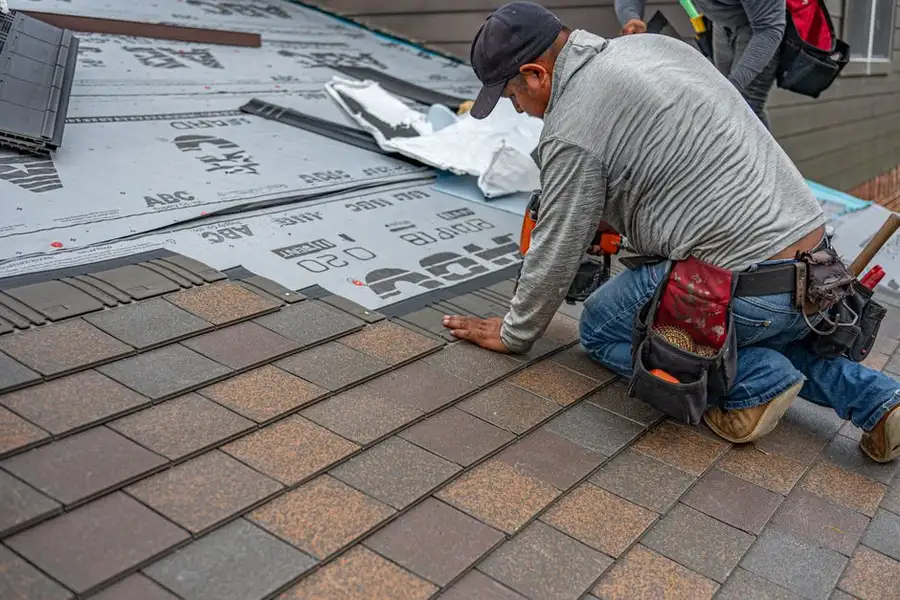
Three questions are worth asking directly when an installer visits.
First: are they overlaying the existing surface or lifting it, and why? An overlay on a sound, level, well-draining base is fine. An overlay on cracked or settling concrete is a shorter-term fix. If they are recommending a full lift, the reason should be clear.
Second: what sub-base material and depth are they specifying? A correctly installed permeable sub-base uses MOT Type 3 open-graded aggregate at 100-150mm depth depending on ground conditions. Some installers cut this to save time and cost. The national standards for sustainable drainage systems{target=“_blank” rel=“noopener noreferrer”} set out what a compliant permeable base should achieve - familiarity with those standards is a reasonable indicator.
Third: what resin system are they using, and is it UV-stable? Bournemouth and Poole consistently record some of the UK’s highest sunshine hours. A system that performs fine in the Midlands can degrade faster here. The binder should be UV-stable polyurethane. Ask which product they use - a vague or evasive answer is worth noting.
Checking Reviews And Past Work

Google reviews are harder to fabricate at scale than website testimonials. Look for a reasonable number of them - a company doing consistent work across Bournemouth should have more than a handful - and read the detail. Reviews that mention specific streets or areas, name crew members, or describe particular aspects of the job are more likely to be genuine than generic five-star comments. Check how the company responds to the occasional negative review. Professional and constructive responses are a reasonable sign of how they handle things when work does not go perfectly.
Ask the installer if they have completed jobs nearby that you could see. A company operating legitimately across the Bournemouth area should have recent work within a few miles. Seeing a job installed six months ago - slightly aged, in normal conditions, with the homeowner present to give their view - tells you considerably more than a photo on a website. The installer might also be willing to pass your number to a recent customer who is happy to speak to you.
Social media and the company’s website give some indication of how long they have been operating and the standard of their work. But be aware that stock photos are common - ask whether photos shown are their own installed work before drawing conclusions.
Guarantees And What They Actually Cover

Ten years is the benchmark for a resin driveway workmanship guarantee from a reputable installer. Less than five from anyone presenting themselves as a specialist is low. When you receive a written guarantee, read what it covers - most will specify:
- Delamination (the resin layer separating from the base)
- Surface cracking due to installation defects
- Significant aggregate loss from the surface
And what it does not cover:
- Damage from petroleum products or solvents
- Indentation from heavy vehicles outside normal domestic use
- Natural colour change in the aggregate over time (which is normal and not a defect)
The company’s trading history matters alongside the guarantee length. A ten-year guarantee from a business that has been operating for eighteen months is hard to rely on. A ten-year guarantee from a company that has been working locally for fifteen years and has completed jobs you can go and look at is worth considerably more. Ask when the company was established and whether the same directors have been running it throughout.
Check that the installer carries public liability insurance - ask for the certificate or ask that it is produced on request. This protects you if something goes wrong during the installation and the company does not have the resources to put it right.
Red Flags Worth Knowing About
Most homeowners who end up with a poor resin installation had some warning signs beforehand. The common ones:
A quote significantly below the others - usually 25-30% or more - with no clear explanation of why. This usually reflects either a thinner application, a lower-grade resin, an inadequate sub-base spec, or all three.
Pressure to commit quickly. Legitimate installers with full order books do not need to close a sale the same day. “This price is only available today” is a sales tactic, not a scheduling reality.
No written quote. A verbal estimate has no standing if work turns out different from what was discussed. Get everything in writing.
Requests for large upfront payments. A reasonable deposit of 25-30% to secure materials and a slot is normal. Requests for 50% or more upfront before work starts are uncommon among established companies.
No fixed address or company registration visible anywhere. All legitimate businesses can provide a company registration number which you can verify on Companies House. Trading names are fine - checking whether the underlying company is registered costs two minutes.
Why Local Experience Matters In This Area
A company that has been installing resin driveways across Bournemouth and Poole for several years will have encountered the range of local ground conditions - the sandy heathland soils of Ferndown and Canford Heath, the clay-rich ground around parts of Poole and Wimborne, the wetter sites near the rivers, the coastal properties where UV and salt air need particular attention.
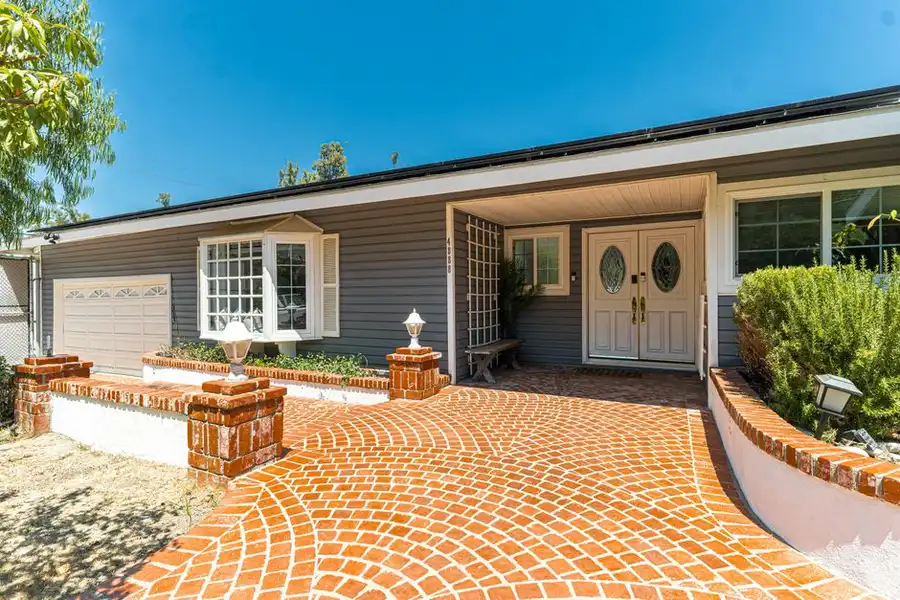
That local knowledge matters when specifying the sub-base, choosing the right resin grade, and working out where drainage needs to go. A national company subcontracting jobs locally, or a team new to the area, may not have the same familiarity with what local conditions look like six months after installation.
We have been installing resin bound driveways, patios and pathways across Bournemouth, Poole, Christchurch and the surrounding Dorset and Hampshire towns for fifteen years. Every job starts with a free site survey. Every installation comes with a 10-year workmanship guarantee backed by a company that has been operating continuously in this area throughout that period.
If you are comparing installers and want a straight conversation about what your job involves and what it should cost, get in touch and we will arrange a visit.
Frequently Asked Questions
How do I find a reputable resin driveway installer in Bournemouth?
Start with installers who offer a free site visit before quoting - anyone who will give a firm price without seeing the property is guessing at key variables. Check for genuine local reviews on Google rather than testimonials on the company website. Ask specifically about their sub-base specification and the resin system they use, including whether it is UV-stable. Local installers who have been operating in the Bournemouth area for several years and can point to completed nearby jobs are lower risk than companies who quote remotely and subcontract locally.
Should I get multiple quotes for a resin driveway?
Yes, two or three quotes is sensible. More than that is usually unnecessary and time-consuming. When comparing, check what each quote actually includes - whether the existing base is being lifted or overlaid, sub-base depth and specification, what resin system is being used, and whether edging and clearance are in the price. A lower headline figure that excludes these items may end up costing more than a higher figure that includes them.
What guarantee should a resin driveway installer offer?
A reputable installer should offer a workmanship guarantee of at least five years, and ideally ten. The guarantee should be in writing and cover the surface delaminating, cracking due to poor installation, or aggregate loss. Check what the guarantee does not cover - most exclude damage from heavy vehicle loads outside normal domestic use, and from chemical spillage. A ten-year workmanship guarantee backed by a company that has been trading for more than a few years is meaningful. A ten-year guarantee from a company that has been operating for eighteen months is harder to value.
Is the cheapest resin driveway quote the worst?
Not always, but a quote significantly below the others usually means something has been left out or a different product is being used. The most common differences are: the existing base being overlaid without proper assessment, a cheaper resin system that is not UV-stable, a thinner application than the standard 15-18mm, or aggregated materials of lower quality. In Bournemouth and the south coast, UV stability matters considerably - a system that performs adequately inland can degrade faster in higher sunshine conditions. It is worth asking what resin product is being used and checking whether it carries a UV-stability rating.
Do resin driveway installers need to be registered or accredited?
There is no single mandatory accreditation for resin driveway installers in the UK. However, membership of the National Federation of Roofing Contractors (NFRC) or compliance with their Assured Installer scheme for resin bound surfacing indicates a baseline level of technical knowledge and standards. Installers who work to the NFRC's technical guidance are more likely to specify the right sub-base, use appropriate materials, and install at the correct depth. You can also check whether the installer is VAT registered (required above a certain turnover threshold) and carries public liability insurance.