
27 June 2026
Resin Driveway Colours: Which One Works Best For Your Bournemouth Home?
Resin driveways come in a much wider range of colours than most homeowners expect when they first start looking. The choice you make will be in front of your house for 20-plus years, so it is worth thinking about properly - not just picking something from a website photo and hoping for the best.
Bournemouth properties have some specific things to consider here. The coastal light is noticeably different from inland - colours that look neutral in a showroom can appear warm or cool depending on the time of day and which way your drive faces. And south-facing properties on the south coast get more direct sun than almost anywhere else in the UK, which matters for both colour consistency and surface temperature.
The Core Colour Families For Resin Driveways
Most resin aggregates fall into three broad families, and knowing which one suits your property saves a lot of back-and-forth later.
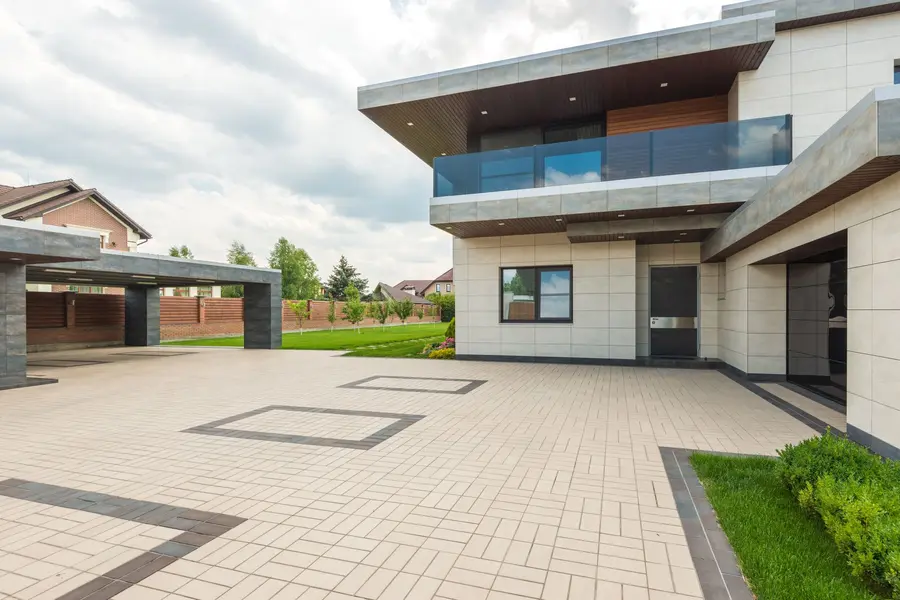
Cool tones - charcoal, slate, graphite, silver-grey - dominate on modern properties. They work with white render, dark window frames, and contemporary landscaping. In the right setting they look sharp and unfussy.
Warm tones - buff, golden, honey, terracotta, sandstone - suit older and traditional properties better. Red brick, cream render, and Edwardian or Victorian frontages tend to sit more comfortably with warm stone than cool grey.
Mixed and blended aggregates, where the installer combines two or more stone types, give a more natural appearance. Close up you see the individual colours; from the road it settles into a single mid-tone. These tend to be the most forgiving option when the property is harder to read.
Browse the full range we install on our resin driveway colours page.
Charcoal And Grey - Why They Dominate
There is a reason charcoal and grey account for the majority of resin driveway installations in the UK right now. They work on almost everything.
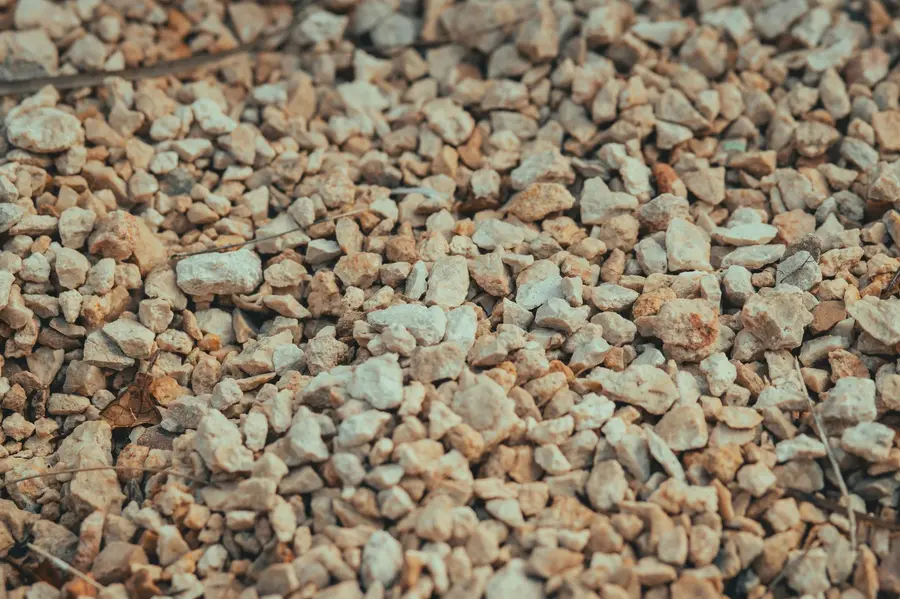
Charcoal is neutral without being stark. It shows less everyday dirt than pale colours. It does not clash with white UPVC windows, which are on the vast majority of properties. And a UV-stable resin binder keeps the colour consistent over time even on south-facing drives that get full afternoon sun.
Where it goes wrong is on period properties, where it can look too industrial. A charcoal drive in front of an Edwardian terrace in Boscombe can look slightly jarring. For those properties, a softer grey or a mixed aggregate blended with warm stone sits better.
One practical thing worth knowing about mid-grey versus charcoal: very dark surfaces absorb heat, and a near-black drive on a south-facing Bournemouth property can get uncomfortably warm underfoot in July and August. Mid-grey is noticeably cooler. Not a dealbreaker, but worth mentioning to people with young children or dogs.
Warm Tones: Buff, Gold And Sandstone
Buff and golden tones have been a staple of Bournemouth driveways for years, partly because they complement the sandy brick and pale render common across Southbourne, Westbourne, and Canford Cliffs.
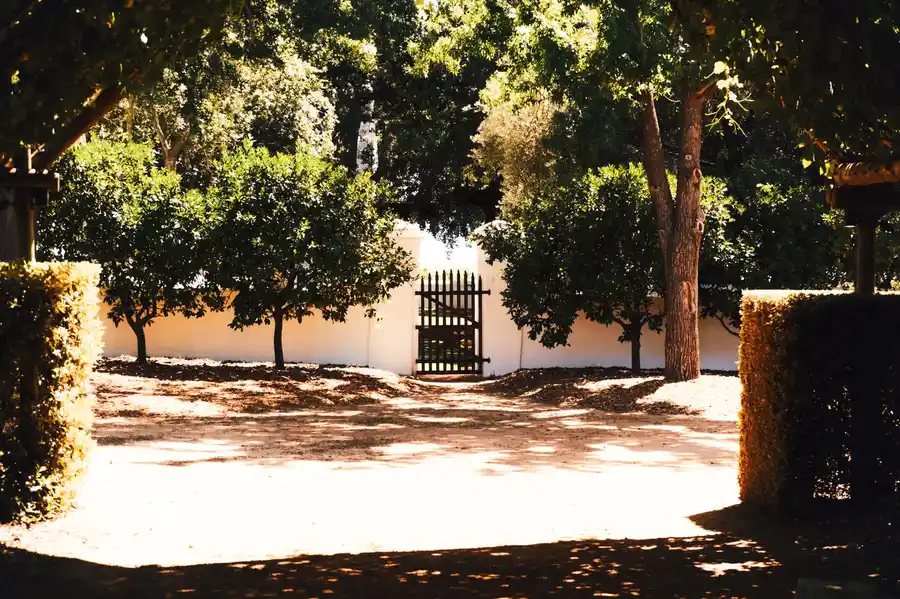
A buff or honey aggregate on the right property does not look like a design choice - it looks like the driveway has always belonged there. The stone sits with the surroundings rather than against them.
The catch with the paler end of the warm range is maintenance. Light cream or white buff looks excellent when fresh but shows tyre marks and leaf staining more quickly than mid-tones. A gold or sandstone a shade or two darker than the lightest option gives you most of the warmth with considerably less upkeep. It is one of those choices where going slightly bolder actually makes life easier.
Near the seafront from Boscombe through to Canford Cliffs, warm tones also suit the environment well. Charcoal can feel slightly at odds with a coastal setting in a way that buff and sandstone do not.
How Colour Affects Kerb Appeal And Property Value
Colour is one of the few driveway decisions that directly affects first impressions from the road - which matters for resale as much as day-to-day appearance.
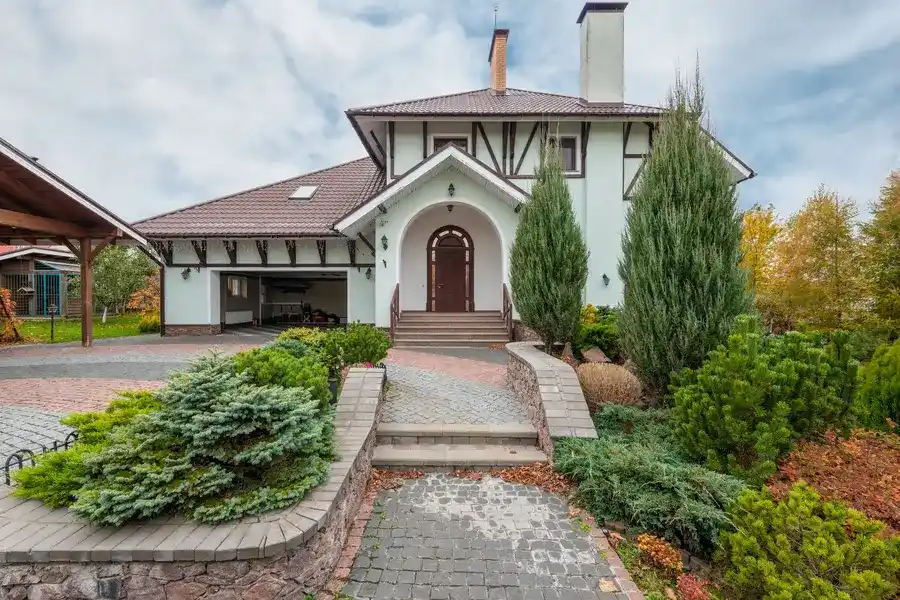
The driveway should complement the property, not fight it. A colour that harmonises with the render, brick, or cladding looks intentional. A mismatch - warm stone against cool grey render, or vice versa - makes the whole frontage look slightly off, even if you cannot immediately identify why.
For properties where resale is a consideration, neutral choices tend to be safer. Mid-grey, charcoal, and buff appeal to the widest range of buyers. A deep terracotta or an unusual blended colour might look excellent in the right context, but they narrow your buyer pool to people who share that taste.
Our post on whether a resin driveway adds value to your home covers this in more detail - but colour choice is one of the factors that determines whether the value uplift actually materialises.
Matching Colour To Your Property’s Architecture
The Bournemouth area has a wide range of property types, and they genuinely do not suit the same colours.
Newer builds with white or light grey render - common across Poole, Christchurch, and newer parts of Bournemouth - suit cool charcoal or slate. The contrast is clean.
Properties with red or sandy brick, prevalent in Boscombe, Southbourne, and older parts of Poole, are usually better served by buff or honey tones. Cool grey on red brick can look washed out, like someone chose it from a catalogue without looking at the house.
Edwardian and Victorian terraces are where mixed aggregates come into their own. A single block colour on a period property often looks slightly incongruous. The varied texture of a blended aggregate is more in keeping.
Detached bungalows with pebble dash or textured render, which you see all over the Bournemouth suburbs, can go either way, but mid-tones tend to be more forgiving than anything at the extremes.
Ask your installer to bring sample boards and hold them against the property in both morning and afternoon light. Colours shift quite significantly between grey November light and a bright June afternoon, and the south coast gets plenty of both.
What To Watch Out For With Colour Samples Online
The gap between a colour on screen and the same colour installed across your whole driveway is bigger than people expect.
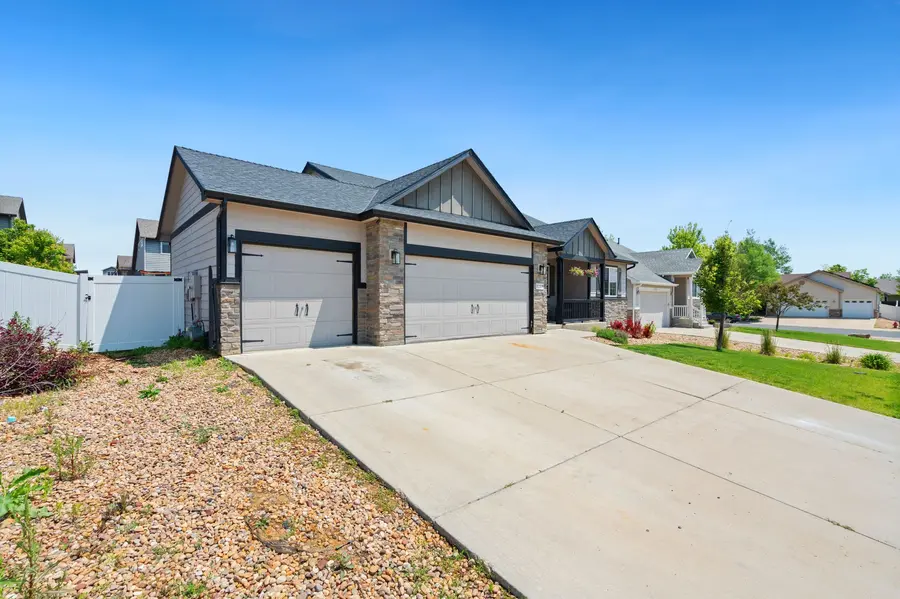
Photography of installed driveways is done in the best possible conditions - full sun, no shadows, fresh after cleaning. The same colour in flat overcast light with some leaf debris and tyre tracks looks quite different. And the scale of the surface against a full property reads differently from a small photograph on a monitor.
Physical sample boards are the baseline. Beyond that, if your installer has done recent work nearby in the colour you are considering, ask to see it. Most reputable installers working across Bournemouth and Poole will have jobs within a few miles where the homeowner may be happy to have a quick look. Seeing a colour aged slightly, at scale, in ordinary conditions is worth more than any number of website photos.
The NFRC guidance on surfacing standards sets out what professional resin installation should involve, which is useful when assessing whether a finished job actually matches what was quoted. And the government’s guidance on permeable surfacing of front gardens is worth reading if you are in a conservation area or have any planning queries about your project.
Get a free colour consultation for your Bournemouth property
Frequently Asked Questions
What is the most popular resin driveway colour?
Charcoal and mid-grey are consistently the most popular choices across Bournemouth and the south coast. They suit both modern and traditional properties, hide everyday dirt well, and hold their appearance over time. Buff and golden tones are a close second - particularly popular for properties with sandy brick or cream render, which is common in this part of Dorset.
Do resin driveway colours fade?
A UV-stable resin system will hold its colour well for 15-20 years. The aggregate (stone) itself does not fade - the risk of colour change comes from the resin binder, not the stone. Cheaper resin systems without UV inhibitors can yellow or lighten noticeably within a few years of south-facing sun exposure. On the south coast where sunshine hours are higher than the UK average, specifying a UV-stable resin grade is particularly important.
Can I see resin driveway colour samples before committing?
Yes - any reputable installer should be able to show you physical sample boards with the actual aggregate colours. Photos online can look different from the real thing depending on lighting and screen settings, so seeing physical samples in natural light at your property is the most reliable way to judge how a colour will look. Ask to see samples positioned on or near your existing path or drive so you can assess how it sits against your property.
Which resin driveway colour hides dirt best?
Mid-tones - charcoal, slate grey, and blended colours - generally show less day-to-day dirt than very pale or very dark options. Bright white and cream surfaces show tyre marks and leaf staining quickly. Very dark charcoal can highlight dust and light debris. A medium grey or a blended multi-tone aggregate tends to be the most forgiving for ongoing maintenance.
Can I match my resin driveway colour to my front door or render?
Yes, and it is worth doing. A good installer will work through colour combinations with you rather than just pushing their most popular option. Common pairings on Bournemouth properties include: charcoal or slate grey with white or light grey render, buff or gold tones with brick or cream render, and mixed aggregate blends on older traditional properties where a single block colour can look slightly out of place.