
30 June 2026
Planning Permission For Resin Driveways In Bournemouth: What You Need To Know
Planning permission is one of the first questions homeowners ask when they start looking at a new driveway. The answer for resin in Bournemouth is almost always no - but there are exceptions worth understanding before work starts, particularly if your property is in one of the area’s conservation areas or is listed.
The Basic Rule: Permeable Surfaces Do Not Need Planning Permission
The planning rule that governs driveway surfacing in England changed in 2008. Before that change, any hardstanding over 5 square metres in a front garden required planning permission. After it, permeable surfaces were exempted.
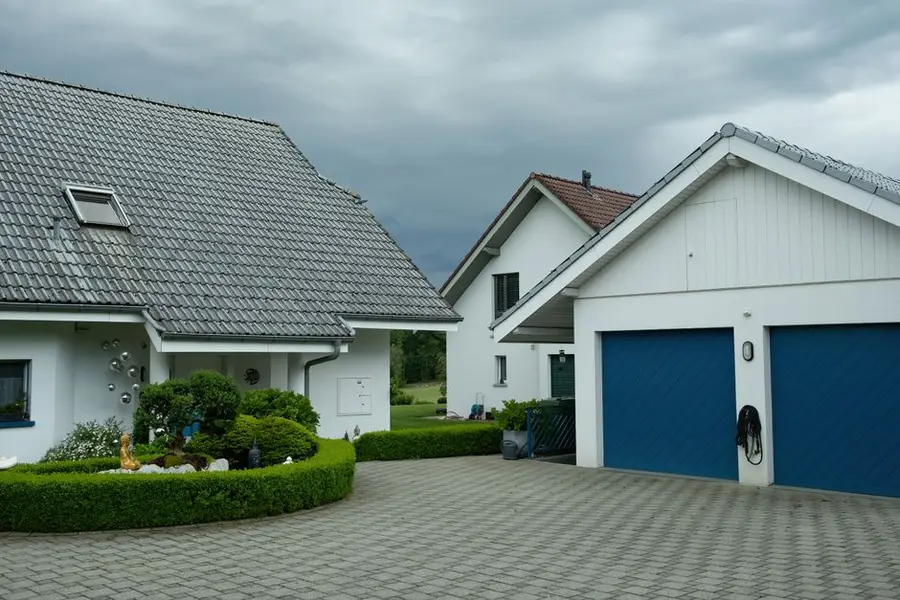
The change came because impermeable hard surfaces in front gardens - millions of them installed since the 1970s - contribute to surface water runoff and urban flooding. A permeable surface that lets water drain through does not create that problem, so the government exempted permeable surfaces from the requirement while keeping the restriction on impermeable ones.
The current position under the Town and Country Planning (General Permitted Development) (England) Order is:
- Under 5m²: no permission needed regardless of surface type
- Over 5m², permeable surface: no permission needed
- Over 5m², impermeable surface: planning permission required
Resin bound surfacing is permeable. Water drains through the aggregate layer and into the sub-base beneath, rather than running across the surface onto the road. This is confirmed in the government’s guidance on the permeable surfacing of front gardens{target=“_blank” rel=“noopener noreferrer”}, which specifically covers resin bound systems as qualifying permeable surfaces.
A standard front driveway is almost always over 5m². This means if you are replacing an old concrete or tarmac drive with resin, you are swapping an impermeable surface (which, if laid now, would require permission) for a permeable one that does not. The planning position improves.
Important Distinction: Resin Bound vs Resin Bonded
This is worth being clear on because some installers are not.
Resin bound surfacing has the aggregate fully mixed into the resin before application. The result is a porous surface where water can drain through the surface itself and into the sub-base. This is what most reputable installers refer to when they say “resin driveway”, and this is the type that qualifies as a permeable surface for planning purposes.
Resin bonded surfacing has aggregate scattered onto a resin base coat applied to an existing solid surface. The result is a decorative finish that looks similar but sits on top of a solid impermeable base. Water cannot drain through it. This type does not qualify as permeable under the planning guidance.
The distinction matters most when you are replacing an existing solid concrete base. Some installers will overlay a resin bonded finish onto the concrete. That is quicker and cheaper than breaking out the old base, but it does not give you a permeable surface - and if your driveway is large, it technically falls back into the category that requires planning permission.
We always install resin bound surfacing on a properly prepared permeable sub-base. If you are getting quotes that involve overlaying an existing concrete base with a thin bonded coating, it is worth asking which type they are proposing.
Conservation Areas In Bournemouth And Poole
Conservation areas complicate the standard permitted development picture.
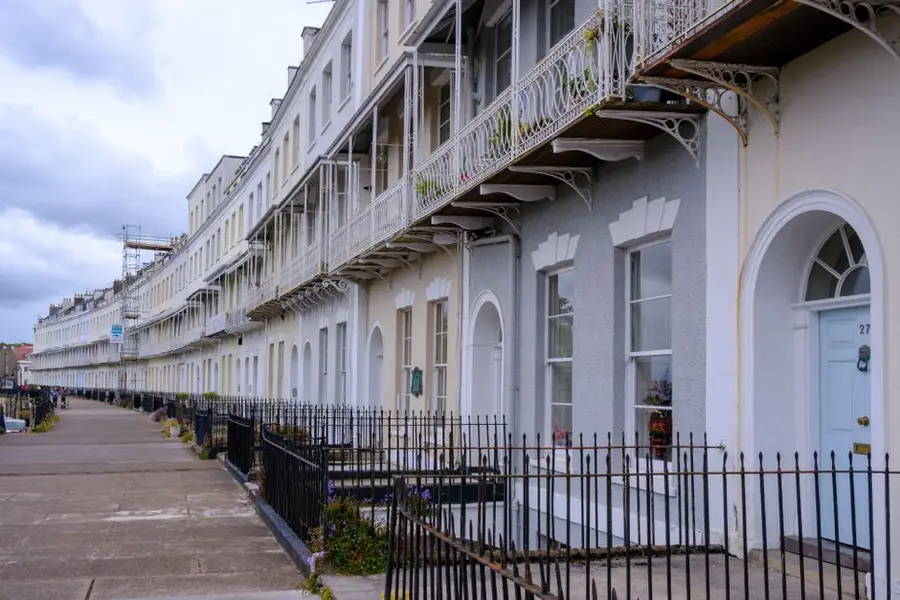
Bournemouth, Christchurch and Poole Council designates conservation areas across the conurbation. These include parts of central Bournemouth, Southbourne, Branksome Park, Canford Cliffs, and various other areas with distinct historic or architectural character.
Within a conservation area, some permitted development rights that apply elsewhere are removed or restricted. The specific restrictions depend on the conservation area and what the Article 4 Directions (if any) attached to it actually say. Not all conservation areas have the same restrictions.
For driveways specifically, the main consideration is whether the work would materially affect the appearance of the property from the street. Rear driveways and back garden hard standing are almost always unaffected by conservation area restrictions. Front driveways are where questions arise.
In practice, a permeable resin replacement of an existing front driveway surface in a conservation area is unlikely to require formal consent in most cases - but the safest approach is to check with Bournemouth, Christchurch and Poole Council’s planning team before starting work. Pre-application advice is usually free for householder queries and gives you a clear written position. If consent is needed and you proceed without it, the council can require you to restore the original surface.
Listed Buildings
Listed buildings are a different category from conservation areas, and the rules are stricter.
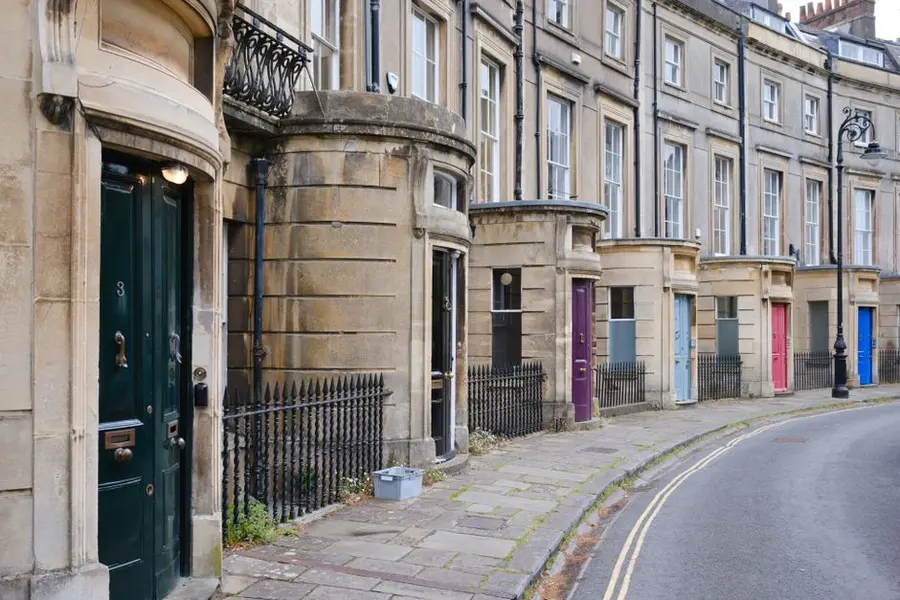
Any works to a listed building or within its curtilage (the land around it) that would affect its character as a building of special architectural or historic interest require Listed Building Consent, regardless of whether they would otherwise be permitted development. This applies to the grounds and outbuildings, not just the main structure.
A new resin driveway at a listed property would typically need Listed Building Consent if it is visible from the street or if the existing surface has historic significance. The consent application is assessed against how the new surface affects the setting and character of the listed building.
There are listed buildings across Bournemouth and Poole - including historic properties in the town centres, Victorian villas, some of the large detached houses in Canford Cliffs, and buildings associated with the area’s historic development. If you suspect your property might be listed, you can check the Historic England register online. Local estate agents and solicitors dealing with the property will also know.
We can usually advise based on the specifics of a property whether consent is likely to be required. Where it is, we can continue once the homeowner has obtained the relevant consent - the application process is often straightforward for a replacement driveway surface that would not alter the visible historic fabric of the building.
What The Rules Mean In Practice For Most Bournemouth Homeowners
For the majority of Bournemouth and Poole residential properties - standard semi-detached and detached homes on the main residential estates, areas like Charminster, Kinson, Wallisdown, Southbourne, Parkstone, and similar - the position is simple.

A resin bound driveway on a standard residential property outside a conservation area does not require planning permission. You can commission the work, get the job done, and not need to interact with the planning department at all.
This is not a grey area or a technical loophole - the government guidance is explicit that permeable surfaces meeting the drainage requirement are exempt. The NFRC guidance on bound surfacing{target=“_blank” rel=“noopener noreferrer”} covers the technical standards that a resin bound installation should meet, which is useful if you are ever asked to demonstrate that a surface qualifies as genuinely permeable rather than just claimed to be.
Where it is worth double-checking - and we always flag this on the site survey - is if your property is in a conservation area, if it appears to be listed, or if you have Article 4 Directions in your area that restrict permitted development. In any of those cases, a quick enquiry to the council before work starts is the right approach.
Rear Garden And Patio Rules
Rear gardens work differently. There are no specific planning rules that apply to rear garden hard surfaces in the same way as front driveways.
Rear patios, garden pathways, and rear driveways do not require planning permission under normal residential circumstances. This applies whether the surface is permeable or impermeable. The only exceptions are:
- Listed buildings, where all works affecting the building’s curtilage may need consent
- Properties where Permitted Development Rights have been removed by a planning condition (unusual but it does happen on some estates and in some areas)
- Very large domestic engineering works that change land levels significantly
For the overwhelming majority of homeowners asking about a resin patio or rear garden path in Bournemouth or Poole, the answer is simply: no permission needed.
See our resin patios page and resin pathways page for more on what we install in rear gardens across the area.
Getting A Definitive Answer For Your Property
If you are still unsure after reading this, there are two routes.
The council is the definitive source. Bournemouth, Christchurch and Poole Council’s planning department handles pre-application enquiries for householders. A simple email with the property address and a description of the work will usually get you a written answer. Conservation area status can be checked through the council’s GIS mapping or the planning portal.
We can also flag it on the site survey. We visit every property before quoting and we will note things like conservation area location and any visible listed building markers in the course of that visit. We cannot give a formal planning opinion - that is the council’s role - but we can tell you clearly if your property is in an area where checking first makes sense and point you at the right questions to ask.
The site visit is free. Contact us to arrange one.
Frequently Asked Questions
Do I need planning permission for a resin driveway in Bournemouth?
No, in most cases. A resin bound driveway falls within permitted development rights because it is a permeable surface - rainwater drains through it rather than running off onto the road. The key rule is that for front gardens over 5 square metres, the surface must be permeable. Resin bound surfacing meets this requirement. Exceptions apply if your property is listed or in a conservation area, where additional consent may be needed.
Does a resin driveway need planning permission if I live in a conservation area in Bournemouth?
Possibly. Bournemouth and Poole have a number of conservation areas, including parts of Southbourne, Canford Cliffs, and the town centre. In a conservation area, permitted development rights are more restricted. Works to the front of a property that affect its appearance may require planning permission or Conservation Area Consent. Rear driveways or garden surfaces typically do not. If you are unsure, Bournemouth, Christchurch and Poole Council's planning team can confirm the position for your specific property.
Is a resin driveway treated as a permeable surface for planning purposes?
Yes. Resin bound surfacing is classed as a permeable surface because water drains through the aggregate layer into the ground below, rather than running off as surface water. This is the key reason resin driveways typically do not require planning permission for front gardens under the post-2008 DCLG guidance on permeable surfacing.
Do I need permission to replace my existing driveway with resin in Bournemouth?
No, not if you are replacing an existing hard surface with a permeable one. Replacing an old impermeable concrete driveway with a permeable resin one actually improves the drainage situation from a planning perspective. The only triggers for planning permission on a standard residential driveway replacement are: the property is listed, the property is in a conservation area with restrictions on front elevation works, or the replacement significantly changes the character of the property in a way that affects its listed status.
Can I put a resin driveway in my front garden without planning permission?
Yes, in most cases. Under the Town and Country Planning (General Permitted Development) Order, you do not need planning permission to surface a domestic driveway with a permeable material. Resin bound surfacing qualifies. The 5 square metre rule applies: surfaces under 5m² are unrestricted; surfaces over 5m² must be permeable. A standard driveway is almost always over 5m², which is why resin's permeable nature matters. Non-permeable surfaces over 5m² - like solid concrete or tarmac - do require permission.