
29 July 2026
What's Under A Resin Driveway? The Sub-Base Explained
Here is the uncomfortable truth about resin driveways: the part that decides whether yours lasts 20 years or fails in two is the part you will never see. Everyone focuses on the resin - the colour, the aggregate, the finish - because that is what is visible. But the surface is only ever as good as the sub-base underneath it, and that is where the corners get cut on cheap jobs.
If you are getting quotes for a resin driveway, understanding what goes on beneath the surface is the best way to tell a proper installation from a false economy. So here is what is actually under a resin driveway, layer by layer, and why it matters so much on Bournemouth’s varied ground.
Why The Sub-Base Matters More Than The Resin
Resin bound surfacing is slightly flexible, but it is not a structural layer. It does not carry the load on its own or bridge over problems beneath it. It takes on the behaviour of whatever it is laid on.
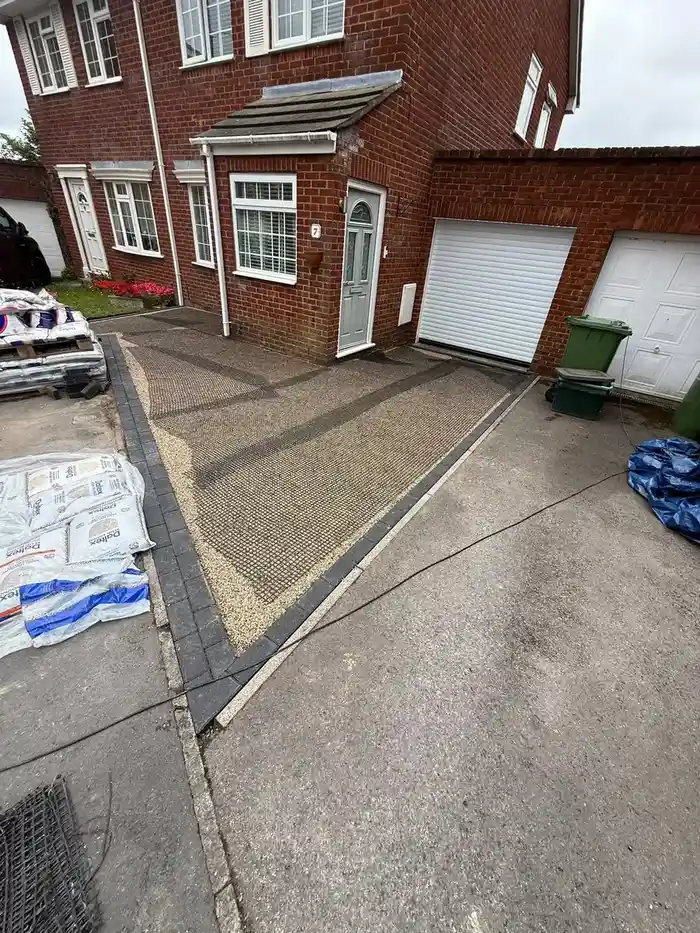
That is the whole point. Lay resin over a sound, well-drained, properly compacted base and it lasts decades. Lay the identical resin over a shallow, poorly compacted or wrong-material base and it cracks, sinks or puddles - and no quality of resin on top will save it. When we get called to look at a failed resin driveway, the fault is almost always in the base, not the surface.
This is exactly why the cheapest quote is so often the most expensive in the end. The savings on a low quote usually come from the sub-base, because it is the invisible part nobody inspects once the job is done. Skimp on depth, skip proper compaction, or use the wrong stone, and it looks identical on handover day. The difference only shows up two winters later.
The Layers, From The Ground Up
A full resin driveway installation is built in a sequence, and each layer does a job.
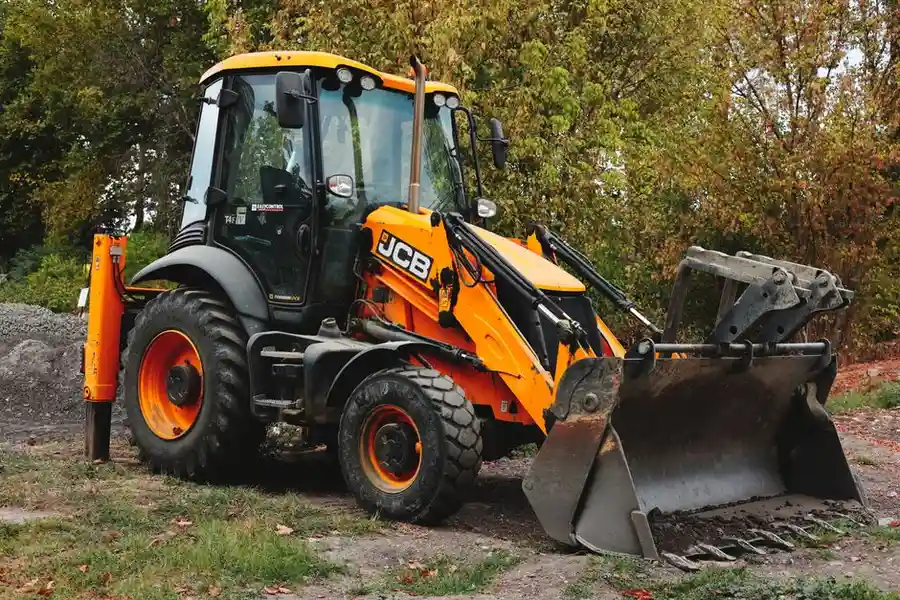
It starts with excavation. The existing surface and topsoil are dug out to the required depth - usually somewhere around 150-250mm for a domestic drive depending on ground and loading - down to a firm formation. Get this depth wrong and everything above it is compromised. Soft spots are dug out further and dealt with rather than built over.
Next comes the sub-base itself: a layer of compacted crushed stone that carries the load and, on a permeable build, lets water through. Above that, a binder or base course is laid to give a smooth, stable bed for the resin. Finally the resin bound surface - aggregate and UV-stable resin, forced-action mixed and hand-trowelled - goes on top at 15-18mm for a driveway. Edge restraints go in around the perimeter to contain the whole build-up. Each layer depends on the one below being right.
How Deep Should It Be?
There is no single magic number, and anyone who quotes one without seeing your site is guessing.
For a standard domestic driveway on reasonable ground, the sub-base is typically 100-150mm of compacted stone. But that flexes with conditions. Soft, wet or poor-draining ground needs a deeper build-up to reach stable material and to hold water in a permeable design. Firm, free-draining ground may need less. A driveway that will carry a heavy vehicle - a big 4x4, a motorhome - is built deeper than one for a small car. Commercial areas deeper again.
The depth is specified to the actual ground and the actual use. That is the entire reason a proper installer digs a trial hole or assesses the ground on the site visit before pricing, rather than applying a one-size spec. On Bournemouth’s mix of grounds, that assessment genuinely changes the build - which brings us to the local picture.
The Right Stone: Permeable vs Impermeable
The material used for the sub-base is where one of the most common and costly mistakes happens.
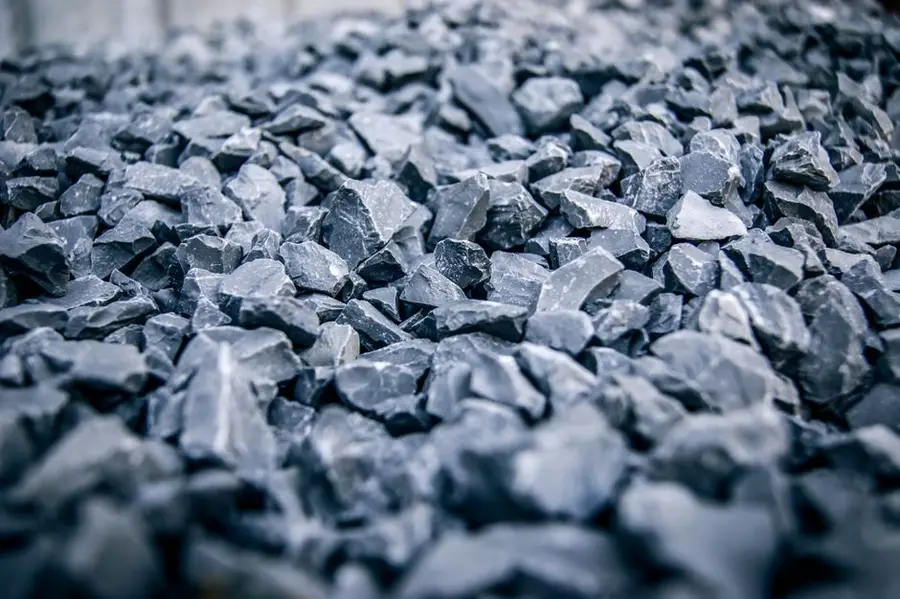
A permeable resin driveway needs an open-graded stone - something like MOT Type 3 or a clean 4/20mm aggregate - which leaves voids between the stones for water to drain through. The problem is that the default sub-base material for most driveways is MOT Type 1, which is designed to compact down almost solid for maximum strength. It is the right choice under an impermeable surface and the wrong choice under a permeable one.
Lay resin over a Type 1 base and you have built a permeable surface on top of an impermeable layer. Water passes through the resin, hits the solid base, and has nowhere to go - so it sits, finds the low point, and puddles or re-emerges at the edges. The whole permeability benefit of resin, including the planning-permission exemption, depends on the base being genuinely permeable. An installer who uses Type 1 out of habit has undone the main advantage of the surface. If you take one question to your quotes, make it this one: what sub-base stone are you using?
Compaction And Drainage
Getting the right stone to the right depth is only half of it. It has to be compacted properly, in layers.
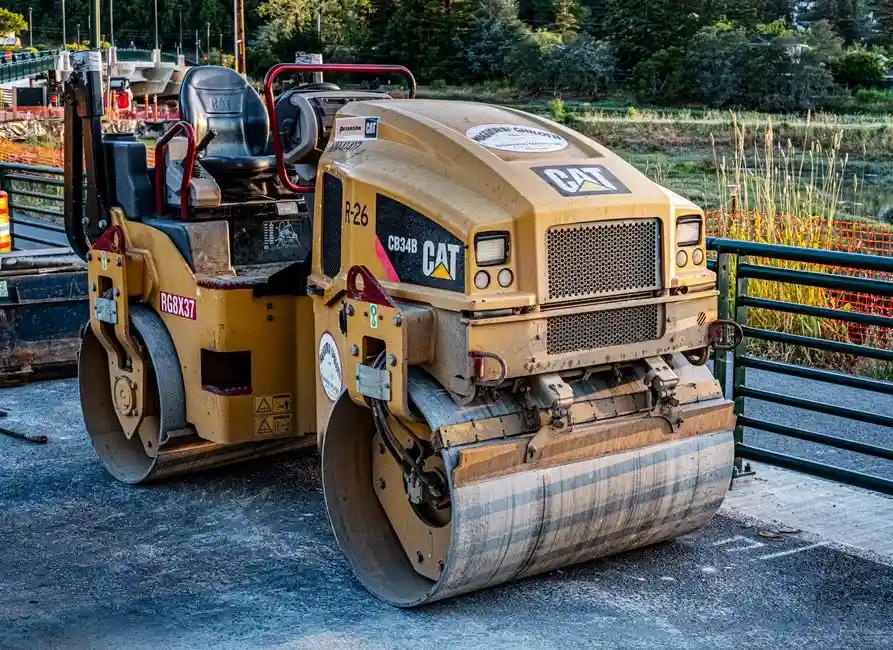
Loose stone settles under load. If a sub-base is tipped in and levelled but not compacted thoroughly - ideally in layers, with a plate compactor or roller - it consolidates unevenly once cars start using it, and the surface above dips and cracks. Proper compaction is time on the job, and time is exactly what a rushed, underpriced installation cuts. It is invisible in the finished drive and critical to how it performs.
Drainage is designed in alongside. On a permeable build the sub-base itself holds and releases water into the ground, but falls, edge details and sometimes a soakaway or channel are planned so water goes where it should. The government’s SuDS standards{target=“_blank” rel=“noopener noreferrer”} set out what a permeable construction should achieve - familiarity with them is a good sign in an installer.
Bournemouth Ground: Why Local Conditions Change The Build
This is where a local installer earns their keep, because the ground under Bournemouth is genuinely varied, and the sub-base has to answer to it.
Much of the area sits on sandy heathland - Ferndown, Verwood, Canford Heath, parts of Poole - which drains beautifully and compacts predictably. On these sites sub-base work is usually straightforward, and a standard permeable build performs well. But it is not the whole story. Parts of Wimborne, Ferndown’s fringes and the river valleys have shrink-swell clay that holds water and moves seasonally, which needs a deeper, better-drained build-up to stay stable. Around Christchurch, Wareham and the harbour edges, low-lying peaty and clay-rich ground near the Stour, Frome and Piddle can be soft and wet, sometimes needing deeper excavation to reach firm formation. Dorchester and the chalk downland drain freely again but can hide mixed hardcore under older surfaces.
The point is that the same driveway spec does not suit all of them. A base that is perfect on Ferndown sand would be underbuilt on Wareham clay. This is why we assess the ground on every site visit and specify the sub-base to what is actually there, rather than lifting a number off a chart. If you want a resin driveway built on a base that will actually last - and an honest look at what your ground needs - book a free site visit and we will check what is under your feet before we quote.
Frequently Asked Questions
What goes under a resin driveway?
Under the resin itself sits a sub-base - typically a compacted layer of open-graded crushed stone, often 100-150mm deep for a domestic driveway, laid over the excavated and prepared ground. On a new full installation the sequence is: excavate to depth, lay and compact a permeable sub-base, add a binder or base course, then trowel the resin bound surface on top. On an overlay, the resin goes over an existing sound base such as concrete or tarmac. The sub-base is the part that carries the load and provides drainage, so it matters more than the resin layer people actually see.
How deep is the sub-base for a resin driveway?
For a standard domestic resin driveway, the sub-base is usually 100-150mm of compacted stone, though this varies with ground conditions and use. Poor-draining or soft ground needs a deeper build-up to reach stable material, while firm, free-draining ground may need less. Driveways carrying heavier vehicles, and commercial areas, are built deeper again. There is no single correct depth - it is specified to the ground and the loading, which is why a site visit matters before any quote.
What material is used for a resin driveway sub-base?
A permeable resin driveway uses an open-graded crushed stone such as MOT Type 3 or a clean 4/20mm aggregate, which leaves voids for water to drain through. This is different from standard MOT Type 1, which is used under many driveways but compacts almost solid and is not permeable. Using Type 1 under a permeable resin surface is a common mistake - it creates a permeable top over an impermeable base, so water cannot drain away properly. The right base material is essential to a resin surface actually being permeable.
Why does the sub-base matter for a resin driveway?
Because the resin surface takes on the behaviour of whatever it sits on. Resin bound is slightly flexible but it is not structural - if the sub-base is too shallow, poorly compacted, or made of the wrong material, the surface will crack, sink or fail to drain no matter how good the resin is. Nearly every resin driveway that fails early failed because of the base, not the surface. Getting the sub-base right is the single most important part of the whole job, and it is the part you cannot see once it is finished.
Can you lay resin over an existing driveway base?
Yes, if the existing base is sound. Resin can be laid over concrete or tarmac that is structurally sound, level and draining adequately, after cleaning and priming - this is an overlay and it saves excavating a new sub-base. But if the existing base is cracked, moving, or holding water, it must be lifted and a new permeable sub-base installed, because the resin will reflect any faults beneath it. Whether your base is suitable can only be judged by inspecting it, which is part of the free site visit.