
15 July 2026
Best Time Of Year To Lay A Resin Driveway In Bournemouth
The question we get asked more than almost any other once someone has decided on resin is: when should we actually do it? People assume there is a narrow summer-only window and worry they have missed it, or that booking in autumn means waiting until next year. Neither is true. The answer is more forgiving than most expect, especially here on the south coast.
Bournemouth has one of the mildest, driest climates in the UK. That works in your favour. The real deciding factor is never the month on the calendar; it is the weather on the day the crew turns up. Here is how the seasons actually play out for a resin installation in this part of Dorset.
Why Weather Matters More Than The Month
Resin bound surfacing is laid wet and cures in place. For that cure to go right, two things have to hold: the base needs to be dry, and it needs to be warm enough. Get either wrong and the finish suffers.

That is the whole reason timing comes up at all. It is not that resin is fragile - a cured resin driveway shrugs off everything the British weather throws at it for two decades. It is that the few hours during and just after laying are sensitive. Rain on fresh resin can cause it to foam or cloud. Cold slows the cure to a crawl.
So when installers talk about the “best time of year,” what they really mean is the time of year when dry, mild days are most common and least likely to be interrupted. In Bournemouth, that window is wider than almost anywhere else in the country.
Spring And Summer: The Easy Window
April through September is the straightforward stretch. Longer days, warmer ground, and settled dry spells mean the crew can plan a job and get it done without watching the sky every hour.
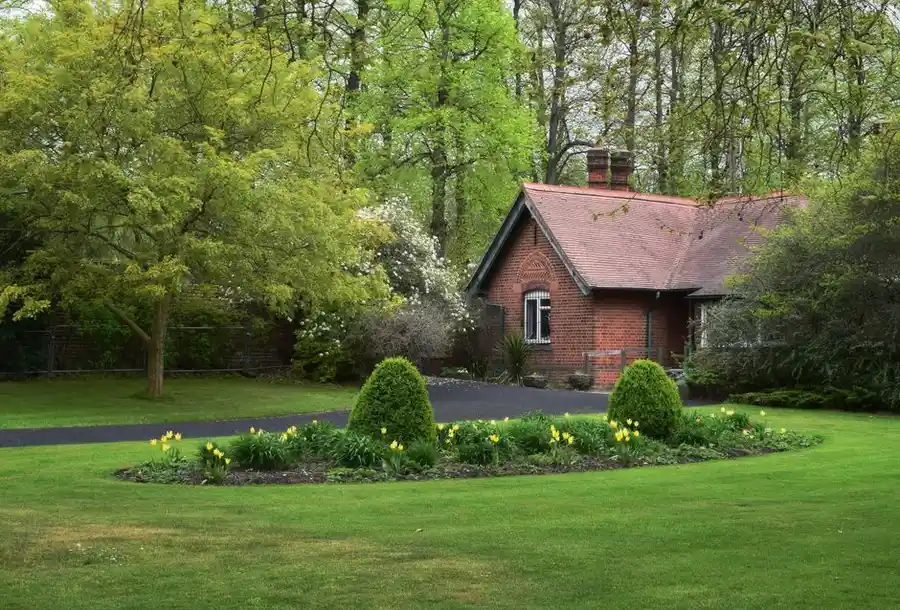
Warm conditions also cure the resin quickly - you might be walking on it the same evening and driving on it inside 24 hours. The trade-off, such as it is, comes in a genuine heatwave. When surface temperatures climb into the high 20s, the resin starts to go off faster than it can be trowelled, so the crew works in smaller batches and starts earlier in the day to beat the peak heat. On the hottest handful of days a Bournemouth summer throws up, an experienced team simply adjusts its hours rather than downing tools.
This is also the busiest booking period, for obvious reasons. If you want your driveway done in the summer, get the survey booked well ahead - the good installers fill their summer calendars early.
Autumn: Often The Sweet Spot
If we had to pick a favourite, autumn would be a strong contender. September and October on the south coast are frequently dry, the fierce summer heat has gone, and temperatures sit right in the ideal 10-20°C band where resin cures at a comfortable, controllable pace.

There is a practical bonus too. The summer rush has eased, so lead times shorten and you are more likely to get a slot that suits you. Getting the drive done before winter also means it is fully cured and ready to handle the wetter months from day one.
The watch-point is simply that autumn is when the weather starts to turn. A dry, warm early October is perfect; a wet, blustery late October means more juggling of the forecast. It stays workable well into the season here, but the window gets a little less predictable as the weeks go on.
Winter: Not Off The Table In Bournemouth
Here is where the south coast really separates itself from the rest of the UK. In much of the country, winter resin installations are a genuine problem - frozen ground and sub-5°C days shut the work down for weeks. Bournemouth rarely gets that.

The Bournemouth and Poole area records some of the mildest winters in the country, with hard frosts far less frequent than inland. That means winter dry spells are real installation opportunities. As long as the ground is not frozen, the base is dry, and the temperature is above roughly 5°C, a resin driveway can go down in December or January perfectly well.
The honest caveats are practical, not technical. Days are short, so a large drive might need two visits. Rain is more frequent, so the job is more likely to get pushed a day or two waiting for a dry slot. And curing takes longer in the cold, so you will wait nearer 48 hours before driving on it rather than 24. But the notion that you cannot lay resin in a Bournemouth winter is simply wrong. We do it most years.
The Rain Question
Rain, not cold, is the real enemy of a resin installation - and it is worth understanding why installers are so strict about it.

Resin bound has to be laid onto a dry base and left to cure without getting wet for several hours. Rain during laying, or too soon after, can make the resin foam, go cloudy, or cure unevenly, and there is no fixing that after the fact - it means lifting and redoing the affected area. No reputable installer will gamble on it.
That is why a good crew will call off a booking the day before if the forecast looks wrong, and it is not them being difficult. Bournemouth gets around 1,600 hours of sunshine a year, among the highest in the UK, but it still gets its share of Atlantic weather rolling through. An installer who reschedules around the rain is protecting your driveway. The Met Office south west forecast{target=“_blank” rel=“noopener noreferrer”} is the kind of thing we are checking obsessively in the days before a job.
So When Should You Book?
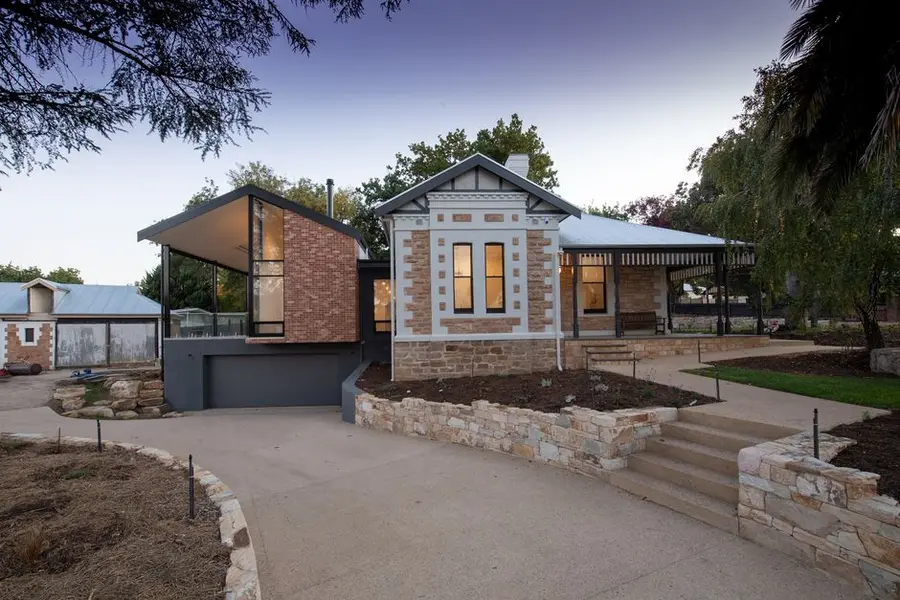
For the least fuss, aim for late spring to early autumn and book your site survey a good few weeks ahead, because that is peak season and the calendar fills. If you have missed that window, do not assume you are waiting until next year - autumn and mild winter dry spells are perfectly good here, and you will often get a quicker slot into the bargain.
The single biggest factor in how well your driveway turns out is not the month. It is choosing an installer who respects the weather and will wait for the right day rather than rushing a job to hit a date. Our guide to choosing a resin driveway installer in Bournemouth covers what else to look for. Whenever you are thinking of doing it, get in touch for a free site visit and we will find you a slot that works with both your plans and the forecast.
Frequently Asked Questions
What is the best time of year to install a resin driveway?
Late spring through early autumn - roughly April to October - is the ideal window for laying a resin driveway in Bournemouth, because dry conditions and temperatures above 5°C let the resin cure properly. That said, resin can be installed year-round on the south coast whenever there is a dry spell and the base is dry, so winter installations are perfectly possible in the milder Bournemouth climate. The weather on the day matters far more than the calendar month.
Can you lay a resin driveway in winter?
Yes, in Bournemouth's mild coastal climate you can lay resin in winter as long as the ground is not frozen, temperatures are above around 5°C, and the base is dry. The south coast rarely sees prolonged hard frost, so winter dry spells offer genuine installation windows. The main constraints are shorter working days and a higher chance of rain interrupting the job, not the cold itself. A good installer watches the forecast and books around dry days.
Does rain affect a resin driveway installation?
Yes, significantly. Resin bound surfacing must be laid onto a dry base in dry conditions - rain during or shortly after laying can cause the resin to foam, cloud, or fail to cure properly, ruining the finish. This is why installers will reschedule if rain is forecast rather than risk it. It is also why the drier months are more convenient: fewer weather delays, not because resin cannot be laid in winter.
What temperature does resin need to cure?
Resin bound surfacing generally needs the air and surface temperature to be above about 5°C to cure correctly, with the ideal range being 10-20°C. Below 5°C the resin cures too slowly and the finish can suffer; in very hot conditions above the mid-20s it cures too fast to trowel properly. Bournemouth's temperate coastal climate sits comfortably in the workable range for most of the year, which is one reason the installation season here is longer than in colder parts of the UK.
How long does a resin driveway take to cure before you can use it?
Once laid, a resin driveway is typically ready for foot traffic after around 4-6 hours and for vehicles after 24-48 hours, depending on temperature. Curing is faster in warm weather and slower in the cold, so a winter installation may need the longer end of that window before you drive on it. Your installer will give you exact times based on the conditions on the day.