
22 July 2026
How To Clean A Resin Driveway (And What Not To Do)
One of the big selling points of a resin driveway is how little upkeep it needs, and that is genuinely true - it is one of the lowest-maintenance surfaces you can lay. But “low maintenance” is not “no maintenance,” and a few minutes of the right cleaning keeps a resin drive looking as good as the day it went down. Do it wrong, though, and you can actually damage the surface.
So here is exactly how to clean a resin driveway, what to reach for, and the handful of things to avoid - with the Bournemouth climate in mind, because the coast throws up a couple of specific challenges.
The Basics: Sweep And Rinse
Most of the time, cleaning a resin driveway is genuinely just sweeping and rinsing, and that is the whole appeal.
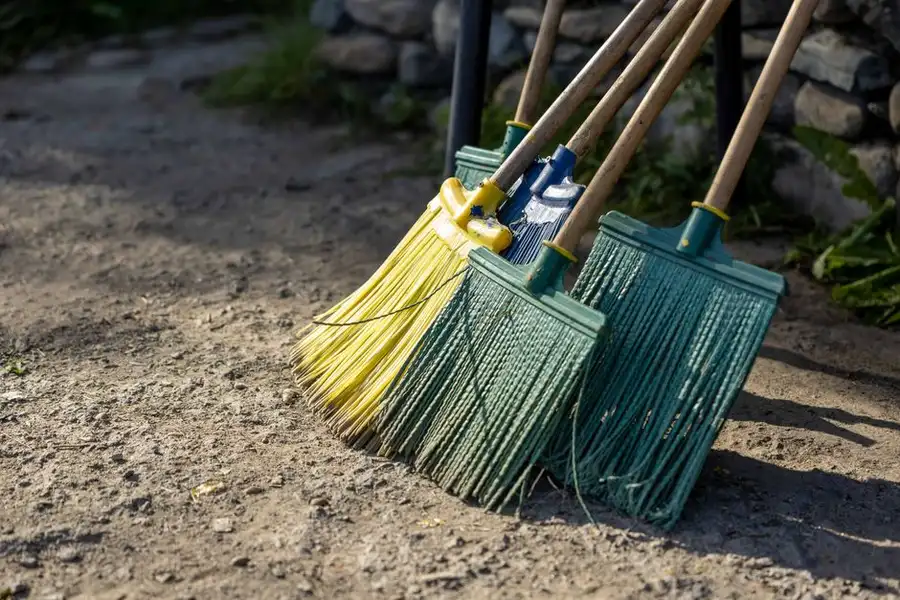
A stiff-bristled broom - not a wire one - shifts leaves, dust and general debris. Follow it with a rinse from a garden hose to wash off the finer dirt that settles into the texture. Doing this every few weeks stops grime building up and keeps the aggregate colour looking fresh.
Twice a year, give it a more thorough wash. This is enough to keep a resin bound surface looking new, and it is a fraction of the effort block paving or gravel demands. There is no re-sanding, no re-pointing, no raking - the sealed, joint-free surface simply does not collect the same problems. Our broader resin driveway maintenance guide covers the full year-round routine; this post focuses on the cleaning itself.
Can You Jet Wash A Resin Driveway?
Yes - and it is the quickest way to deep-clean one - but technique matters, because this is where people do the most damage.
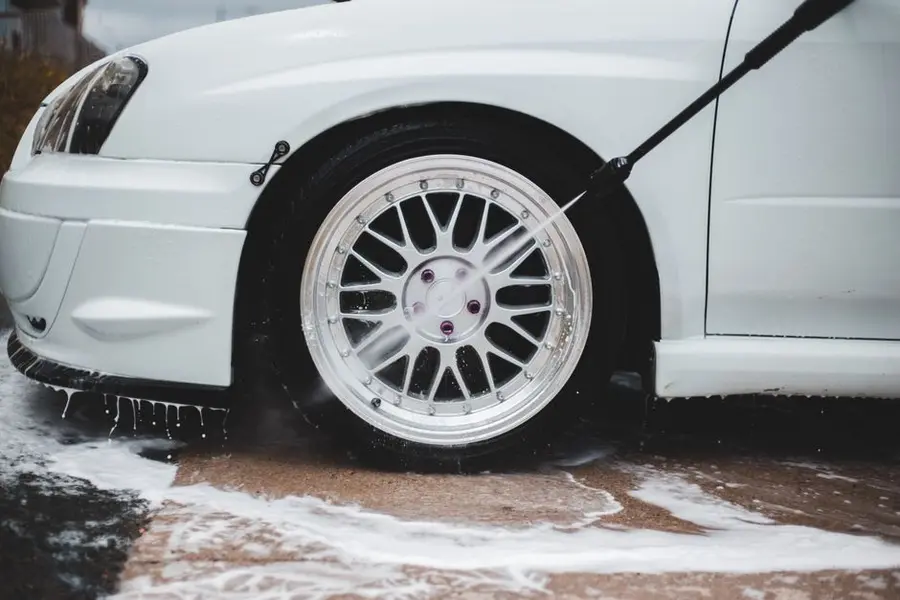
The rules are simple. Keep the pressure moderate, ideally under 150 bar. Use a fan or spread nozzle, never a narrow pinpoint jet. And hold the lance at least 30cm from the surface, moving it steadily rather than lingering in one spot. Done this way, a pressure washer lifts embedded dirt, moss and grime brilliantly and leaves the surface looking refreshed.
What causes damage is a pinpoint jet held close to the surface. That concentrated pressure can dislodge aggregate from the resin, leaving bald patches - and once stone is knocked loose, it does not go back. If in doubt, keep the pressure lower and the distance greater; you can always go over an area again. A sensible jet wash once or twice a year is fine and does no harm.
Removing Weeds, Moss And Algae
This is where a resin driveway shows its advantage over other surfaces, particularly in Bournemouth’s damp coastal air.
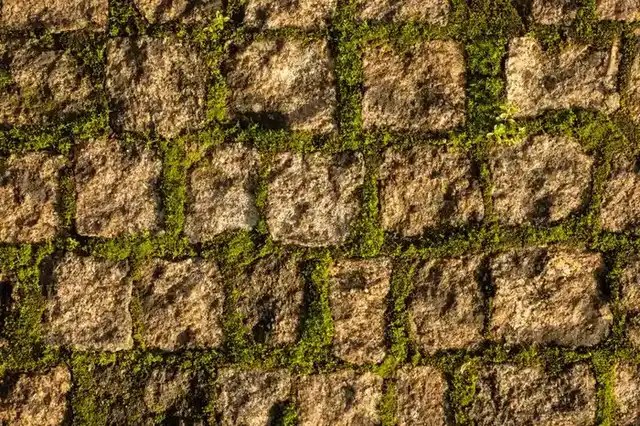
Weeds cannot root in a properly installed resin surface - it is sealed and has no joints for them to establish in. Any greenery you see is windblown seed sitting on top, not growing through, so it lifts off with a stiff brush and a rinse. For anything stubborn, a diluted weedkiller or a white vinegar solution clears it. Compare that to gravel or block paving, where weeds colonise the loose stone and joints and become a recurring chore.
Moss and algae are the more likely nuisance here. The south coast’s damp winters and shaded, north-facing sections of driveway can grow a green film, the same way they do on any surface. A pressure wash shifts it, and a resin-safe fungicidal wash keeps it from coming back through the wetter months. Because the surface is permeable and dries faster than flat slabs, it holds less of the standing moisture that moss thrives on in the first place.
Oil, Fuel And Stain Removal
Spills are the one thing worth acting on quickly rather than leaving for the twice-a-year clean.
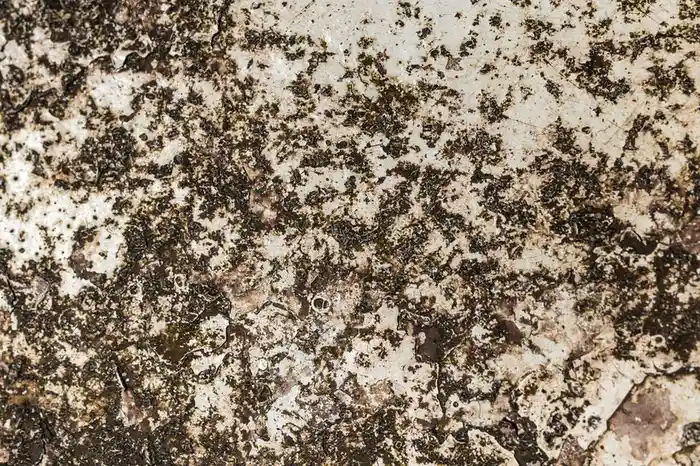
For fresh oil or fuel, blot up the excess first, then treat the area with washing-up liquid or a degreaser in warm water, working it in with a soft brush and rinsing thoroughly. Because the resin surface is sealed, prompt action usually lifts the spill before it penetrates - a real advantage over porous tarmac or concrete, where oil soaks straight in and stains for good.
For older, set-in marks, a dedicated resin-safe degreaser does a better job than household products. The one thing to avoid is reaching for harsh solvents like petrol or strong thinners to shift a stain - they can attack the resin binder itself and do more damage than the stain. Mild and repeated beats harsh and one-off.
Leaves And Seasonal Cleaning
Bournemouth’s tree-lined streets and mild autumns mean leaves are the seasonal job worth staying on top of.

Fallen leaves left to sit and rot on any surface leave tannin marks and create the damp, organic film that moss loves - and the leafy roads around Talbot Woods, Meyrick Park and the older suburbs drop plenty of them. Sweeping leaves off through October and November, rather than letting them mulch down over winter, prevents staining and keeps moss from getting a foothold before spring.
Winter brings the one genuine watch-point on the coast: deicing. Avoid rock salt on a resin driveway, as it can affect the surface over time. If you need grip in a cold snap, use grit or sharp sand instead, and sweep it up afterwards. Hard frosts are rare enough in Bournemouth that this is an occasional issue rather than a regular one, but it is worth knowing before you reach for the salt bag.
What Not To Do

Most of the damage we get asked to look at came from cleaning, not wear. So the short list of things to avoid is worth spelling out.
Do not use a pinpoint pressure-washer jet close to the surface - it dislodges aggregate. Do not use a wire or metal-bristled brush, which scratches and loosens stone; a stiff synthetic broom is what you want. Do not use harsh solvents or strong acids to shift stains, as they can attack the resin. And do not use rock salt for winter grip.
Stick to a stiff broom, a fan-nozzle pressure washer at sensible pressure and distance, and mild cleaning products, and a resin driveway stays looking new for 20 years with almost no effort. If your surface has lost aggregate or been damaged by past cleaning and you want it assessed, get in touch and we will take a look.
Frequently Asked Questions
How do you clean a resin driveway?
For day-to-day cleaning, sweep the surface with a stiff broom and rinse it with a hose or a low-pressure wash to shift dust and debris. A couple of times a year, a more thorough wash keeps it looking new. For specific problems - oil, moss or weeds - treat the affected area directly rather than scrubbing the whole surface. Resin bound surfacing is one of the lowest-maintenance driveway finishes, so most of the time a sweep and rinse is all it needs.
Can you jet wash a resin driveway?
Yes, but carefully. A resin driveway can be jet washed, and doing so is an effective way to clean it, but you must keep the pressure moderate (ideally under 150 bar), hold the lance at least 30cm from the surface, and use a fan nozzle rather than a narrow pinpoint jet. A pinpoint jet held too close can dislodge aggregate and damage the surface. Used sensibly, a pressure washer is fine and is the quickest way to deep-clean a resin drive.
How do you get weeds off a resin driveway?
Weeds cannot root within a properly installed resin surface because it is sealed and has no joints, so any growth is from windblown seed sitting on top rather than coming through. It wipes off easily with a stiff brush, a rinse, or a diluted weedkiller or white vinegar solution for anything stubborn. This is far less of a job than weeding block paving or gravel, where weeds establish in the joints and loose stone.
How do you remove oil stains from a resin driveway?
Deal with oil and fuel spills quickly - blot up the excess, then treat the area with a degreaser or washing-up liquid and warm water, working it in with a soft brush and rinsing. For older or set-in stains, a dedicated resin-safe degreaser works better. Avoid harsh solvents, which can affect the resin. Because the surface is sealed, prompt treatment usually lifts oil before it penetrates, unlike porous concrete or tarmac where it soaks in.
What should you not do when cleaning a resin driveway?
Do not use a pinpoint pressure-washer jet held close to the surface, do not use harsh chemical solvents or strong acids, and do not use a metal-bristled brush that can scratch or dislodge aggregate. Avoid deicing salt in winter, which can affect the surface over time - use grit or sand instead. Stick to a stiff (not wire) broom, a fan-nozzle pressure washer at moderate pressure, and mild cleaning products, and the surface will stay looking new for years.