
14 August 2026
How To Prepare For Your Resin Driveway Installation
Booking a resin driveway is the easy part. A bit of preparation beforehand makes the job run smoothly, keeps it on schedule, and saves the kind of last-minute scramble that holds a crew up - usually over something as simple as where to park the car. None of it is complicated, but it is worth doing before the installers turn up rather than on the morning they do.
Here is a straightforward checklist for getting ready for a resin driveway installation in Bournemouth, and what to expect once it is underway.
Why A Little Preparation Helps
A resin driveway is a quick job by driveway standards - most take two to three days - but that speed depends on the crew being able to get straight to work when they arrive.
If the drive is still full of cars, bins and pots, or the access is blocked, the first hour of the job is spent sorting that out instead of digging. On a tight two-day schedule, that lost time matters, and it can push the resin laying - which has to happen in a dry weather window - into a less ideal slot. A resin driveway job that starts clean and on time is a job that finishes on time.
The preparation is mostly common sense, but it is easy to leave until the last minute and then find the car is boxed in or the side gate is locked. Ten minutes of planning saves that.
Clear The Driveway Completely
This is the big one, and it means completely - not “mostly.”

Everything comes off: cars, motorbikes, bins, recycling boxes, plant pots, bikes, the trailer, the kids’ scooters, anything stored down the side. The crew needs the full area clear to excavate, prepare the base and lay the surface, and anything left on it is something they have to work around or move for you. Pots and planters that live on the drive need a new home for a few days.
If there are things you cannot easily move - a heavy planter, a shed, a fixed store - flag them to the installer before the day so they can plan around them. But the general rule is simple: if it is on the driveway and it is not nailed down, it needs to be off before the crew arrives.
Sort Out Parking And Access
You will not be able to park on your driveway during the job or while the surface cures, so the car needs somewhere else to go.
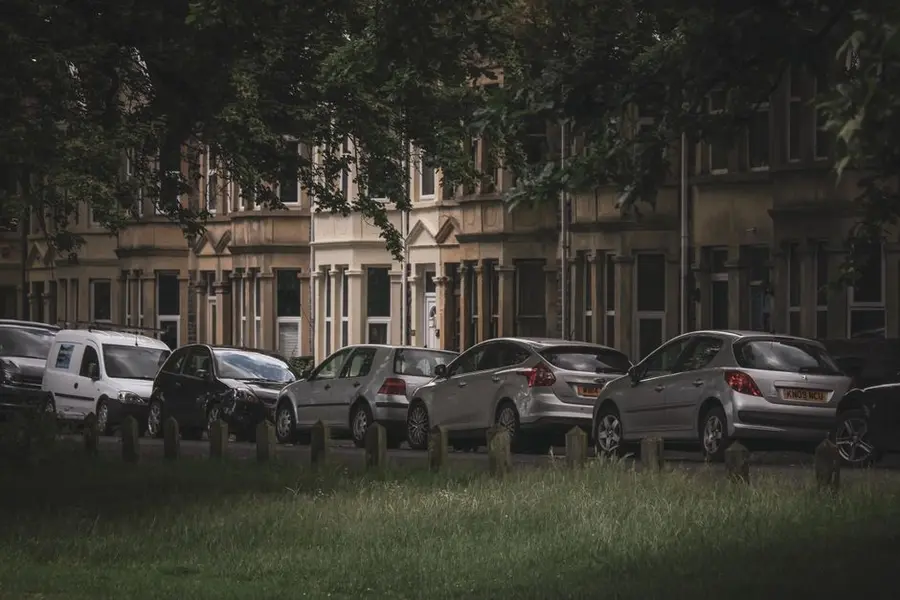
For a full installation, that is two to three days of works plus curing time - so plan for the car to be off the drive for the best part of a week. On the older terraced streets around Winton, Boscombe and Springbourne, where on-street parking is tight, this is worth sorting in advance rather than hoping for a space on the day. A neighbour’s driveway, a permit bay, or a nearby car park are the usual answers. If you have a caravan or a work van as well, they need somewhere too.
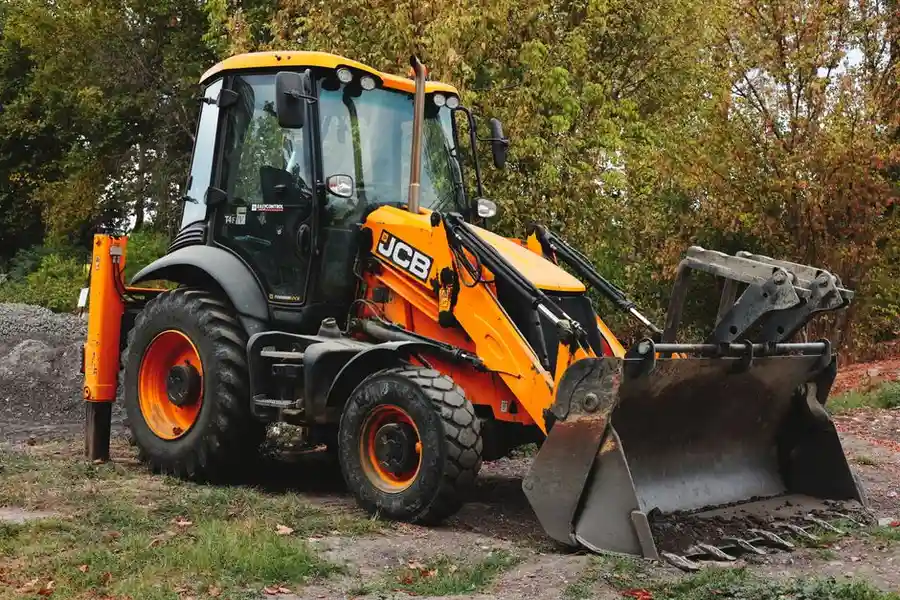
Access is the other half of this. The crew usually needs to get a small digger and a mixer near the working area, plus deliveries of stone and resin. Make sure the route to the drive is clear, and if access runs through a side gate, leave it unlocked or hand over a key. On restricted sites where the mixer cannot get close, the job takes longer, so it helps to mention any access issues at the survey.
Sequence Any Other Work First
If your resin driveway is part of a bigger project, the order of the work matters, because nobody wants to dig up a brand-new surface.
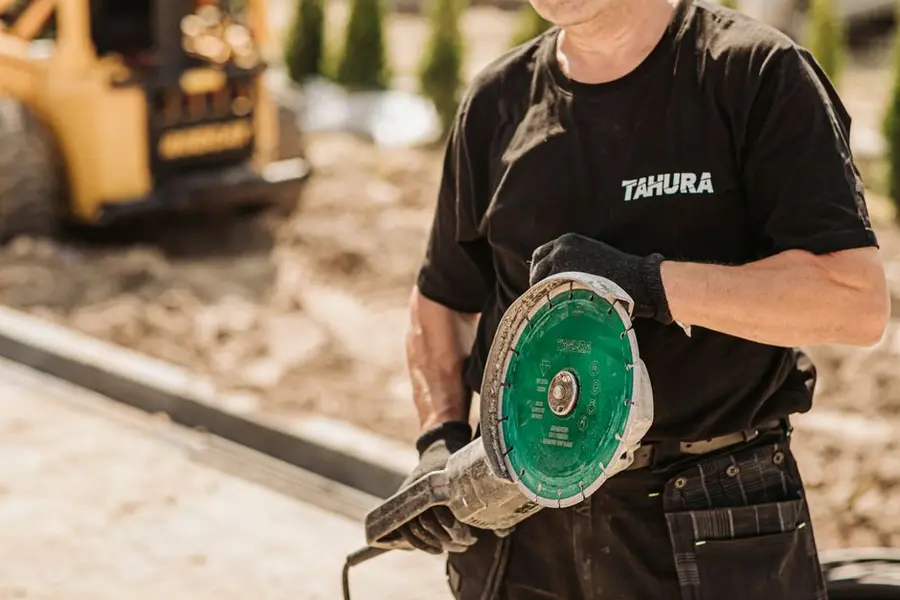
Anything that disturbs the ground should happen before the resin goes down: a new boundary wall, drainage or a soakaway, a dropped kerb, re-pointing, or landscaping around the edges. The resin is the finishing layer, so it should be laid last, onto a base that is not going to be dug up or built on afterwards. Lay it too early and you either damage it or end up cutting into it.
A good installer will talk this through at the survey and help you get the sequence right, coordinating with any other trades so the timing works. If you are having a dropped kerb done, remember that goes through the council and takes several weeks, so it needs starting early - the crossover and the driveway have to meet, and the driveway can only be finished once the crossover is in.
Pets, Children And The Days Themselves
A live installation site is no place for pets or young children, so it is worth planning around them for the couple of days involved.
There is machinery, wet resin, and materials being moved about, and freshly laid resin needs to be left alone to cure - a dog walking across it or a football landing on it in the first few hours leaves a mark that does not come out. Keeping pets indoors or in a separate part of the garden, and children away from the working area, keeps everyone safe and protects the finish. If your only route to the back garden runs across the drive, mention it to the crew so they can work out access with you.
It is a short disruption. Two or three days of a working site, and then a surface that needs nothing from you for twenty years.
On The Day: What To Expect
Knowing roughly how the job runs takes the mystery out of it.
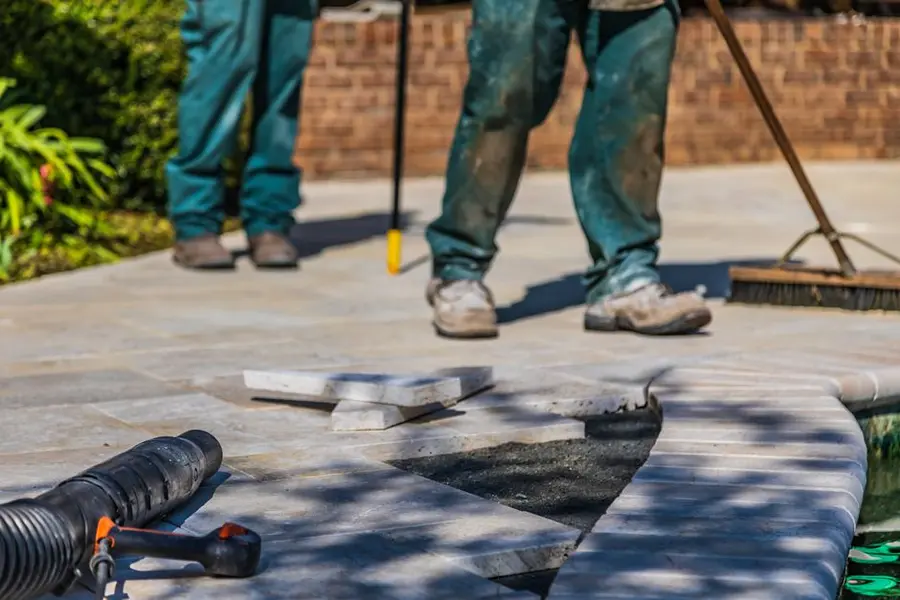
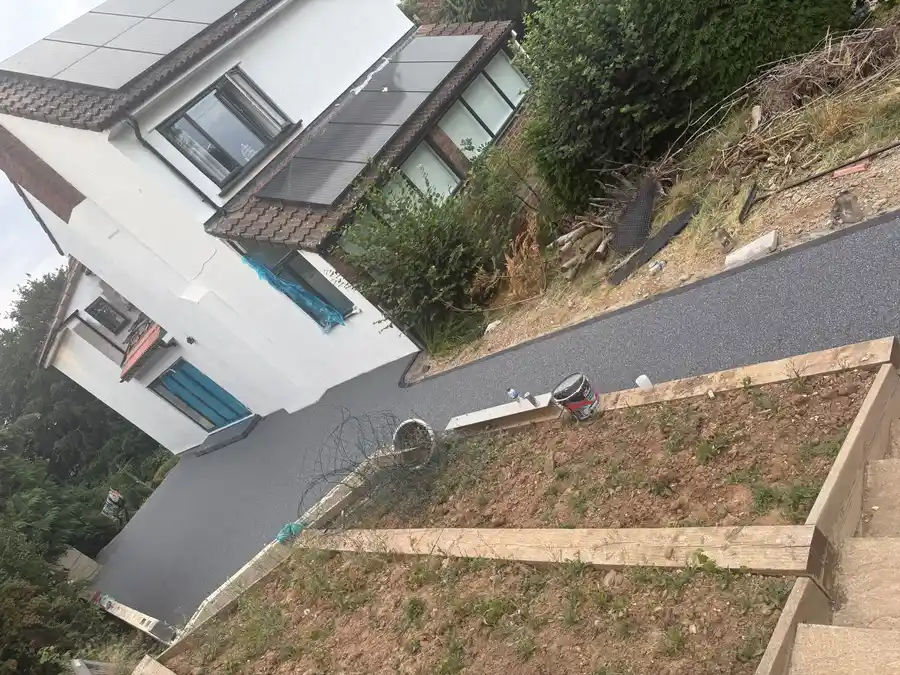
On a full installation, the first day or so is groundwork - lifting the old surface, excavating, and laying and compacting the permeable sub-base. It is the noisy, messy part, and it is the part that decides how long the driveway lasts, so it is not rushed. Once the base is ready, the resin itself goes down in a single session: the aggregate and resin are mixed on site and hand-trowelled to a smooth finish, usually in a few hours. Then it is left to cure. Our post on how long a resin driveway takes to install breaks the timeline down in full.
After laying, keep off it. Foot traffic is usually fine after four to six hours, vehicles after 24 to 48 hours depending on the weather, and heavy loads a little longer. Your installer will give you the exact times before they leave. Once it has cured, the only preparation left is enjoying not thinking about your driveway again for two decades. If you are booking a resin driveway and want to know exactly what to expect for your property, get in touch and we will talk you through it.
Frequently Asked Questions
How do I prepare for a resin driveway installation?
The main things are to clear the driveway completely - move all vehicles, bins, pots and anything stored on it - and arrange alternative parking for the two to three days of the job. Make sure there is access for a small digger and materials if the quote assumes it, and sequence any other work such as a new wall, drainage or a dropped kerb before the resin goes down, not after. Keep pets and children away from the working area, and confirm the timings with your installer. Most of the preparation is simply clearing space and planning parking.
Do I need to move my car during a resin driveway installation?
Yes. The driveway needs to be completely clear for the whole job, and you will not be able to park on it while the base is being prepared or while the resin cures. For a full installation that means arranging alternative parking for two to three days, plus the curing time before you can drive on the finished surface - usually 24 to 48 hours after laying. On-street parking, a neighbour's drive or a nearby car park are the usual options. It is worth sorting this out before the crew arrives.
How long will I be without my driveway?
For a full resin driveway installation, expect the driveway to be out of use for the two to three days of the works plus the curing time afterwards - so roughly three to five days in total before you can park on it again. An overlay onto a sound existing base is quicker, often a day of work plus curing. Your installer will give you exact timings based on your driveway and the weather. Planning parking around this window is the single most useful bit of preparation.
What should I do before the installers arrive?
Clear everything off the driveway - cars, bins, plant pots, bikes, anything stored on it. Make sure there is clear access to the drive for a digger and materials, and unlock any side gates if access runs through them. Move anything fragile away from the working area, and let the installer know about anything they need to be aware of, such as a manhole, a soakaway, or where services run. If other trades are involved, agree the order of work in advance so the resin is not laid before groundwork that should come first.
Can other work be done at the same time as a resin driveway?
Yes, but the order matters. Any groundwork that disturbs the ground - a new boundary wall, drainage, a dropped kerb, or landscaping - should be done before the resin is laid, so a finished surface is not dug up afterwards. It is worth coordinating the trades and the sequence in advance. A good installer will talk this through at the survey and factor the timing in, so the resin goes down last, onto a base that is not going to be disturbed.