
14 July 2026
Resin Bound vs Resin Bonded: What's The Difference?
Here is a distinction that trips up almost everyone pricing a new driveway: resin bound and resin bonded are not the same surface. The names are nearly identical, the marketing photos often look alike, and plenty of installers use the terms loosely. But they are built differently, they behave differently in the rain, and only one of them dodges the planning permission problem that catches out so many Bournemouth front gardens.
Get the two mixed up and you can end up with a surface you did not want, or a planning headache you did not expect. Ten minutes now saves that.
What Resin Bound Surfacing Actually Is
Resin bound is the one most people are picturing when they say “resin driveway.” The stone and the resin are mixed together first, in a forced-action mixer, so every piece of aggregate gets fully coated. That blend is then trowelled onto the prepared base by hand and smoothed flat while it cures.
The result is a smooth, seamless surface with tiny gaps between the coated stones. Those gaps are the important bit - water drains straight through them, into the permeable sub-base below and away into the ground. That makes resin bound a permeable surface, which matters a great deal for planning permission, as we will get to.
It also means no loose stone. Every piece is locked into the resin, so there is nothing to kick up, track into the house, or wash into the flowerbeds. Smooth underfoot, wheelchair and pram friendly, and it stays looking the way it did on day one for years.
What Resin Bonded Surfacing Is
Resin bonded works the other way round. The base gets coated in a layer of resin, and then dry stone is scattered - broadcast - over the top while the resin is still wet. The stone sticks to the resin coat, but it is not mixed into it.
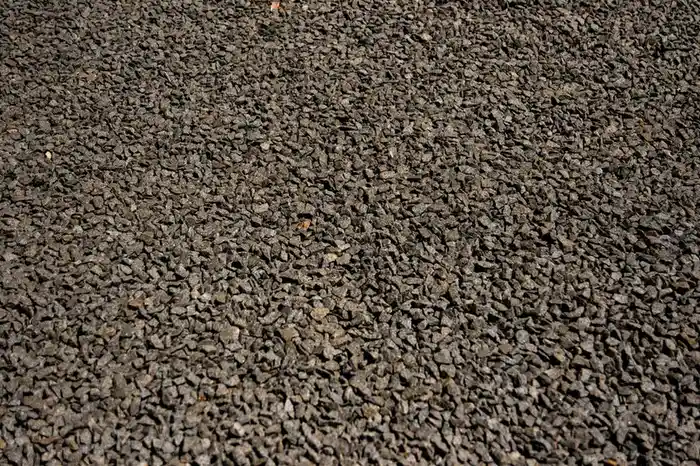
That gives a rougher, textured finish - closer to loose gravel to look at, but fixed in place. It has more grip than a smooth surface, which is genuinely useful on a steep slope or a ramp where you want extra traction.
The catch is in how it is made. Because the stone sits on top of a solid resin layer rather than being mixed through a permeable one, resin bonded is impermeable. Water cannot drain through it - it runs off across the surface. And because not every scattered stone bonds perfectly, a resin bonded surface always sheds some loose stone over its life, particularly where tyres turn and after a hard frost.
The Differences That Actually Matter Day To Day
Strip away the technical description and a few practical differences decide which surface suits a driveway.

Drainage is the big one. Resin bound lets water soak through; resin bonded makes it run off. On a flat Bournemouth driveway that slopes gently toward the house or the pavement, an impermeable surface can send water pooling against the wall or out onto the footpath. A permeable one just takes it away underneath. After the kind of heavy showers that roll in off the Channel, that is the difference between a dry drive and a puddle by the garage door.
Loose stone is the other one people feel every day. Resin bound stays put. Resin bonded scatters, and that stone ends up in your hallway, on the lawn, and swept into a pile by the front step every few weeks. It is not a dealbreaker for everyone, but it is the single most common complaint we hear from people who inherited a resin bonded drive and did not realise what they were getting.
Grip runs the other way. The textured bonded finish has the edge on a steep incline. On a flat or gently sloping drive, which is most of them, the smooth bound surface has plenty of grip anyway and the difference does not come into play.
Planning Permission: The One That Catches People Out
This is where the choice stops being about looks and starts being about paperwork.
Since 2008, laying an impermeable surface over 5 square metres in a front garden requires planning permission, unless you direct the runoff to a permeable area within your own boundary. The rule exists to reduce surface water flooding, and it is set out in the government’s guidance on permeable surfacing of front gardens{target=“_blank” rel=“noopener noreferrer”}.
Resin bound is permeable, so it falls outside that requirement - you can surface a front driveway of any size without a planning application. Resin bonded is impermeable, so a front driveway over 5m² either needs planning permission or needs a drainage solution designed in to handle the runoff. Most front driveways are comfortably over 5m².
For the vast majority of homeowners, avoiding a planning application is reason enough on its own to choose resin bound. Our guide to driveway planning permission in Bournemouth goes into the detail, including how BCP Council treats conservation areas and listed buildings.
Cost Compared
Resin bonded is usually the cheaper of the two per square metre, because the installation is faster and uses less resin overall. But the gap is narrower than people assume.

In practice the difference tends to be around 10-15%, not the big saving some expect. And when you set that saving against what you give up - permeability, a stone-free finish, the planning exemption - it starts to look like a false economy for a domestic front drive.
Where resin bonded genuinely earns its lower price is on the jobs it actually suits: a steep ramp needing grip, a commercial area where the textured look is fine, or a spot where the extra traction matters more than drainage. For a normal Bournemouth driveway, the small saving rarely justifies the trade-offs. Our full resin driveway cost guide breaks down what bound surfacing costs across the area by size and ground condition.
Which One Suits A Bournemouth Driveway
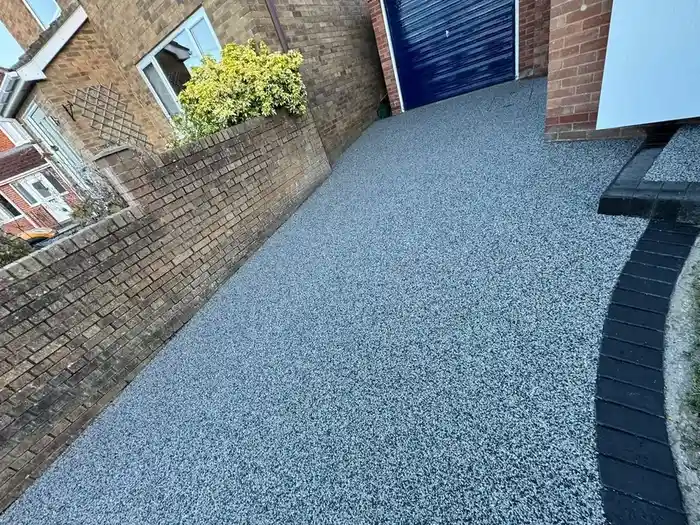
For most driveways across Bournemouth, Poole and the surrounding towns, resin bound is the answer, and it is not particularly close. It drains, which matters on the flat coastal plots where water has nowhere else to go. It sidesteps planning permission, which matters everywhere. It sheds no stone, and it holds its finish through the high-UV south coast summers better than a scattered-stone surface does.
Resin bonded is not a bad product - it is just a specialist one. If you have a steep driveway or a ramp where grip is the priority, or a section where the rougher texture actually suits the setting, it is worth considering. On those jobs the traction is a real advantage.
The honest way to decide is to have someone look at the actual site - the slope, how it drains now, what is under the existing surface - and tell you which system fits, rather than defaulting to whichever one they install most. If you want that conversation, get in touch for a free site visit and we will give you a straight recommendation for your driveway, not a sales pitch for one product.
Frequently Asked Questions
What is the difference between resin bound and resin bonded?
Resin bound surfacing mixes the aggregate and resin together, then trowels the blend onto the base to give a smooth, permeable finish that water drains through. Resin bonded surfacing coats the base in resin and scatters loose stone on top, giving a rougher, textured finish that water runs off rather than through. Bound is smooth and permeable; bonded is textured and impermeable. Most domestic driveways people picture when they think 'resin driveway' are resin bound.
Is resin bound or resin bonded better for a driveway?
For most Bournemouth driveways, resin bound is the better choice. It is permeable, so it does not require planning permission the way an impermeable surface does over 5m² in a front garden, it drains rather than puddling, and it has no loose stone to scatter. Resin bonded has its place - it gives extra grip on steep slopes and is cheaper - but the loose-stone finish and lack of permeability make it less suited to most flat residential driveways.
Does resin bonded need planning permission?
Potentially yes. Resin bonded is an impermeable surface - water runs off it rather than draining through. Under current planning rules, an impermeable surface over 5 square metres in a front garden requires planning permission unless the runoff is directed to a permeable area within the property. Resin bound is permeable and exempt from this. If avoiding a planning application matters to you, resin bound is the safer route.
Is resin bonded cheaper than resin bound?
Usually a little cheaper per square metre, yes, because the installation is faster and uses less resin. But the saving is smaller than people expect - often only 10-15% - and it comes with the trade-offs of loose stone, a rougher finish, and no permeability. For most homeowners the modest saving does not outweigh what you give up, which is why resin bound is the more common domestic choice.
Does resin bonded shed loose stones?
Yes, by design. Resin bonded scatters dry stone onto a resin-coated base, and not every stone bonds fully, so some always works loose over time - more so in trafficked areas and after frost. Resin bound encapsulates every stone in the resin mix, so once cured it does not shed stone. If loose gravel migrating into the house or the lawn would bother you, that alone points toward resin bound.