
15 July 2026
Resin Driveway vs Gravel: Which Is Better?
Gravel and resin get compared a lot, and it makes sense - they use the same raw material. Both are natural stone aggregate, so they give a similar look and the same warm, informal feel that a lot of people want at the front of a house. The difference is entirely in what happens to that stone. Gravel stays loose. Resin binds it solid. And that one difference changes almost everything about how the driveway behaves.
If you are weighing up the two for a Bournemouth property, here is an honest comparison across the things that actually matter once the drive is down and you are living with it.
The Core Difference: Loose vs Bound
Both surfaces start as the same decorative aggregate. With gravel, the stone is simply spread loose over a compacted base, sometimes over a membrane. With resin bound, that stone is mixed with a clear resin and trowelled down into a smooth, solid surface that water still drains through.
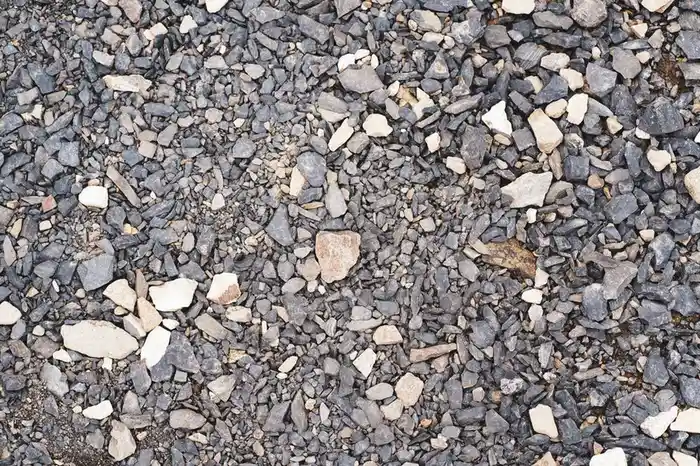
That is the whole story in one sentence. The cost, the maintenance, the weeds, the way it looks in year five - all of it comes back to whether the stone is held in place or free to move. Gravel’s loose finish is exactly what makes it cheap, and exactly what makes it high-maintenance. Resin’s bound finish is what makes it pricier upfront and almost maintenance-free afterwards.
Keep that trade-off in mind as we go through the specifics, because nearly every point below comes back to it.
Upfront Cost
Gravel wins on day-one price, and it is not close. A loose gravel driveway costs roughly £40-£70 per square metre installed, which makes it one of the cheapest ways to surface a drive. For a large area on a tight budget, that appeal is obvious.
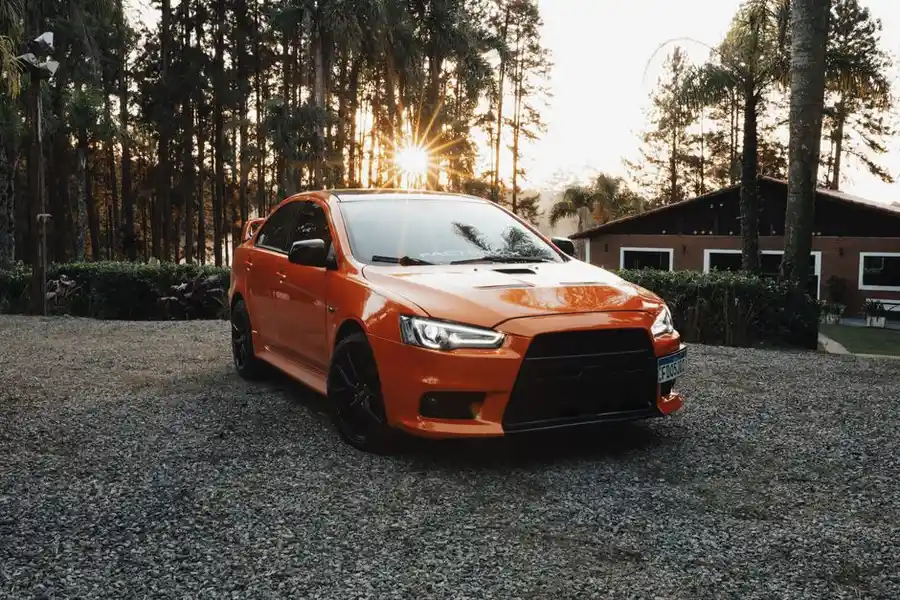
Resin bound runs higher - around £90-£250 per square metre depending on whether it goes over a sound existing base or needs a full new sub-base. On a typical driveway that is a real difference in the initial outlay, and if upfront cost is the only thing driving the decision, gravel is the cheaper ticket.
The catch is that day-one price is not the same as long-run cost. Gravel needs topping up as stone disappears into the lawn, the road and the bottom of everyone’s shoes. It needs raking level, weeding, and occasionally a full refresh when it gets rutted or muddy. Those costs are small each time but they never stop. Our resin driveway cost guide breaks the resin figures down further, but the short version is that the gap narrows a lot over 15-20 years.
Maintenance And The Weed Problem
This is where gravel loses most people. A loose stone surface is a permanent low-level chore.
Stone migrates - it gets kicked, driven, and dragged out of place, so the drive develops thin patches and ruts that need raking back and topping up. Windblown seeds settle in the gaps and germinate, so even with a weed membrane underneath you end up weeding or spraying, because soil and organic matter gradually build up on top of the membrane and give weeds somewhere to root. And loose gravel and cars are an awkward mix: tyres spin it, spread it, and fling the occasional stone at your paintwork.
Resin bound sidesteps all of it. There is no loose stone to scatter, so nothing migrates and nothing gets flung. The surface is sealed and seamless, so weeds have nowhere to take hold. Maintenance drops to an occasional sweep and the odd rinse - genuinely close to zero. If you have ever spent a Saturday raking a gravel drive back into shape, this is the difference that sells resin. Our maintenance guide covers just how little a resin surface actually needs.
Practical Use: Prams, Bikes, Heels And Wheelchairs
The loose surface that makes gravel cheap also makes it awkward to walk and wheel across.
Pushing a pram or a wheelchair through loose gravel is hard work - the wheels sink and drag. Bikes and mobility scooters struggle for the same reason. Heels dig in. Bins have to be dragged rather than rolled. None of it is a disaster, but it is a daily low-grade nuisance, and for anyone with mobility needs or young children it is a genuine drawback.
Resin bound is smooth and firm, so everything rolls. Prams, wheelchairs, bikes, bins and suitcases all move across it without effort, and it is comfortable underfoot in ordinary shoes. For a family home or an older couple planning to stay put, that everyday usability tends to matter more than the brochure looks.
Kerb Appeal And Looks
Both surfaces look good, and this one comes down to the style you are after.
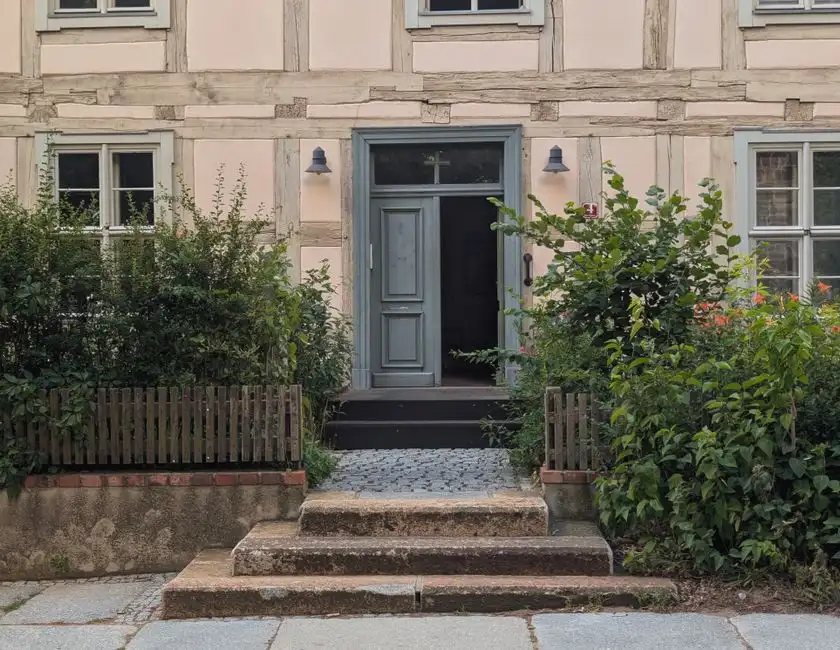
Gravel has a relaxed, rural, cottage-garden character that suits period properties and larger country-style plots. Freshly raked, it looks great. The problem is keeping it looking that way - within a few weeks of use it develops tracks, thin spots and scattered stone that read as untidy rather than charming.
Resin gives you the same natural aggregate colours in a crisp, contemporary finish that stays looking laid-on for years. It holds its appearance through the high-UV south coast summers and does not develop the lived-in scruffiness that loose gravel does. For a front driveway where kerb appeal matters - and around Bournemouth, where a tidy frontage genuinely helps at resale - resin generally photographs and ages better. If you like the loose look but not the upkeep, resin is essentially gravel that stays put.
Which Is Right For Your Bournemouth Driveway
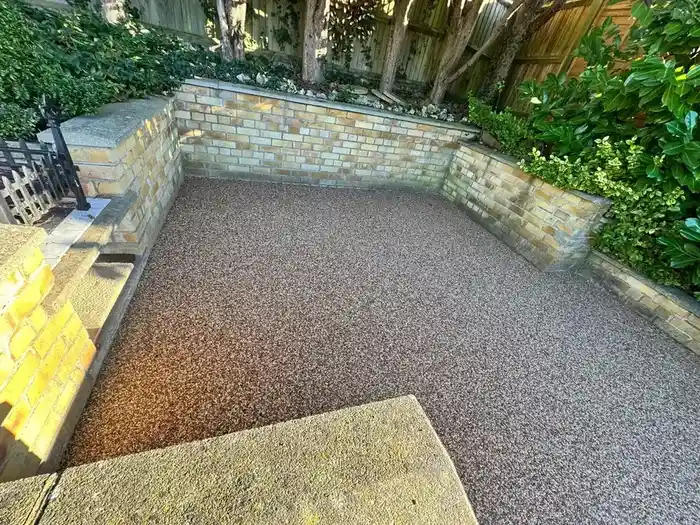
Gravel earns its place on large rural drives, budget-led projects, and spots where the loose, informal look is the whole point and the maintenance is not a bother. If you have a long country driveway and a rake you do not mind using, gravel is a reasonable, cheap choice.
For most suburban and town driveways across Bournemouth, Poole and the surrounding area, resin is the better all-round surface: the same stone look without the scattering, the weeding, the ruts or the topping up, and a finish that stays smart for two decades. It costs more upfront and pays that back in time not spent maintaining it.
The best way to decide is to have someone look at your actual site and talk through what you want from the drive. If you are torn between the two, book a free site visit and we will give you a straight recommendation for your property - including whether your existing base can be used to keep the resin cost down.
Frequently Asked Questions
Is resin better than gravel for a driveway?
For most Bournemouth driveways, resin is the better long-term choice. It gives the same natural stone look as gravel but bound into a smooth, solid surface - so there is no loose stone to scatter, no ruts forming under tyres, no weeds growing through, and no topping up every year. Gravel is cheaper upfront, which is its main appeal, but resin's lower maintenance and longer life usually make it better value over time. Gravel still suits large rural drives or budget-led projects where the loose finish is not a problem.
Is a resin driveway more expensive than gravel?
Yes, upfront. Loose gravel is one of the cheapest driveway surfaces at roughly £40-£70 per square metre installed, while resin bound runs £90-£250/m² depending on the base. But gravel needs topping up as stone scatters and migrates, plus regular raking and weeding, and it can need a full re-lay if it becomes rutted or contaminated. Over 15-20 years, resin's near-zero maintenance narrows the gap considerably.
Do gravel driveways have a weed problem?
Yes, weeds are one of the most common complaints about gravel. Windblown seeds settle in the loose stone and germinate, so gravel drives need regular weeding or weedkiller even with a membrane underneath, because organic matter builds up on top of the membrane over time. Resin bound has no loose stone and a sealed surface, so there is nowhere for weeds to root - it stays clear with just an occasional sweep.
Does a gravel driveway need planning permission?
Usually not - loose gravel is naturally permeable, so it is generally exempt from the planning rules that require permission for impermeable front garden surfaces over 5m². Resin bound is also permeable and equally exempt. So on the planning question the two are level: both let water drain through and neither normally needs an application. The difference is in everything else - maintenance, kerb appeal and how the surface behaves day to day.
Can you lay resin over an existing gravel driveway?
Not directly over loose gravel, no. The loose stone cannot provide the stable, bound base that resin needs. However, a well-compacted gravel or sub-base layer can often be used as part of the foundation - an installer will assess whether the existing stone can be compacted and built on, or whether a proper permeable sub-base needs laying first. A site visit is the only way to know for your specific driveway.