
4 July 2026
Resin Driveways vs Tarmac: Which Is Better For Bournemouth Properties?
Most Bournemouth homeowners considering a new driveway end up comparing resin and tarmac at some point. Tarmac is cheaper upfront and familiar. Resin costs more but looks considerably better and lasts longer. The choice is less obvious than the price difference might initially suggest.
What Each Surface Actually Is
Tarmac and resin are made from completely different materials and installed in completely different ways.
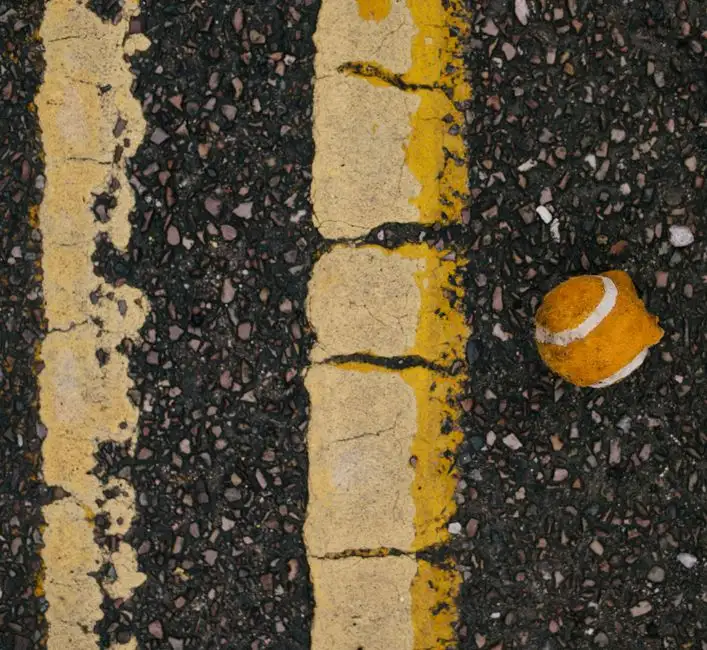
Tarmac is bitumen-bound aggregate - a hot-mix material that is machine-spread and roller-compacted. It sets quickly and produces a smooth, uniform dark surface. It is impermeable: water runs across the surface rather than through it. Over time, the bitumen binder oxidises and the surface becomes brittle. Edges chip, cracks form, and freeze-thaw cycles or root movement open those cracks further. Most tarmac driveways need patching within five to eight years and full resurfacing within fifteen.
Resin bound surfacing is natural stone aggregate fully encapsulated in a clear polyurethane resin binder, mixed and trowelled by hand in a timed window before the resin sets. The finished surface is porous: water drains through the aggregate layer and into the permeable sub-base below. It does not crack in the same way tarmac does because it has some flexibility, and it does not have the bitumen binder that oxidises and fails with age. A correctly installed resin surface should last 20-25 years.
Drainage And Planning Permission
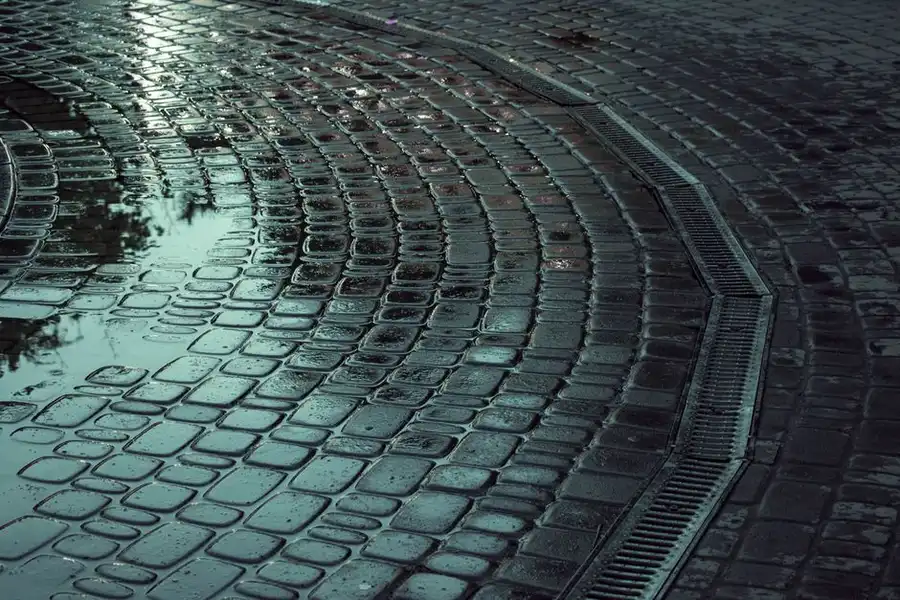
Tarmac is impermeable. Under current planning rules in England, any impermeable front garden surface over 5 square metres requires planning permission. Most residential driveways are well over 5m². This means relaying an existing tarmac driveway with new tarmac technically requires a planning application - something many homeowners are not aware of, and which some contractors do not mention.
Resin bound surfacing is classed as a permeable surface under the government’s guidance on permeable surfacing of front gardens{target=“_blank” rel=“noopener noreferrer”}. Water drains through it, so it is exempt from that requirement. A lot of people who ring us having planned to relay tarmac end up choosing resin partly for this reason - it is one fewer thing to deal with.
Permeability also matters day-to-day. Tarmac directs water to the road or into drains. Resin on a permeable sub-base lets it drain naturally into the ground - no standing water against the house wall, no puddle by the garage door after heavy rain.
Upfront Cost
Tarmac is cheaper to install.
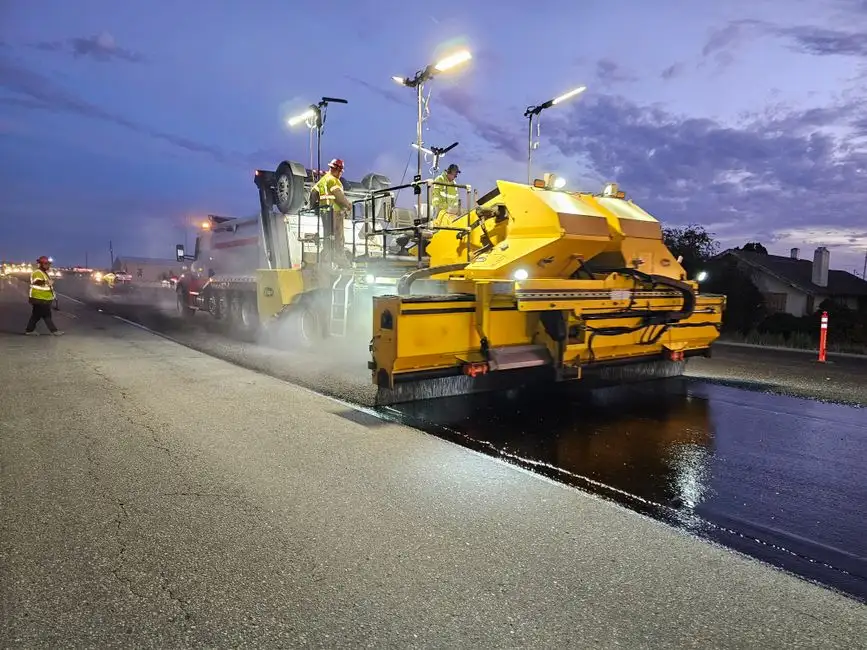
A standard residential tarmac driveway in the Bournemouth area typically costs £40-£80 per square metre depending on whether a new base is needed and how much groundwork is involved. On a 40m² driveway, that is roughly £1,600-£3,200.
Resin bound surfacing on the same 40m² runs from around £4,000 to £7,000 depending on ground preparation and aggregate choice. The gap comes down to materials, labour, and the nature of the work. Resin is mixed and trowelled by hand in a timed window before the binder sets - it needs an experienced crew, not a machine operator, and takes longer.
For homeowners on a tight budget or planning to sell within a few years, tarmac does the job at lower initial cost. That is a legitimate reason to choose it.
Lifespan And Whole-Life Cost
Run the numbers over 20 years and the gap closes.
A well-laid tarmac driveway on a good base lasts roughly 10-15 years before it needs full resurfacing. In the years before that, edge chipping and surface cracking typically need patching. Resurfacing a tarmac driveway costs broadly the same as installing new tarmac - the old surface may or may not need lifting, but plant and labour are similar. Over a 20-year period, most tarmac driveways will have had at least one significant repair and a full resurface.
Resin on a properly prepared base should reach 20-25 years with no resurfacing required. The maintenance requirement is minimal - sweeping and an occasional rinse. There is no re-sanding, no patching, no weed treatment through joints. See our maintenance guide for the full picture of what ongoing upkeep looks like.
On a 40m² driveway over 20 years, tarmac might cost £2,500 upfront and £2,500-£3,500 in resurfacing and repairs. Resin might cost £5,500 upfront and £100-£200 in occasional cleaning products. The whole-life cost comparison is considerably closer than the upfront figures suggest.
Appearance
Tarmac is black. That is the full range of options.
It starts clean and can look reasonable on the right property, but it fades to a dull grey-brown within a few years as the binder oxidises. Oil stains, tyre marks and edge chipping become visible relatively quickly. Re-blacking products extend the life of the appearance but need applying regularly. Some homeowners find tarmac acceptable and some genuinely dislike how it ages.
Resin comes in a wide range of aggregate colours. Buff, golden, silver grey, charcoal, terracotta, rustic brown and blended options all work for different property types. The south-facing coastal light in Bournemouth affects how colours read - warm tones look different under the kind of bright afternoon sun you get in Southbourne or Canford Cliffs compared to how they look on a screen. We always bring sample boards to site visits for exactly this reason.
A UV-stable resin system holds its colour well over the surface’s full lifespan. The stone itself does not fade. The risk is in cheaper resins that are not properly UV-stable and yellow or dull over time - something that matters more on the south coast than in most of the UK given the higher sunshine hours here.
Maintenance
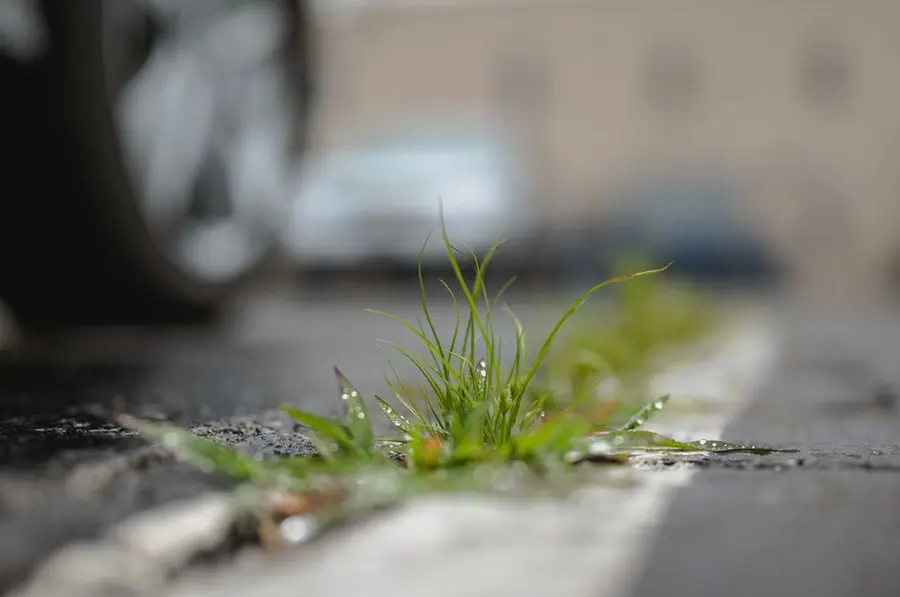
Tarmac needs more attention than most people expect when they install it. Edge sealant helps prevent cracking at the boundary. Oil stains penetrate the porous bitumen and are hard to shift. Weeds grow through any crack and from the edges inward once the edge integrity breaks down. Re-blacking every few years maintains the appearance but does not address structural deterioration. It is a manageable maintenance burden but it is a real one.
Resin needs almost none. The seamless surface has no joints for weeds to grow through. Oil spills treated promptly do not penetrate deeply. The aggregate self-cleans to a reasonable degree in rain, and a sweep and hose twice a year keeps it looking right. There is no re-sanding, no edge sealing, no structural patching.
If you are comparing two surfaces on the basis of how much time and money you want to spend on them in years three through fifteen, resin wins by a clear margin.
Which Is Right For Your Property
Tarmac makes sense when upfront cost is the binding constraint and you are not planning to hold the property long-term. For a purely functional rear access drive where no one is looking at it, it also does the job.
For a front driveway you are planning to keep for ten or more years, the answer is usually resin. The planning position, the maintenance difference, the appearance at year eight versus year one - it adds up. On the south coast particularly, where UV exposure accelerates the decline of cheaper surfaces, the durability argument is stronger than it is in most of the country.
The best starting point is a site visit. We will look at what is currently there, tell you whether it can be overlaid or needs lifting, and give you a fixed price. Get in touch to arrange a free survey.
Frequently Asked Questions
Is resin or tarmac better for a driveway?
It depends on what matters most to you. Tarmac costs less upfront, goes down quickly, and is well understood by almost any contractor. Resin bound surfacing costs more initially but lasts longer, looks considerably better, requires almost no maintenance, and is a permeable surface - meaning it does not require planning permission for front gardens over 5m² in the way that tarmac does. For most Bournemouth homeowners who want a surface that holds its appearance for 20-plus years without annual maintenance, resin is the better long-term choice.
How much cheaper is tarmac than resin?
Tarmac is typically £40-£80 per square metre for a standard residential driveway, compared to £100-£250/m² for resin bound surfacing depending on size and ground preparation. On a typical 40m² driveway, that is a £2,000-£5,000 difference in upfront cost. However, tarmac needs resurfacing every 10-15 years and patching sooner where the base moves or edges chip. Over 20-25 years, the cost difference narrows considerably once maintenance and resurfacing are factored in.
Does tarmac need planning permission in Bournemouth?
Yes, if the tarmac driveway is over 5 square metres in a front garden. Tarmac is an impermeable surface - water runs off it rather than draining through. Under current planning rules, impermeable front garden surfaces over 5m² require planning permission. Resin bound surfacing is permeable and is exempt from this requirement. This is one reason many homeowners who had planned to relay tarmac choose resin instead.
How long does tarmac last compared to resin?
A well-laid tarmac driveway on a sound base typically lasts 10-15 years before it needs resurfacing. Edges and areas near tree roots or water ingress tend to fail sooner. A correctly installed resin bound driveway on a properly prepared permeable sub-base should last 20-25 years with minimal maintenance. Both surfaces depend heavily on the quality of the base preparation underneath them.
Can you put resin over existing tarmac?
Yes, in many cases. If the existing tarmac is structurally sound, level, free from significant cracking and draining adequately, resin can be installed directly on top after cleaning and preparation. This saves the cost of lifting and disposing of the old tarmac. If the tarmac has cracked, settled unevenly or has poor drainage, laying resin over it will not fix those problems - the resin will reflect the movement in the base beneath it. An installer should assess the existing tarmac on the site visit before recommending an overlay or a full lift.