
22 July 2026
Resin vs Pattern Imprinted Concrete: Which Is Better?
Resin bound and pattern imprinted concrete get compared a lot, and it makes sense - they are the two most common premium driveway finishes, they cost roughly the same to install, and both look sharp on the day they go down. Pattern imprinted concrete, sometimes called stamped or patterned concrete, was the fashionable choice through the 2000s. Resin has largely overtaken it since, and there are good reasons for that. But they are genuinely different surfaces, and the right answer depends on what you want.
Here is an honest comparison for a Bournemouth driveway, across the things that actually matter once the surface is down and you are living with it.
What Each Surface Actually Is
The two are made and installed in completely different ways, and that difference drives everything else.
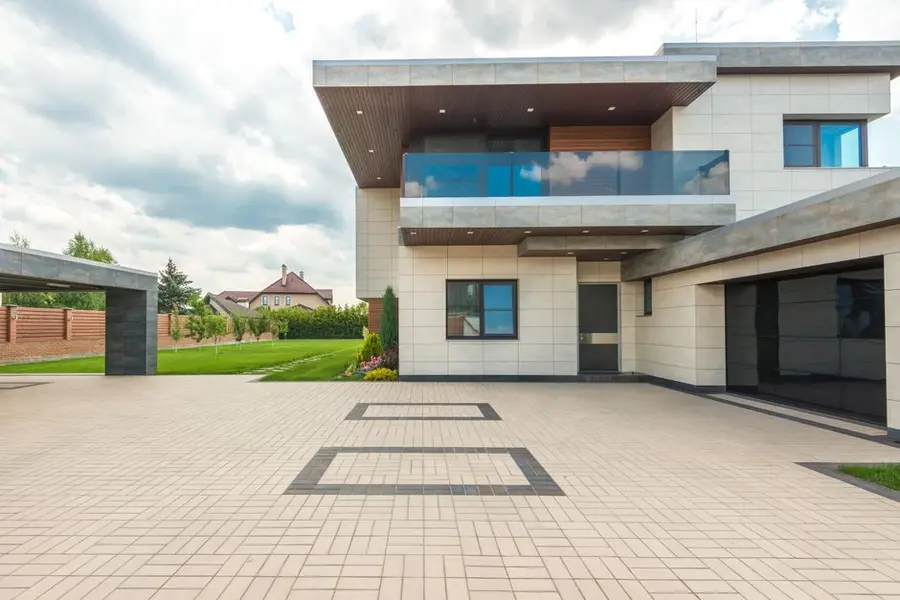
Pattern imprinted concrete is wet concrete poured over a prepared base, coloured, and then stamped with moulds while it is still soft to create a pattern - imitation brick, cobble, slate or stone. Once it sets, it is a single solid slab with a sealed, patterned surface. It is impermeable, so water runs off it.
Resin bound surfacing is natural stone aggregate mixed with a clear resin and trowelled onto a permeable sub-base to a smooth, flat finish. Every stone is coated and locked in, and water drains straight through the surface into the ground. Our guide to resin bound driveways covers the material in more detail, but the key point is that one is a rigid concrete slab and the other is a permeable bound-stone surface. That is why they age so differently.
Appearance And Design
Both look good new, and this partly comes down to taste.
Pattern imprinted concrete offers moulded patterns - it can mimic brick paving, riven slate, cobblestones or stone setts, which some people specifically want. If your heart is set on the look of a stone-sett courtyard without laying real setts, imprinted concrete does that. The colour is applied to the surface rather than running through, though, so chips and wear reveal the grey concrete underneath, and the whole surface dulls as the sealant wears.
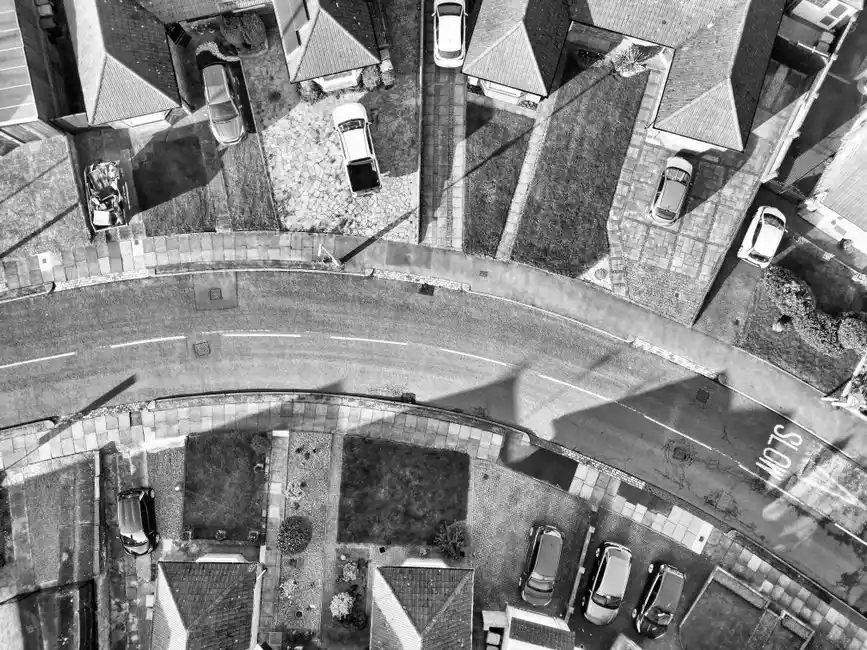
Resin gives a natural stone finish in a wide range of aggregate colours. The colour is the actual stone, so it does not fade or wear to grey - a chip is the same colour all the way through. It reads as more contemporary and natural than the moulded patterns of imprinted concrete, which is part of why it has become the more popular choice on both period and modern properties around Bournemouth. If you want a natural, understated finish, resin has the edge; if you want a specific stamped pattern, imprinted concrete is the only one that does it.
Durability And Cracking
This is where the two really separate, and it is the single biggest reason people move away from imprinted concrete.
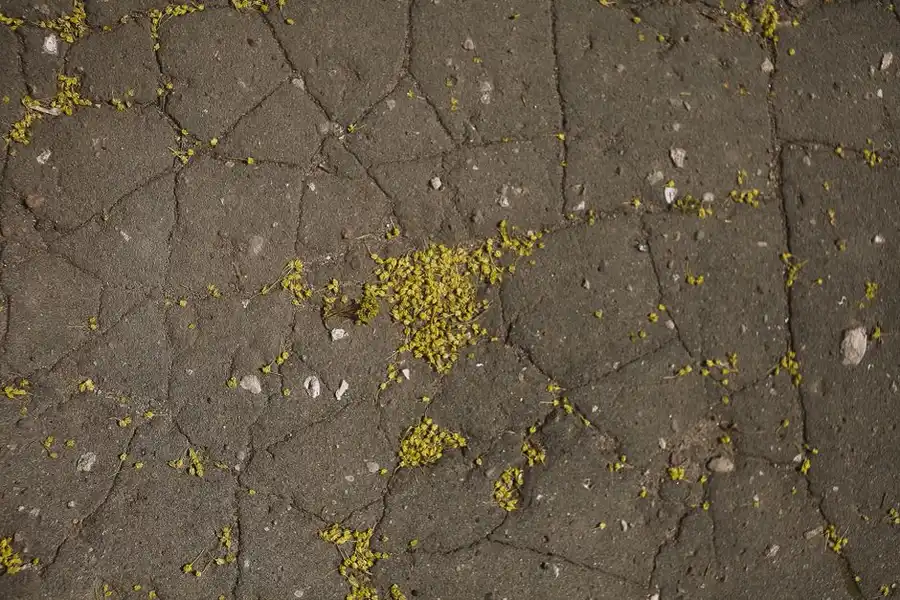
Pattern imprinted concrete is a rigid slab, and rigid slabs crack. Ground movement, tree roots, and the freeze-thaw cycle all work on it over the years, and once a crack appears in a coloured, patterned surface it is very hard to fix invisibly - the repair colour and pattern almost never match the original. Cracks tend to spread, and a cracked imprinted concrete drive often ends up being covered or replaced rather than repaired. On the shrink-swell clay ground found around parts of Wimborne, Ferndown and the river valleys, this movement is more pronounced.
Resin has some give. Laid on a permeable sub-base rather than as a solid slab, it flexes slightly with minor ground movement instead of cracking, and because it is a bound aggregate there is no single slab to fracture. A correctly installed resin surface should reach 20-25 years without the cracking that shortens the life of imprinted concrete. Our post on common resin driveway problems is honest about what can go wrong with resin too - but cracking on the scale imprinted concrete suffers is not one of them.
Drainage And Planning Permission
The permeability difference is not just technical - it affects whether you need planning permission at all.
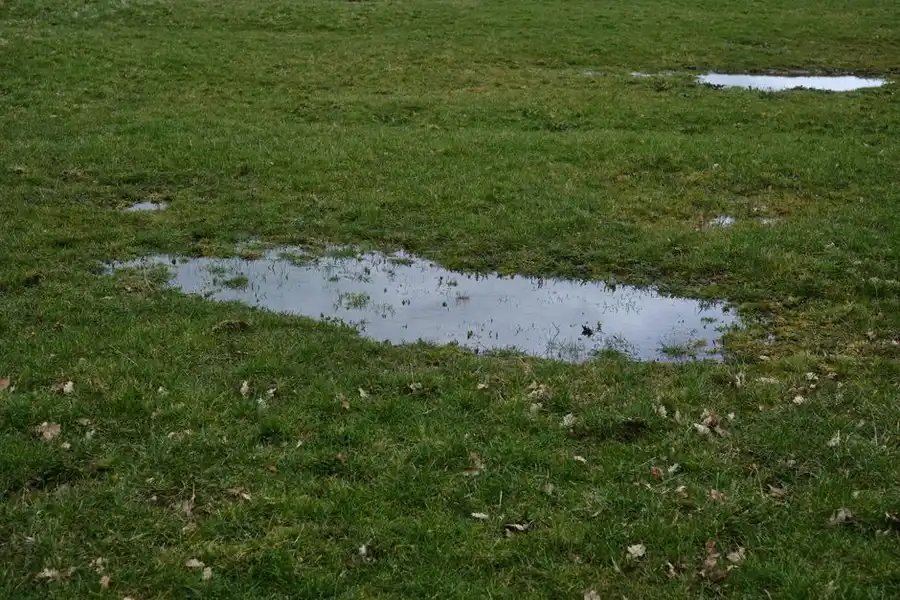
Pattern imprinted concrete is impermeable. Water runs off it, which means a front driveway over 5 square metres requires planning permission unless the runoff is directed to a permeable area within your boundary, under the rules set out in the government’s guidance on permeable surfacing of front gardens{target=“_blank” rel=“noopener noreferrer”}. Most front driveways are well over 5m², so this is a real consideration.
Resin bound is permeable and exempt from that requirement. Water drains through it into the sub-base, so there is no runoff to manage, no planning application to make, and no puddles pooling against the house after the heavy showers that roll in off the Channel. On the flat coastal plots common across Bournemouth and Poole, that drainage matters day to day, not just on paper.
Cost Compared
Upfront, the two are closer than people expect - both typically land in the region of £100-£150 per square metre for a standard installation, depending on size and groundwork. So the decision rarely comes down to the starting price.

The difference is what happens after. Pattern imprinted concrete needs re-sealing every two to three years to hold its colour and protect the surface - a recurring cost in money or weekend labour that never stops. And when it cracks, repair is difficult and often unsatisfactory, so the eventual bill can be a full replacement. Resin needs no re-sealing and almost no maintenance across its life; the running cost is close to nothing. Our full resin cost guide breaks the numbers down, but over 15-20 years resin generally works out the better value despite the similar upfront figure.
Which Suits A Bournemouth Driveway
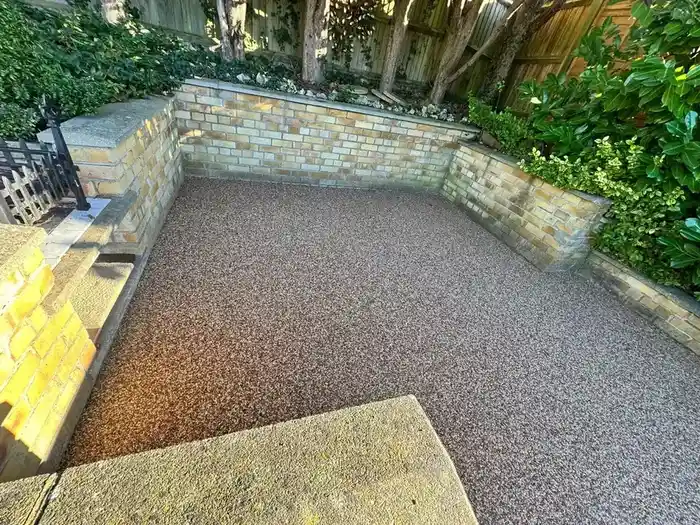
For most driveways across Bournemouth, Poole and the surrounding towns, resin is the stronger all-round choice. It does not crack the way a concrete slab does, it needs no re-sealing, it drains and sidesteps planning permission, and the natural stone colour holds up through the strong south coast sun rather than fading and wearing to grey. That combination is why it has largely replaced imprinted concrete as the premium driveway of choice here.
Pattern imprinted concrete still has a place. If you specifically want a moulded pattern - a stamped cobble or slate look that resin cannot replicate - and you accept the re-sealing and the cracking risk that come with it, it can be the right call for that particular aesthetic. It is a taste-led choice rather than a value-led one.
The honest way to decide is to see both against your own property and weigh what matters to you - the look, the upkeep, the planning position. If you would like a straight recommendation for your driveway rather than a sales pitch for one surface, book a free site visit and we will talk it through, sample boards included.
Frequently Asked Questions
Is resin or pattern imprinted concrete better for a driveway?
For most Bournemouth driveways, resin bound is the better long-term choice. Both look smart when new, but pattern imprinted concrete is a solid slab that cracks as the ground moves and needs re-sealing every few years to keep its colour, while resin is slightly flexible, permeable and almost maintenance-free. Pattern imprinted concrete is impermeable, so a front driveway over 5m² can require planning permission, whereas resin is permeable and exempt. Pattern imprinted concrete suits people who specifically want a moulded brick or slate pattern; resin suits those who want a low-maintenance natural stone finish that lasts.
Does pattern imprinted concrete crack?
Yes, cracking is the most common problem with pattern imprinted concrete. Because it is a single continuous slab of concrete, ground movement, tree roots and freeze-thaw cycles cause it to crack over time, and cracks in a coloured, patterned surface are very hard to repair invisibly - the colour and pattern rarely match. Resin bound surfacing has some flexibility and is laid on a permeable sub-base, so it does not crack in the same way, which is one of the main reasons homeowners choose it over imprinted concrete.
Does pattern imprinted concrete need re-sealing?
Yes. Pattern imprinted concrete needs re-sealing every two to three years to maintain its colour and protect the surface. The sealant wears off with traffic and UV exposure, and once it does the colour fades and the surface becomes more vulnerable to staining and surface damage. This is an ongoing cost and job that resin does not have - a resin bound driveway needs no re-sealing, just an occasional sweep and rinse.
Is pattern imprinted concrete cheaper than resin?
Pattern imprinted concrete and resin bound are broadly similar in upfront cost, typically both in the region of £100-£150 per square metre for a standard installation, though prices vary with size and groundwork. The bigger difference is lifetime cost: imprinted concrete needs re-sealing every few years and is expensive to repair when it cracks, while resin needs almost no maintenance over its 20-25 year life. Over time, resin usually works out better value despite the similar starting price.
Does pattern imprinted concrete need planning permission?
Potentially, yes. Pattern imprinted concrete is an impermeable surface - water runs off it rather than draining through - so an imprinted concrete front driveway over 5 square metres requires planning permission unless the runoff is directed to a permeable area within the property. Resin bound surfacing is permeable and exempt from this requirement. For many Bournemouth front driveways, which are comfortably over 5m², this is a point in resin's favour.