
10 July 2026
Resin Driveway Problems: What Goes Wrong And How To Avoid It
Search for resin driveways and you will find horror stories - cracked surfaces, bald patches shedding stone, driveways that turned yellow in two summers. All real, and worth taking seriously. But here is the thing the horror stories rarely say: almost none of them are problems with resin as a material. They are problems with how it was installed.
We have been installing resin bound surfaces across Bournemouth and Poole for fifteen years, and we get called out to look at failed driveways other companies laid. The same handful of causes come up every time. This is the full list - what goes wrong, why, and what to check before you hire anyone.
Cracking: The Base Fails, Not The Resin
Resin bound surfacing is slightly flexible. Under normal domestic use it does not crack on its own. When you see a cracked resin driveway, you are looking at a crack in whatever is underneath, telegraphing through the surface.
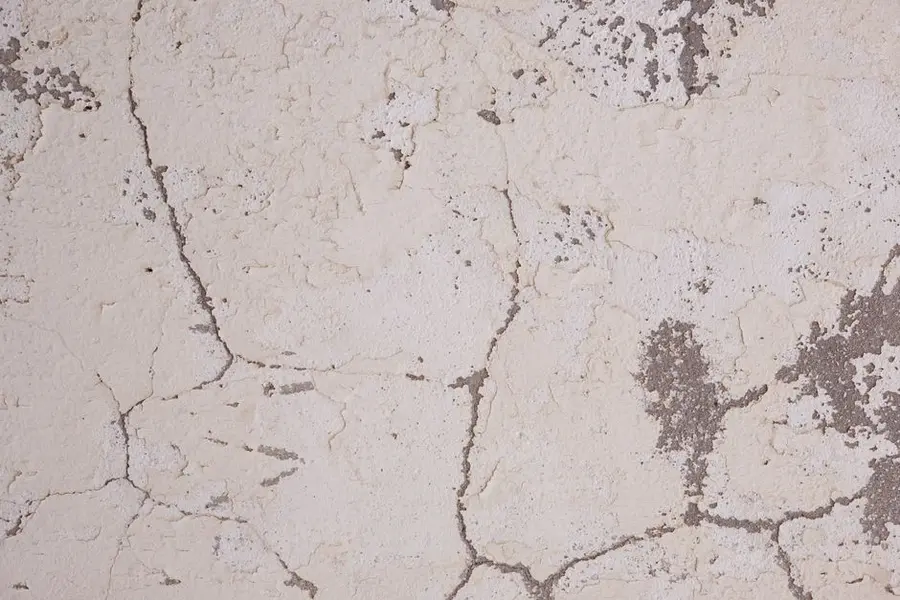
The classic case is an overlay on old concrete that should never have been overlaid. The concrete had a crack, or a section that moves with the seasons, and the installer either did not check or did not care. Within a year the crack reappears, drawn neatly through the new resin.
The other cause is a new sub-base done badly - insufficient depth, poor compaction, or the wrong material. The ground settles, the base moves, the surface cracks. On Bournemouth’s sandy soils this is less common than in clay areas, because sand compacts well, but a rushed job can fail anywhere.
What to check: ask the installer whether they are overlaying or lifting, and why. A good answer references the actual condition of your existing surface. A bad answer is a price without a site visit. Our guide to choosing a resin driveway installer covers the exact questions to ask about the sub-base.
Loose Stones And Bald Patches
A resin bound surface should lose a small scattering of stone in its first few weeks - that is surplus aggregate that was never fully bound, and it stops. A surface that keeps shedding stone months in has a mix problem.
The usual cause is too little binder. Resin is the expensive part of the mix, so a company trying to win on price can stretch it - more stone, less resin. The surface looks identical on day one. By the first winter, trafficked areas start balding.
Weather during installation does the same damage. Resin needs dry conditions and reasonable temperatures to cure properly. Laying in drizzle, onto a damp base, or in near-freezing temperatures stops the binder curing to full strength, and the stone pulls free under tyres. An installer who watches the forecast and reschedules is protecting your surface, not being difficult.
Ask what depth the surface will be laid at - 15-18mm is the standard for driveways - and whether the mix is weighed rather than judged by eye. And ask what happens if the forecast turns on the installation day. An installer with a straight answer to that last one has lost days to weather before and priced for it.
Fading And Yellowing
The stone in a resin surface does not fade - it is natural aggregate and it holds its colour for decades. What fades is cheap resin. Low-grade binders yellow under UV exposure, which shifts the whole surface toward a dirty amber tone and dulls the stone’s colour.

This is the problem where Bournemouth homeowners have the least margin for error. The south coast records among the highest sunshine hours in the UK - a binder that degrades slowly in Manchester degrades quickly here. A south-facing drive in Southbourne or Canford Cliffs gets a harder UV load than almost any surface in the country.
The fix is entirely in the specification: a UV-stable polyurethane binder costs more per kilo and holds its clarity for the surface’s full lifespan. Some installers quote with a cheaper binder and never mention it, because the difference is invisible at handover.
The question to ask is simple: what resin product are you using, and is it UV-stable? A specific product name you can look up is a good sign. “Our own blend” or a vague answer is not.
Puddling And Drainage Failures
A resin bound surface is permeable - rain should drain straight through it into the ground. When a resin driveway puddles, one of two things went wrong underneath.
Either the resin was laid over an impermeable base - old concrete, typically - without any provision for where water goes. The surface lets water through, the concrete underneath does not, and the water finds the low spot and sits there, sometimes re-emerging at the edges. Overlays are legitimate, but they need falls or drainage designed in.
Or the sub-base was built with the wrong stone. A permeable sub-base uses open-graded aggregate that leaves voids for water to pass through. Standard MOT Type 1 - the default for most groundwork - compacts nearly solid. An installer who uses it out of habit has built a permeable surface on an impermeable base.
The national standards for sustainable drainage systems{target=“_blank” rel=“noopener noreferrer”} set out what a compliant permeable construction looks like. An installer familiar with them will specify open-graded Type 3 or similar without being prompted.
If you are getting an overlay, ask where the water goes. If you are getting a full installation, ask what sub-base stone they use. “Type 1” is the wrong answer under a permeable surface.
Tyre Marks, Scuffs And Iron Staining
A few smaller issues come up often enough to mention.
Power steering scuffs - turning the wheel on the spot on a hot day - can leave marks on a freshly laid surface in its first summer. The surface hardens with age and the marks generally blend out. Dry-steering on brand new resin in a heatwave is worth avoiding for the first few weeks.
Iron spotting shows up as small rust-coloured dots and comes from iron content in cheap aggregate. Washed, quality-controlled aggregate does not do it. This is another specification question - where does the stone come from - rather than a maintenance one.
Moss on shaded, damp surfaces is possible on any surface, including resin, though without joints it has nowhere to root and pressure-washes off easily. Our maintenance guide covers the twice-a-year routine that keeps a surface clear.
Every Problem On This List Is Avoidable
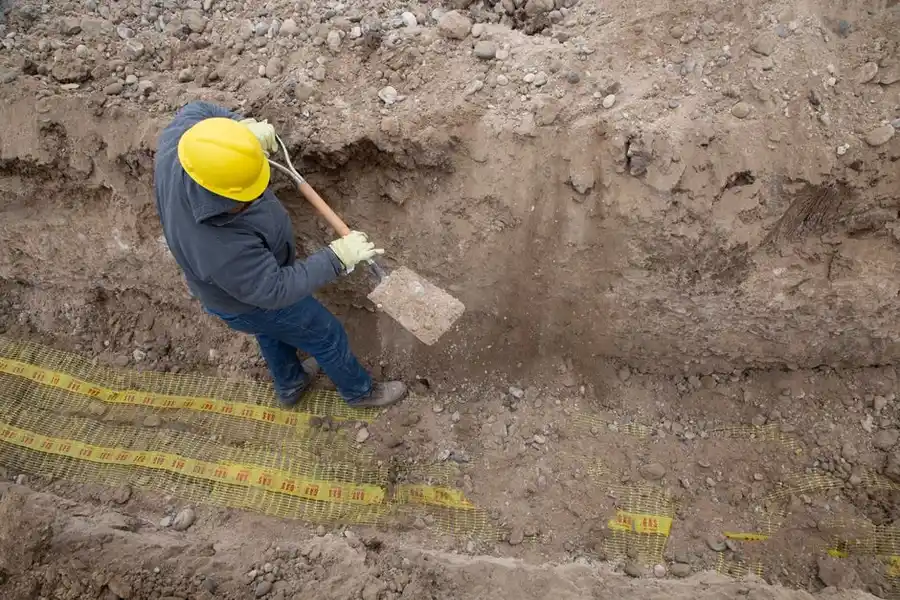
Read back through this list and a pattern is obvious. Cracking is a base problem. Shedding is a mix problem. Fading is a materials problem. Puddling is a design problem. None of them is inherent to resin - each one is a corner that someone cut, and each one is invisible on the day the job is handed over.
That is why the cheapest quote is a gamble. The savings have to come from somewhere, and the places they come from - binder quantity, sub-base depth, aggregate quality, resin grade - are exactly the places that fail two winters later. A properly installed resin surface on a sound base, laid at the right depth with UV-stable binder, does none of the things in this article for 20-25 years.
If you are weighing up quotes and want a second opinion on what is actually being specified - or you have an existing resin surface doing something on this list and want to know why - get in touch and we will take a look. Site visits and quotes are free across Bournemouth, Poole, Christchurch and the surrounding areas.
Frequently Asked Questions
What are the most common problems with resin driveways?
The most common problems are cracking (almost always caused by movement in the base underneath, not the resin itself), loose stones shedding from the surface (caused by too little binder or laying in bad weather), fading or yellowing (caused by cheap non-UV-stable resin), and puddling (caused by an impermeable or poorly prepared sub-base). Every one of these is an installation failure rather than a flaw in the material - a correctly specified and installed resin surface avoids all of them.
Do resin driveways crack?
Resin bound surfacing has some flexibility and does not crack on its own under normal use. When a resin driveway cracks, it is nearly always reflecting a crack or movement in the base beneath it - typically an old concrete base that was overlaid without being assessed properly. This is why the pre-installation survey matters so much: a sound base means a crack-free surface, and a compromised base guarantees problems no matter how good the resin is.
Why do stones come loose on some resin driveways?
Stone shedding happens when there is not enough resin binder in the mix, when the mix ratio was measured by eye rather than weighed, or when the surface was laid in damp or cold conditions that stopped the resin curing properly. A small amount of loose stone in the first weeks is normal on any new surface. Ongoing shedding after that points to an installation fault and should be covered by the workmanship guarantee.
Do resin driveways fade in the sun?
Cheap resin systems fade and yellow, particularly aliphatic-substitute or low-grade aromatic binders. A quality UV-stable polyurethane binder holds its appearance for the life of the surface - the natural stone itself does not fade. This matters more in Bournemouth than most of the UK because the south coast records among the highest sunshine hours in the country. Always ask which resin system an installer uses and whether it carries a UV stability rating.
How do I avoid resin driveway problems?
Choose the installer, not the material. Insist on a site visit before any firm quote, ask what sub-base depth and specification they are using, ask whether the resin is UV-stable polyurethane and what depth it will be laid at (15-18mm for driveways), and get a written workmanship guarantee of at least ten years from an established local company. Nearly every failed resin driveway traces back to a corner cut on one of those points.