
14 August 2026
Are Resin Driveways Eco-Friendly? Permeable Surfacing Explained
“Eco-friendly” gets attached to a lot of things that do not deserve it, so it is fair to be sceptical when a driveway surface claims it. But resin has a genuine environmental case, and it is not really about the material itself - it is about what the surface does with rainwater. In an area like Bournemouth and Poole, where flat coastal plots and paved-over front gardens put real pressure on drainage, that matters more than it might sound.
Here is an honest look at whether resin driveways are eco-friendly, what permeable actually means, and where resin genuinely helps versus where the claims are overblown.
What “Permeable” Actually Means
The whole environmental argument for resin rests on one word: permeable. It is worth being clear about what it means, because it is the difference between a surface that helps and one that adds to the problem.
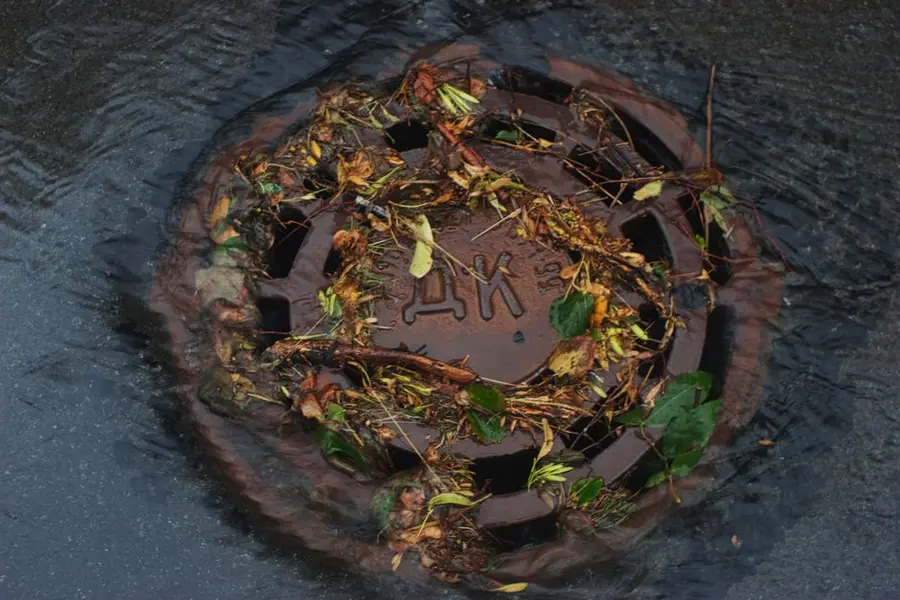
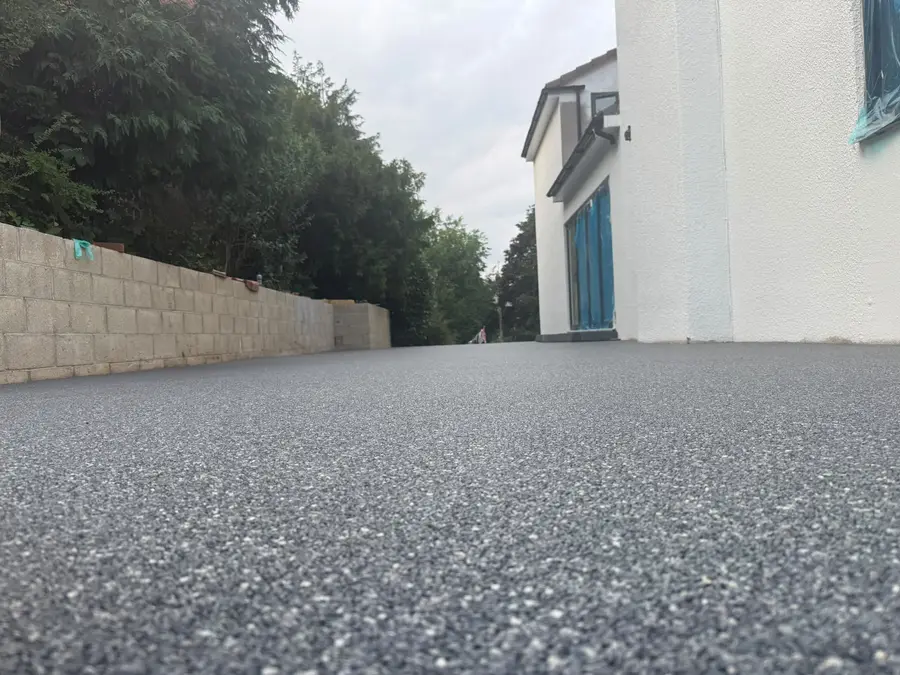
A permeable surface lets water pass through it into the ground. A resin bound surface is natural stone aggregate held in a clear resin, with tiny gaps between the coated stones, so rain drains down through the surface into the permeable sub-base and away into the earth. An impermeable surface - tarmac, concrete, pattern imprinted concrete, resin bonded - does the opposite: water cannot get through, so it runs off the surface and into the drains.
That difference is the entire point. A permeable driveway deals with rainwater where it falls. An impermeable one collects it and sends it somewhere else, usually the drainage network, which is where the trouble starts.
How Resin Helps With Surface Water And Flooding
Here is where it stops being abstract, because surface water flooding is a real and growing problem, and paved front gardens are part of the cause.
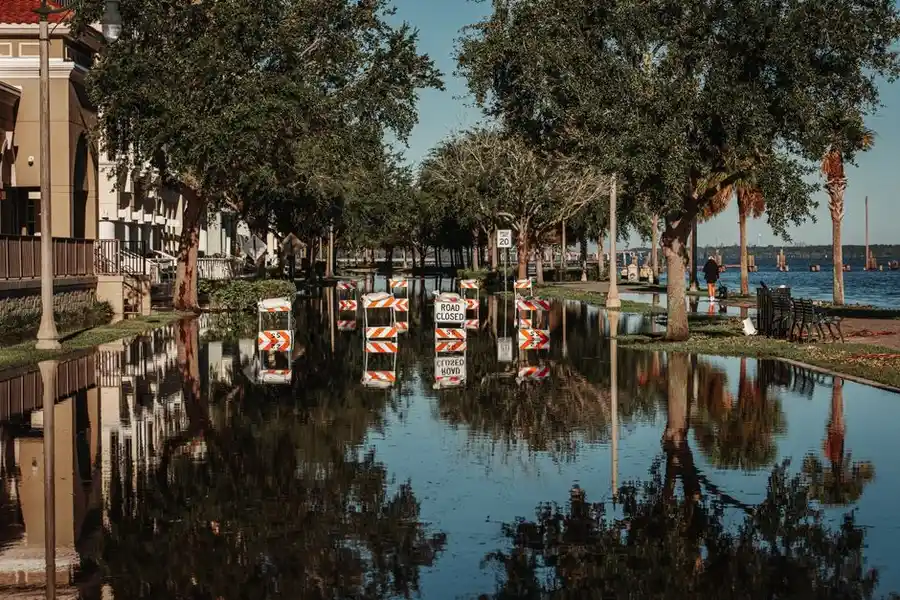
When a front garden is paved over with an impermeable surface, all the rain that used to soak into the soil now runs off - down the drive, across the pavement, into the gutter and the drains. Multiply that across a whole street of paved-over gardens and the drains cannot cope in heavy rain, which is a direct contributor to the flash flooding that hits low-lying areas. On the flat coastal ground across much of Bournemouth and Poole, where water already has nowhere obvious to go, that runoff is a genuine issue.
A permeable resin driveway does the opposite. The rain soaks into the ground beneath it rather than running off, so it takes that water out of the drainage network entirely. One driveway is a small thing; a lot of permeable driveways instead of impermeable ones makes a measurable difference to how a neighbourhood copes with heavy rain. That is the single strongest environmental argument for resin, and it is a real one.
Planning Permission And SuDS
This is where the environmental benefit is written into the rules, which tells you it is taken seriously.

Since 2008, laying an impermeable surface of more than 5 square metres in a front garden has required planning permission, precisely because of the runoff problem. Permeable surfaces are exempt, because they manage water on site. The government’s guidance on permeable surfacing of front gardens{target=“_blank” rel=“noopener noreferrer”} sets this out, and it is the reason a resin driveway sidesteps the planning application that a tarmac or concrete one over 5m² would need.
Sustainable Drainage Systems, or SuDS, are the wider framework behind this - the principle that development should manage rainwater at source rather than piping it away. A permeable resin driveway is a small piece of SuDS in action, and on commercial sites it can form part of a formal drainage strategy. Our post on what goes under a resin driveway explains how the permeable sub-base makes this work - because the surface is only as permeable as the base beneath it.
The Materials: Natural Stone And Resin
It is only honest to look at what resin is made of, because “permeable” does not automatically mean “green” in every respect.
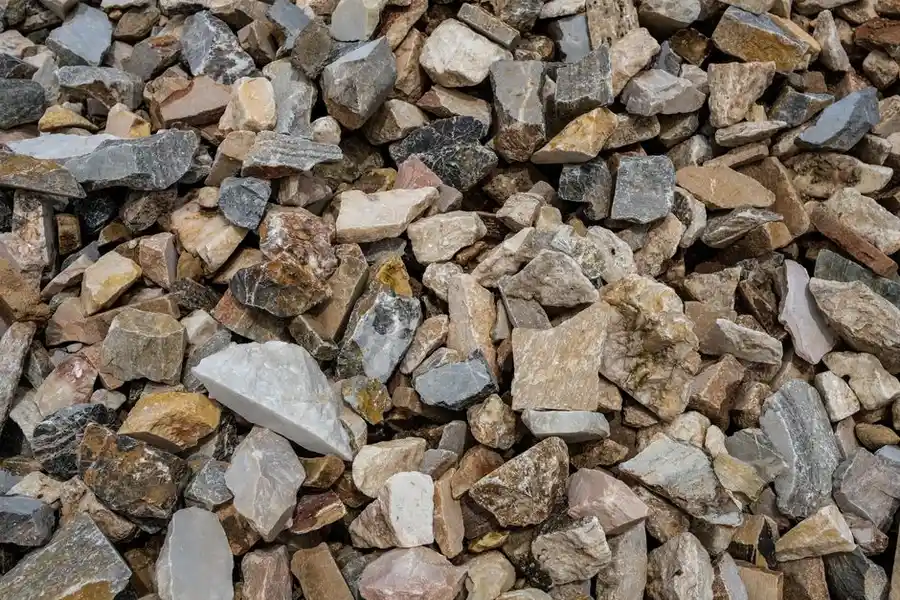
The bulk of a resin surface is natural stone aggregate - quarried gravel, which is a natural material, though quarrying and transport carry their own footprint. The binder is polyurethane resin, which is a manufactured product, not a natural one. So resin is not a wholly natural surface in the way loose gravel is, and it would be greenwashing to pretend otherwise.
Where it earns its environmental credentials is not in being a natural material but in how it performs: permeable drainage, and a long life with very little waste. Some resin systems also now use recycled aggregates or more sustainable binders, which is worth asking about. But the honest position is that resin’s green case rests on drainage and longevity, not on the binder being something it is not.
Whole-Life Sustainability
The greenest surface is often the one you do not have to keep replacing, and this is where resin’s longevity counts.
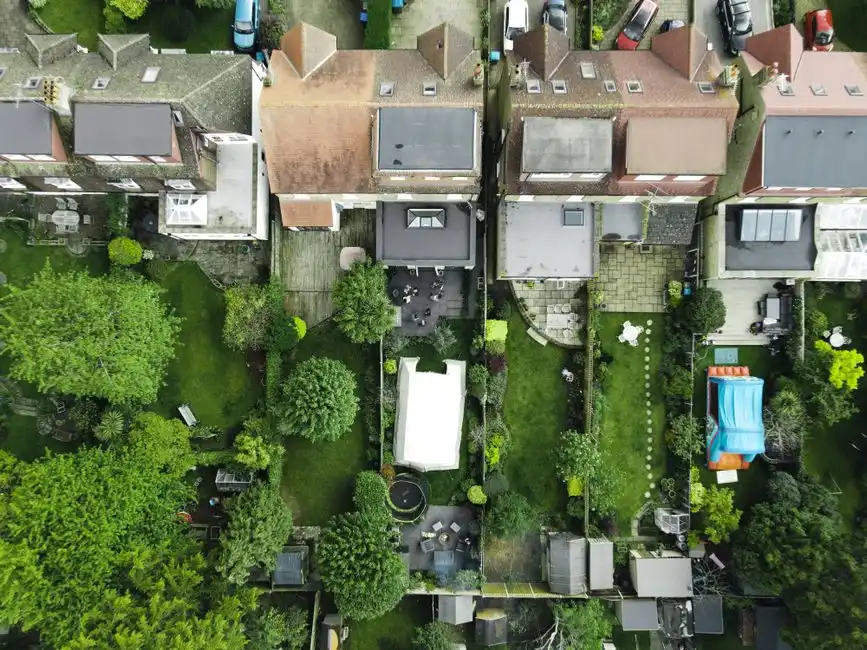
A correctly installed resin driveway lasts 20 to 25 years with almost no maintenance - no resurfacing, no re-sanding, no chemical weed treatments, no sealing. Compare that to tarmac, which needs resurfacing every 10 to 15 years, or block paving, which needs ongoing upkeep and periodic relaying. Every resurface and replacement means more materials, more transport, more waste and more disruption. A surface that lasts twice as long with none of that ongoing intervention has a genuinely lower whole-life footprint.
The lack of chemical maintenance matters too. Because a resin surface has no joints for weeds to grow through, there is no need for the weedkillers that block paving and gravel drives often get treated with - which is a small but real benefit for the soil and water around your property. Our maintenance guide covers just how little the surface actually needs.
Is Resin The Greenest Driveway Choice?
Not in every sense, and it is worth being straight about that.
 If your only measure is natural materials, loose gravel or a real grass surface is more “natural” than resin. But on the measures that actually matter for a driveway - drainage, flooding, longevity and waste - resin performs well, and clearly better than the impermeable surfaces it competes with.
So the honest answer is that resin is one of the more environmentally responsible driveway choices, mainly for its permeability and its long, low-maintenance life, while not being a perfect or wholly natural material. For a Bournemouth home on flat coastal ground, where surface water drainage is a real concern, choosing permeable over impermeable is a decision that helps beyond your own boundary - and it happens to avoid the planning permission an impermeable surface would need. If you want a driveway that drains properly and lasts, get in touch for a free site visit and we will make sure the permeable build is done right.
Frequently Asked Questions
Are resin driveways eco-friendly?
Resin bound surfacing is one of the more environmentally sensible driveway choices, mainly because it is permeable. Water drains through it into the ground rather than running off into drains, which reduces surface water flooding and helps recharge groundwater. It also lasts 20-25 years with almost no maintenance, so there is far less waste over its life than surfaces that need frequent resurfacing or replacing. It is not perfect - the resin binder is a manufactured polyurethane - but on drainage and longevity, resin performs well against the alternatives.
Is a resin driveway permeable?
Yes. Correctly installed resin bound surfacing is permeable - rainwater drains down through the surface and into the permeable sub-base beneath, then into the ground, rather than running off. This is different from resin bonded, tarmac and pattern imprinted concrete, which are impermeable and shed water off the surface. The permeability depends on the sub-base being built correctly with open-graded stone; a resin surface laid over solid concrete without drainage will not drain properly, which is why the base matters.
Do resin driveways help prevent flooding?
They help with localised surface water. Because a permeable resin driveway lets rain soak into the ground where it falls rather than running off into the drainage network, it reduces the volume and speed of surface water leaving the property. When lots of front gardens are paved over with impermeable surfaces, that runoff overwhelms drains and contributes to flash flooding. A permeable surface like resin does the opposite - it holds water back and lets it drain naturally, which is exactly what Sustainable Drainage Systems aim for.
Are resin driveways better for the environment than tarmac or concrete?
On drainage, clearly yes - tarmac, concrete and pattern imprinted concrete are all impermeable and shed water into the drains, while resin is permeable and lets it soak away. On longevity, resin also compares well, lasting 20-25 years with minimal maintenance versus tarmac's 10-15 and the ongoing upkeep of block paving. The resin binder itself is a manufactured material, so it is not a natural surface, but across drainage, lifespan and waste, resin generally has a lighter environmental footprint than the impermeable alternatives.
Does a permeable driveway avoid planning permission?
In most cases, yes. Since 2008, laying an impermeable surface over 5 square metres in a front garden requires planning permission unless runoff is directed to a permeable area. A permeable surface like resin bound is exempt, because it manages the water on site rather than shedding it into the drainage network. So choosing a permeable driveway both helps with drainage and avoids the planning application that an impermeable one over 5m² would trigger.