
25 July 2026
Are Resin Driveways Slippery? Grip, Safety & Frost Explained
It is a fair question, and one worth asking before you commit to any driveway surface: is resin slippery? Nobody wants a smart new driveway that turns into a skating rink in the first wet winter, and on the south coast - where damp, showery weather is a fact of life - grip matters more than it might somewhere drier.
The short version is that resin holds up well, and often better than the alternatives. But it is worth understanding why, because the grip depends on how it is made and specified. Here is a straight answer on resin driveways and slipperiness, with Bournemouth’s coastal climate in mind.
The Short Answer: No, And Here Is Why
Resin bound driveways are not slippery in normal use. Two things about the surface work in its favour.
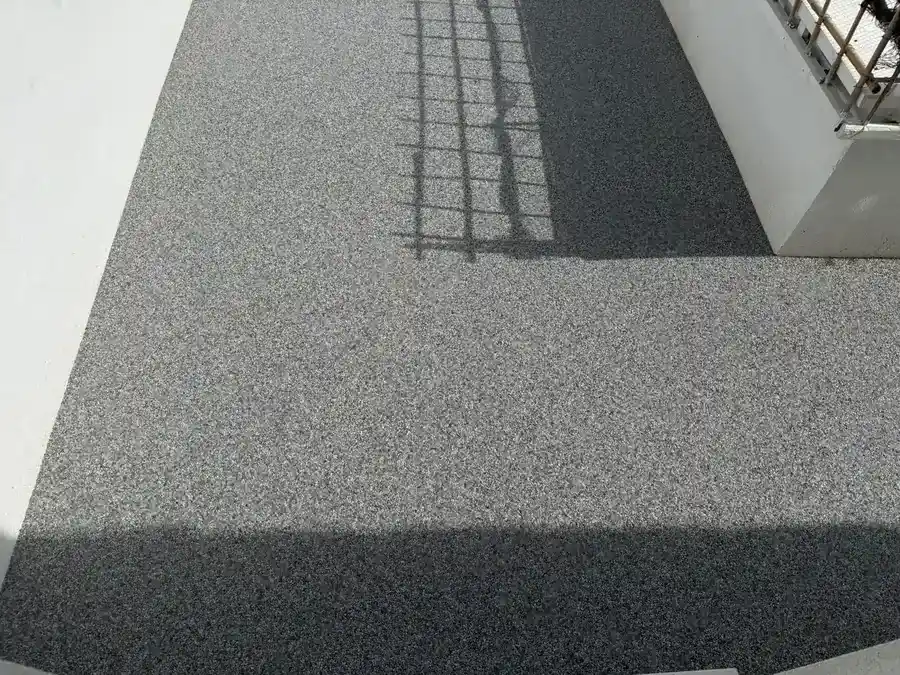
The first is texture. A resin surface is natural stone aggregate held in a clear resin, and the exposed faces of all that stone give it a naturally grippy, textured finish - nothing like a smooth trowelled concrete or a polished slab. Your foot, tyre or wheel has something to key against.
The second is drainage. Because a resin bound surface is permeable, water drains straight through it into the ground rather than sitting on top. Most slipperiness on hard surfaces comes from a film of standing water, and resin simply does not hold one. Between the texture and the drainage, it grips better than a lot of the surfaces people assume are safer.
What Gives Resin Its Grip
It helps to understand where the grip actually comes from, because it is not an added coating - it is built into the material.
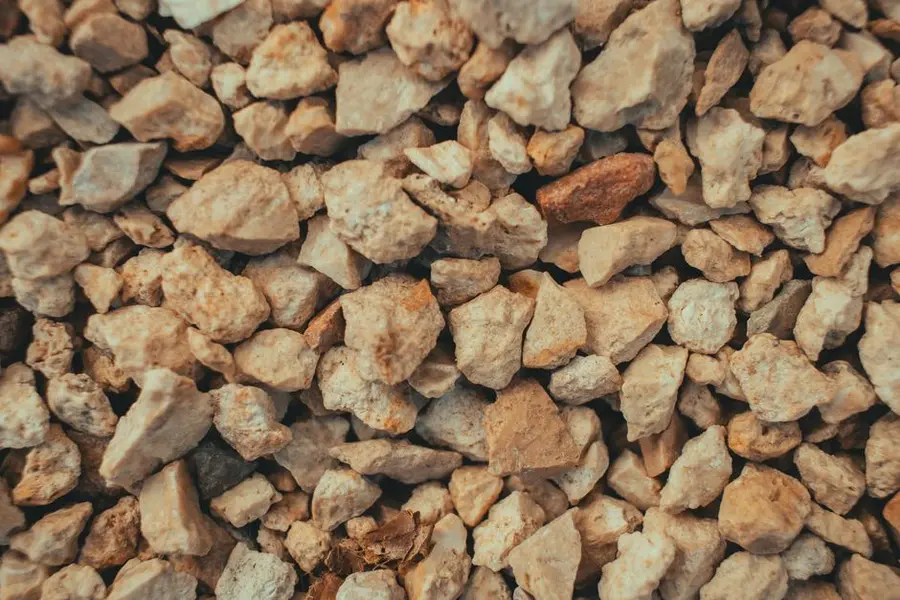
When aggregate and resin are mixed and trowelled, the stones settle with their faces and edges exposed at the surface. That creates thousands of tiny high points and channels across the driveway - a micro-texture that provides traction in every direction. Unlike a painted or sealed surface, where grip sits in a thin top layer that wears off, the texture here goes all the way through the aggregate, so it does not wear smooth over time.
The aggregate size matters too. A finer blend gives a smoother-looking finish with slightly less bite; a coarser blend gives more texture and grip. For a flat driveway this rarely comes into play - the standard blends grip perfectly well. But it is a lever that can be pulled where extra traction is wanted, which we will come to.
Wet Weather And The Coastal Factor
This is the one that matters most in Bournemouth, because wet is the normal state of a driveway here for a good chunk of the year.
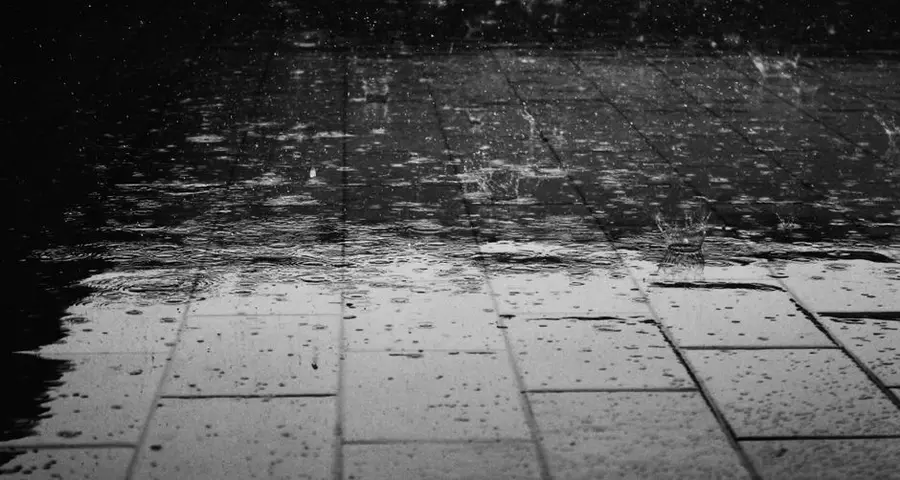
Bournemouth gets its share of Atlantic weather rolling in off the Channel, and a driveway that becomes treacherous every time it rains would be a real problem. Resin handles it well precisely because it is permeable. Rain drains through the surface rather than forming the puddles and slick films that make flat slabs, sealed concrete and pattern imprinted concrete slippery in a downpour. The textured stone keeps its grip even when the surface is wet.
That drainage is also why resin does not grow the slippery green algae film as readily as flat surfaces do. Algae thrives on standing moisture, and a surface that drains and dries faster gives it less to work with - though shaded, north-facing sections in the damp coastal air can still need the occasional wash, as covered in our cleaning guide.
Frost And Ice
Freezing weather is the one condition where any hard surface can get slippery, and it is only honest to say resin is not immune.

That said, resin still has an edge. Because it drains rather than holding surface water, there is far less standing water to freeze into the sheet of ice that forms on impermeable surfaces. And the local climate helps enormously: Bournemouth and Poole record some of the mildest winters in the country, with hard frosts far less frequent than inland. Icy mornings are an occasional event here, not a season.
When a cold snap does come, reach for grit or sharp sand to add grip, not rock salt - salt can affect a resin surface over time. Sweep it up once the cold passes. For most winters on the coast, this is a handful of mornings rather than a recurring chore.
Slopes, Steps And Extra Grip
Standard resin grips fine on a level or gently sloping drive. Where it is worth a conversation is on a steeper driveway, a ramp, or steps.

On a notable incline - and Bournemouth has plenty, with its valleys and the hilly ground around the chines and cliffs - you can build in extra traction. A slightly coarser aggregate increases the surface texture, and an anti-slip grit can be added into the resin mix for steps and ramps where grip is the priority. It changes the look very little but gives noticeably more bite underfoot.
This is worth raising on the site visit if your driveway slopes or you have specific needs. It is also why resin suits accessibility so well: it is flat and firm with no loose stone or slab edges to trip on, yet textured enough to grip - a genuine plus for the many retired and downsizing households across the area, and for anyone using a frame, wheelchair or pram.
Comparing Grip: Resin vs Other Surfaces
Set against the common alternatives, resin generally comes out ahead on grip.

Smooth or sealed concrete and pattern imprinted concrete can be slick when wet, because they are impermeable and the surface holds water - our resin vs pattern imprinted concrete comparison covers their other trade-offs too. Polished porcelain and wet flat slabs are worse again. Loose gravel gives grip but is unstable underfoot and hopeless for wheels. Block paving is reasonable but its joints and slightly uneven surface can catch.
Resin covers all three bases at once: textured enough to grip, firm enough to wheel across, and permeable enough that it does not hold the water that makes other surfaces slippery. For a coastal driveway that spends a lot of the year wet, that combination is hard to beat. If you want to see and feel the texture for yourself and talk through grip for a sloped or accessible driveway, get in touch for a free site visit with sample boards.
Frequently Asked Questions
Are resin driveways slippery?
No, resin bound driveways are not slippery in normal conditions. The surface is made of natural stone aggregate, which gives it a naturally textured, grippy finish rather than a smooth one. It also drains freely because it is permeable, so water does not sit on top to create a slick film. Resin is generally less slippery than smooth surfaces like sealed concrete, polished porcelain or wet flat slabs. For extra grip on slopes or steps, a slightly coarser aggregate or an anti-slip additive can be specified.
Are resin driveways slippery when wet?
No more than usual, and generally better than most surfaces. Because a resin driveway is permeable, rainwater drains straight through it rather than pooling on the surface, so there is no standing water to slip on. The textured stone finish still provides grip when wet. This is a real advantage in Bournemouth's damp coastal climate compared to impermeable surfaces like sealed concrete or pattern imprinted concrete, which hold surface water and can become slick in heavy rain.
Are resin driveways slippery in frost and ice?
In freezing conditions, any hard surface can become slippery, and resin is no exception - but it performs relatively well. Because it drains rather than holding surface water, there is less standing water to freeze into a sheet of ice. Frost is far less common in Bournemouth than in most of the UK given the mild coastal climate, so this is an occasional issue locally rather than a regular one. Use grit or sharp sand for grip in a cold snap rather than rock salt, which can affect the surface over time.
Can you make a resin driveway less slippery?
Yes. Resin already grips well, but for steeper driveways, ramps or steps where extra traction is wanted, you can specify a slightly larger or coarser aggregate, or add an anti-slip aggregate such as a fine grit into the resin mix. This increases the surface texture and grip without changing the appearance much. It is worth discussing on the site visit if your driveway has a notable slope or you have specific accessibility needs.
Is resin bound good for elderly or wheelchair access?
Yes. Resin bound surfacing is a good choice for accessibility. It is smooth and firm underfoot with no loose stone to trip on and no raised joints or slab edges to catch a walking frame, wheelchair or pram, yet the natural stone texture still provides grip rather than being slick. This combination of a flat, firm, grippy, well-draining surface makes it well suited to elderly residents and anyone with mobility needs - a common consideration among the many downsizing and retired households across Bournemouth and Poole.