
14 July 2026
Can You Lay Resin Over An Existing Concrete Or Tarmac Driveway?
If you already have a concrete or tarmac driveway that has seen better days, the obvious question is whether you can just put resin over the top and skip the mess and cost of digging the old one out. It is one of the most common things people ask us, and the honest answer is: often yes, but not always, and it depends entirely on what is underneath.
An overlay done on a sound base is a genuinely good option - quicker, cheaper, less disruption. An overlay done on a bad base is money thrown away, because the new surface inherits every fault of the old one. Here is how to tell which situation you are in.
The Short Answer
Yes, you can lay resin bound surfacing over an existing concrete or tarmac driveway, provided the existing surface is sound, level, and draining properly. The old surface gets cleaned, any minor defects made good, a primer applied, and the resin trowelled straight on top.
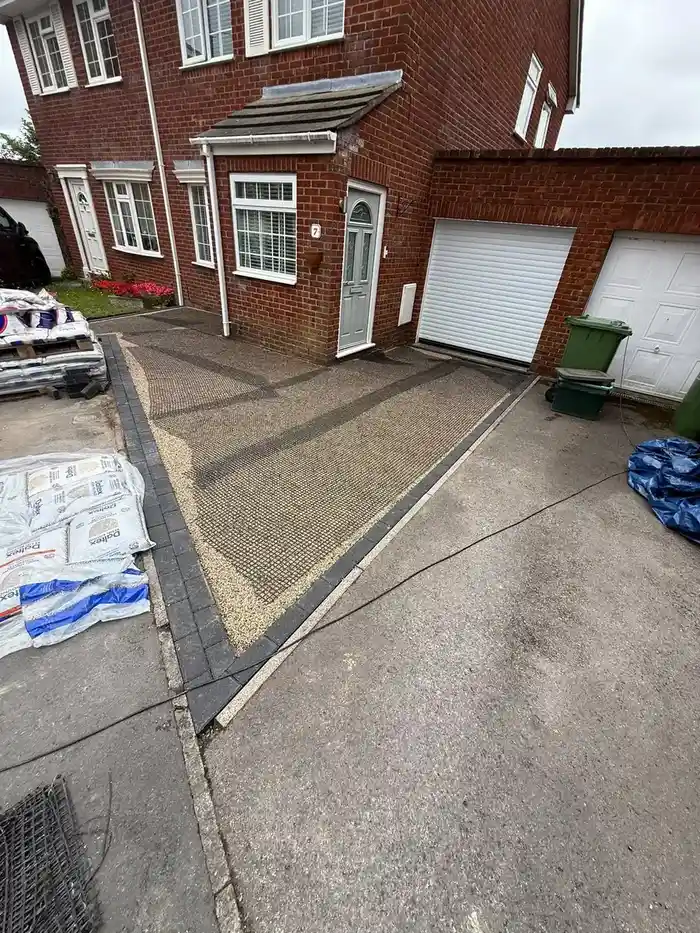
That “provided” is doing a lot of work in that sentence, though. The overlay only works if the base beneath it is going to stay put. Resin bound is slightly flexible and hard-wearing, but it is not a structural fix - it takes on the behaviour of whatever it is bonded to. A solid base gives a resin driveway that lasts 20-plus years. A failing base gives you a resin driveway that fails on the same timeline the old one would have.
So the real question is never just “can I overlay?” It is “is my existing base good enough to overlay?” And that is a question about the specific driveway, not resin in general.
Laying Resin Over Concrete
Concrete is one of the most common bases we overlay, and when it is in good condition it makes an excellent one. Solid, level, well-laid concrete gives the resin a stable, unmoving foundation.
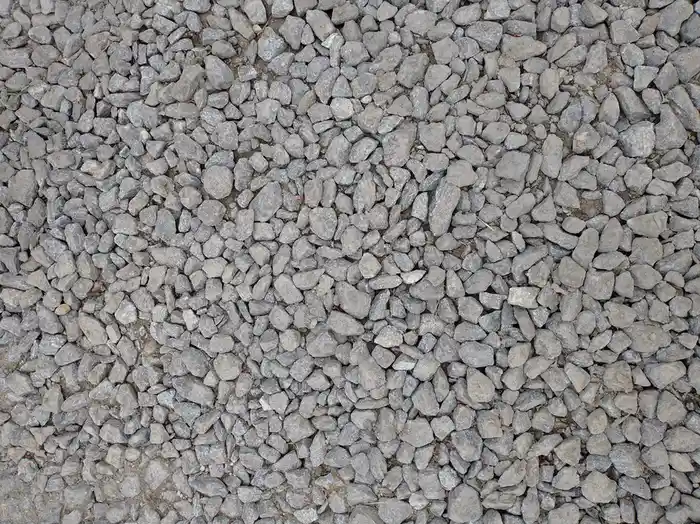
The things that rule concrete out are cracks that are still moving, sections that have sunk or lifted, and slabs that rock. A hairline crack that has been stable for years can often be treated and overlaid. An active crack - one that opens and closes with temperature and ground movement - will telegraph straight up through the resin within a year or two, because the resin cannot bridge a gap that keeps shifting.
Older concrete drives around Bournemouth, particularly the pre-1990s ones that have been patched a few times, are the borderline cases. Sometimes the concrete is fundamentally sound and just looks tired, which is ideal for an overlay. Sometimes it is breaking up and needs lifting. You cannot tell from the surface alone, which is exactly why the site visit matters.
Laying Resin Over Tarmac
Sound tarmac also makes a good overlay base. Stable, well-drained tarmac that is not crumbling or potholed takes resin well, and overlaying it avoids the significant cost and mess of breaking up and carting away an old tarmac drive.

Two things need checking with tarmac specifically. First, its condition - oxidised, crumbling tarmac with potholes or spider-cracking is past the point where an overlay will hold, because the tarmac itself is disintegrating underneath. Second, drainage. Tarmac is impermeable, and resin bound is permeable, so water passing through the resin needs somewhere to go once it hits the solid tarmac below. On an overlay onto tarmac, a good installer designs that drainage in - a permeable margin, a channel, or falls to a soakaway - rather than trapping water between the two layers.
Done properly, resin over tarmac is a clean, long-lasting result. Our resin vs tarmac comparison covers why people move away from tarmac in the first place, and an overlay is often how they do it without a full rebuild.
When An Overlay Will Not Work
It is worth being blunt about this, because a cheap overlay on a bad base is the single most common cause of the failed resin driveways we get called out to look at.
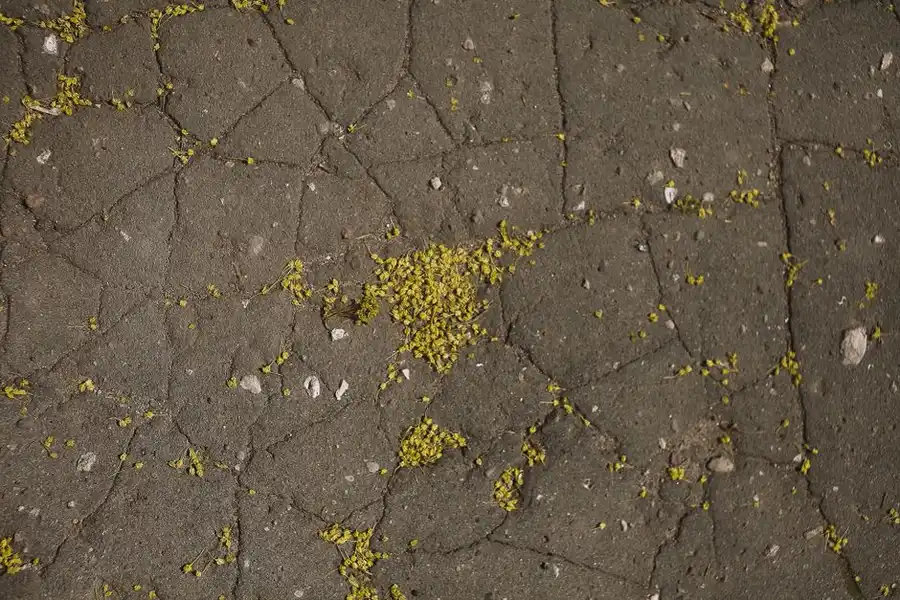
An overlay will not work if the existing surface is cracked and moving, settling unevenly, crumbling, or holding water. Resin reflects what is underneath it. Lay it over a crack and the crack comes back through. Lay it over a base that moves with the seasons and the resin moves too. Lay it over ground that does not drain and you have built a permeable surface on top of a puddle.
In those cases the right answer is to lift the old surface and install a proper permeable sub-base underneath the resin. It costs more upfront, because you are paying for excavation, disposal and new stone. But it is the difference between a surface that lasts a couple of decades and one that fails in a couple of winters. Spending overlay money on a base that needs replacing is not a saving, it is a delay.
How An Installer Checks If Your Base Is Suitable
There is no way to judge suitability from a photo or a phone description. It takes someone standing on the driveway.

On the visit, a decent installer is checking a handful of things: whether the existing surface is sound and level, whether there is any active cracking or movement, how the driveway drains now and where water goes, whether any sections rock or sound hollow underfoot, and whether the finished levels will still work once 15-18mm of resin is added - so the drive does not end up proud of the threshold or fouling the garage door.
They should give you a straight answer about overlay versus full replacement, with the reasoning. “We can overlay this because the concrete is sound and draining” is a good answer. So is “this needs lifting, because these cracks are still moving.” What you do not want is a firm overlay quote from someone who never looked at the base - that is covered in more detail in our guide to choosing a resin driveway installer.
What An Overlay Saves You
When your base is suitable, an overlay is the cheaper route by a clear margin, and that is the whole appeal.
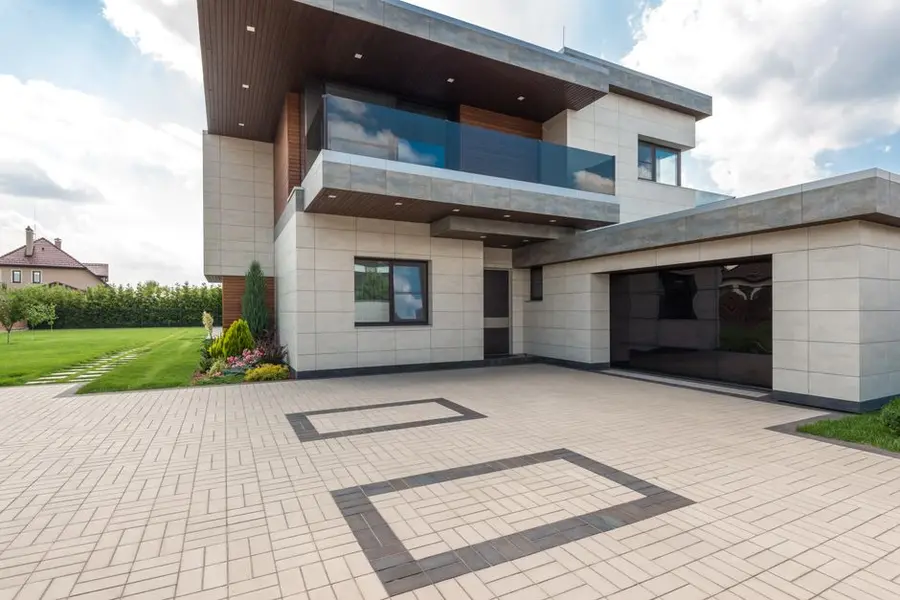
You skip the excavation, the skip hire, the disposal of the old surface, and the cost of a new sub-base. In rough numbers, overlays tend to run around £90-£120 per square metre against £150-£250 for a full sub-base installation. On a typical driveway that is a saving of several hundred to a couple of thousand pounds, plus a day or two less disruption because there is far less groundwork.
The saving only counts if the base genuinely qualifies, though. A sound concrete or tarmac drive that just looks dated is the perfect overlay candidate - you get a brand-new permeable surface at a fraction of the full cost. A failing one is not a candidate at any price. The way to find out which you have is simple: book a free site visit and we will tell you honestly whether your existing driveway can be overlaid or whether it needs replacing.
Frequently Asked Questions
Can you lay resin over an existing concrete driveway?
Yes, in many cases. If the existing concrete is structurally sound, level, free from significant cracking and draining adequately, resin bound surfacing can be laid directly over it after cleaning and priming. This is called an overlay and it saves the cost of digging out and removing the old base. If the concrete is cracked, has settled unevenly, or holds water, it needs addressing first - laying resin over a failing base means the resin fails with it.
Can you lay resin over tarmac?
Yes, sound tarmac is often a good base for a resin overlay. The tarmac must be stable, well-drained, and free from crumbling, potholes or major cracking. Because tarmac is impermeable, an overlay onto it needs drainage designed in so water that passes through the permeable resin has somewhere to go rather than being trapped on top of the tarmac. A good installer will assess this on the site visit.
How much does a resin overlay save compared to a new driveway?
An overlay avoids the excavation, disposal and new sub-base costs of a full installation, which typically saves several hundred to a couple of thousand pounds depending on the size of the driveway. Overlays commonly run around £90-£120 per square metre versus £150-£250 for a full sub-base installation. The exact saving depends on the size of the area and how much groundwork a full replacement would have needed.
When can you not lay resin over an existing driveway?
An overlay is not suitable when the existing base is cracked, moving, settling unevenly, crumbling, or draining poorly. Resin bound surfacing is flexible but it reflects the condition of whatever it sits on - a crack in the base telegraphs through the resin, and a base that moves takes the resin with it. In those cases the old surface needs lifting and a new permeable sub-base installing for the surface to last.
How do I know if my driveway is suitable for a resin overlay?
Only a physical site visit can tell you for certain. An installer checks whether the existing surface is sound and level, how well it drains, whether there is any active cracking or movement, and whether the levels will still work once 15-18mm of resin is added on top. Anyone quoting for an overlay without inspecting the base in person is guessing - insist on a site visit before accepting an overlay quote.