
18 August 2026
Resin Driveways And Tree Roots: What Bournemouth's Pines Mean For Your Drive
You cannot talk about Bournemouth without talking about pines. The town is famous for them - tens of thousands of mature pines line the chines, the avenues and the front gardens, planted by the Victorians and now towering over the driveways beneath. They are a huge part of why the place looks the way it does. They are also, if you own a driveway under one, a daily negotiation: roots below, needles and sap above.
So it is a fair question, and one we get asked on the pine roads all the time: how does a resin driveway get on with trees? Better than most surfaces, as it happens - but with some honest caveats worth knowing before you book anything. Here is the full picture.
Why Bournemouth Driveways And Trees Have To Get Along
In much of the country, a tree near a driveway is an occasional complication. Around here it is closer to the default.
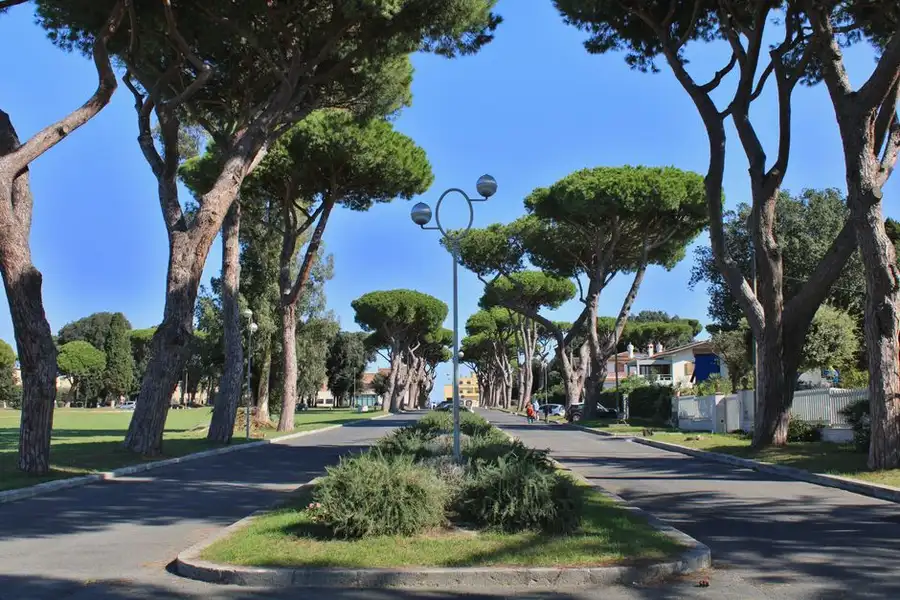
The pine avenues of Talbot Woods, Branksome Park, Canford Cliffs and Westbourne are exactly that - avenues, with mature pines standing in front gardens, verges and boundaries a few metres from the parking. Add the oaks and limes of the older suburbs and the leafy roads around Meyrick Park, and a large share of the driveways we survey have significant trees within root range. The trees were usually there first, they are often protected, and nobody sensible wants to lose them.
That rules out the brute-force answer of taking trees down, and it makes the choice of surface matter more. Some driveway materials fight the tree. A resin bound driveway is one of the few that mostly cooperates with it, and the reasons are specific.
Roots Under The Surface: Where Resin Genuinely Helps
The war between roots and driveways is usually fought over two things: water and movement. Resin has an unusual answer to both.
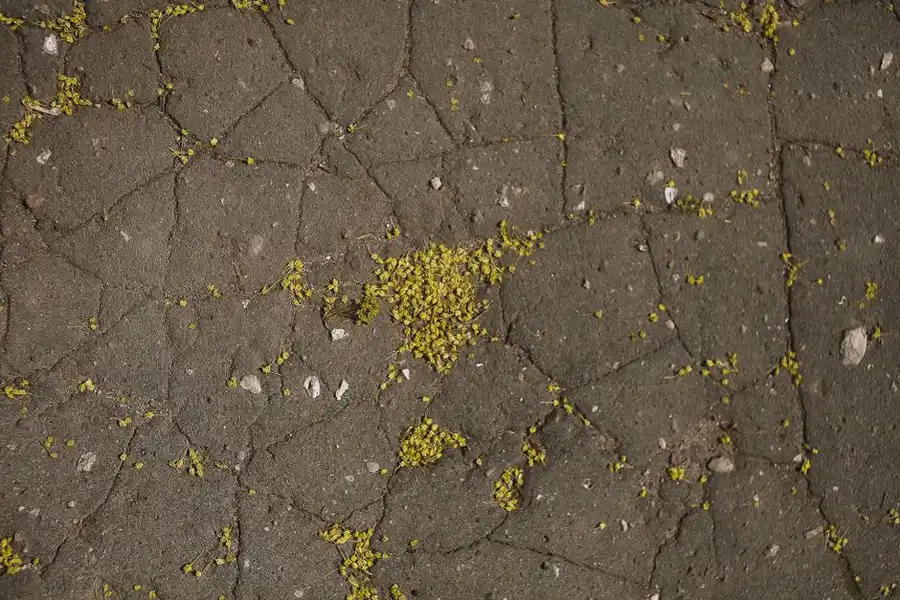
Start with water. Seal the ground over a root system with impermeable concrete or tarmac and you cut its water and air off, so the roots go looking - shallower, further, and often up, which is exactly how surfaces get lifted. A permeable resin surface on an open sub-base lets rain and air keep reaching the ground beneath, so the roots have less reason to head for the surface in the first place. It is a genuinely better arrangement for the tree, and a calmer one for the driveway.
Then movement. Ground near trees shifts seasonally as roots grow and moisture comes and goes - and on the shrink-swell clay pockets around Wimborne and the river valleys, trees make that movement bigger. A rigid slab answers movement by cracking. Resin has slight flexibility and no joints to open up, so it absorbs the minor shifts that leave pattern imprinted concrete with a crack you can never invisibly repair. Our post on what goes under a resin driveway explains the sub-base side, and near trees the sub-base is exactly where the intelligence goes.
What Resin Cannot Do
Now the honest part, because overclaiming here is how homeowners end up disappointed.
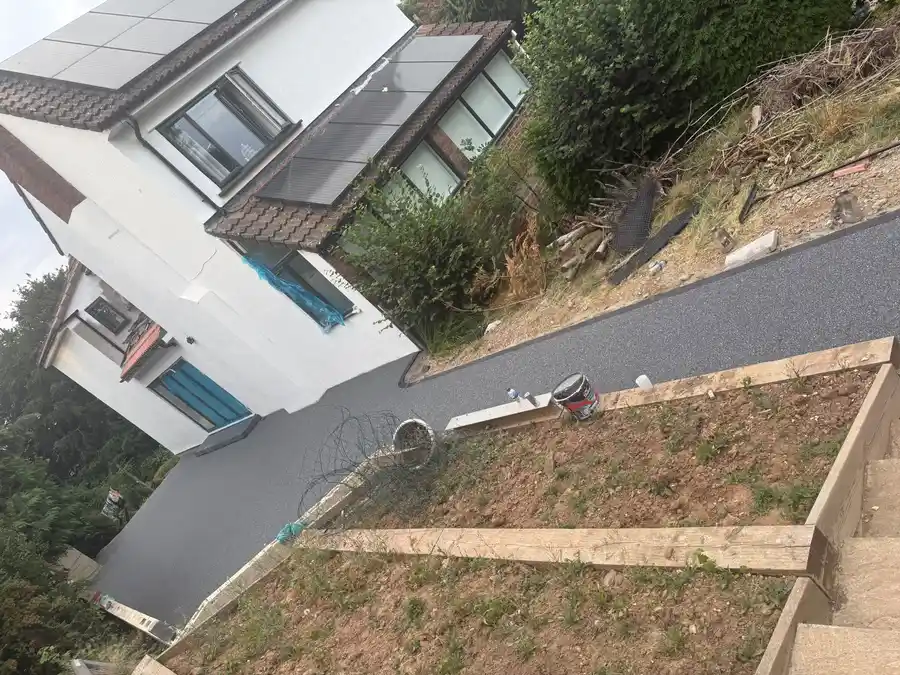
No surface beats a major root that is determined to lift it. If a substantial root is already running shallow under the drive and actively heaving the ground, laying resin over the top does not stop it - the surface will follow the movement, same as anything else would. Anyone who tells you resin is root-proof is selling, not surveying.
What a proper job does instead is deal with the root question before the surface goes down. That can mean adjusting the excavation depth to stay clear of the root zone, designing the sub-base to bridge or accommodate it, installing a root barrier where appropriate, or occasionally being straight with you that the driveway edge should curve away from the tree rather than crossing its roots. On the survey we look at what species is there, how close, and what its roots are doing - because the £100 conversation before the build beats the £2,000 repair after it.
Needles, Sap And Cones: Life Under A Pine
Roots are the below-ground problem. On Bournemouth’s pine roads, the above-ground stuff is what you deal with weekly.
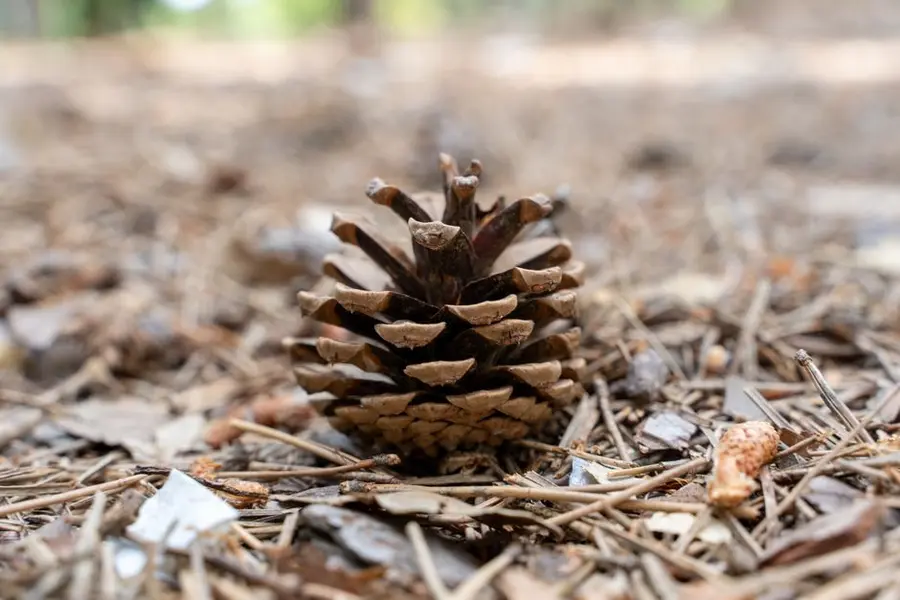
Pine needles are relentless - they drop year-round, peak in autumn, and on block paving they are a misery, working into every joint and feeding the moss that follows. On a joint-free resin surface they have nowhere to lodge. A stiff broom or a leaf blower clears them in minutes, and because the surface drains, you do not get the damp mat of needles-on-puddle that stains flat slabs. Left in a rotting pile for a season they will mark any surface, so the answer on a pine road is a quick regular sweep rather than an autumn archaeology dig. Our cleaning guide covers the routine.
Sap is the other pine speciality, and honesty again: sap drops on whatever sits under the tree. The difference with resin is that the surface is sealed, so sap sits on top and cleans off with warm soapy water, rather than soaking into porous tarmac where it stays. Cones and small branches are just sweeping. None of it is a reason to avoid resin - if anything, resin is the easiest surface to live with under a pine - but a driveway directly beneath a heavy dropper will always need more brooming than one in the open.
Protected Trees: The TPO Question
Here is the genuinely local wrinkle that catches people out: a lot of Bournemouth’s pines are legally protected.
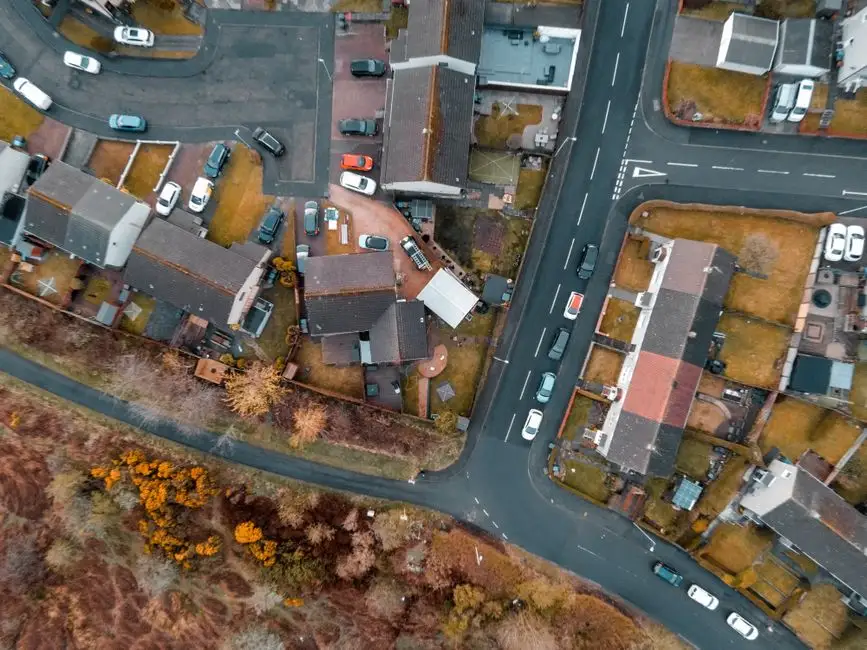
Tree Preservation Orders cover a large number of the mature pines across the BCP area - entire roads of them in places like Branksome Park and Talbot Woods, where the pines are treated as part of the area’s character. A TPO does not just stop you felling the tree. Work likely to damage it needs consent too, and that includes excavation within the root protection area - which a driveway dig-out close to a protected tree can easily be. Getting it wrong is not a slapped wrist; damaging a TPO tree is an offence that BCP Council does prosecute.
So on a pine road, part of the survey is establishing whether the tree is protected and planning the excavation accordingly - shallower digging near the root zone, hand-digging where needed, or consent from the council where the work genuinely encroaches. It adds a little planning. It is also simply how the job is done properly on these roads, and an installer who has worked under Bournemouth pines before will raise it without being asked.
Designing A Driveway That Lives Happily With Trees
Pull it together and the recipe for a driveway near trees is not complicated - it is just deliberate.
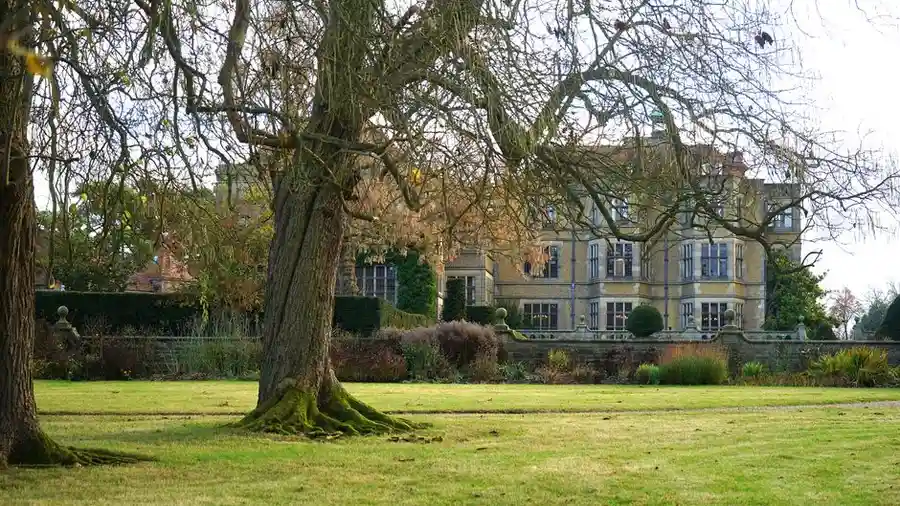
The surface should be permeable, so the tree keeps its water and the roots stay deep - which resin is by nature, and which also keeps you clear of front-garden planning permission. The build should respect the roots: assessed at survey, excavation designed around the root zone, barriers where they earn their place, and the honesty to curve an edge away from a tree when that is the right call. And the finish should be easy to keep clear of what the tree drops, which a smooth, joint-free surface is.
Do it that way and the tree and the driveway stop being rivals. You keep the pine that makes the road what it is, and you get a surface that shrugs off the needles and flexes with the seasons for twenty years. If you are on one of Bournemouth’s tree-lined roads and wondering how a resin driveway would work around yours, book a free site visit - we will look at the roots, check the TPO position, and design the drive around the tree rather than against it.
Frequently Asked Questions
Can you lay a resin driveway near trees?
Yes, and resin is one of the better surfaces for it. Because resin bound surfacing is permeable, water and air still reach the tree's roots through the surface, which keeps the tree healthier than sealing the ground under impermeable concrete or tarmac. Resin also has slight flexibility, so it tolerates the minor seasonal ground movement that tree roots cause better than a rigid slab. What it cannot do is stop a large, active root that is already lifting the ground - that needs assessing before the driveway is built, not papering over.
Will tree roots crack a resin driveway?
Small roots and normal seasonal movement are handled well - resin flexes slightly rather than cracking the way rigid concrete does. A major root growing directly under the surface is a different matter: no surface survives a root determined to lift it, and resin is no exception. The answer is in the preparation - assessing where the roots are, adjusting the sub-base design, sometimes installing a root barrier, and being honest when a driveway needs rerouting around a tree rather than laid over its roots.
Do pine needles damage a resin driveway?
No. Pine needles sweep or blow off a resin surface easily because there are no joints or gaps for them to lodge in - unlike block paving, where needles work into the joints and feed the moss that follows. Left to rot in a pile, needles will stain any surface, so on the pine-lined roads around Bournemouth it is worth sweeping in autumn. But as surfaces under pines go, a smooth joint-free resin drive is about the easiest to keep clear.
Does pine sap stick to resin driveways?
Sap drops from pines land on any surface parked under them, and resin is no different. The advantage is that a resin surface is sealed and non-porous, so sap sits on top rather than soaking in the way it does on porous tarmac or concrete. Fresh drops clean off with warm soapy water; harder spots respond to careful treatment. If you park directly under a heavy-dropping pine, that is a parking decision more than a surfacing one - no driveway material enjoys a summer under a mature pine.
Do I need permission to work near a protected tree in Bournemouth?
If a tree is covered by a Tree Preservation Order - and a large number of Bournemouth's pines are - then work that could damage it, including excavation within its root protection area, needs consent from BCP Council. That includes digging out a driveway close to a protected tree. It is a genuine consideration on the pine roads, not paperwork to skip: unauthorised damage to a TPO tree can mean prosecution. A good installer checks the TPO position before designing the excavation.