
25 July 2026
How To Repair A Resin Driveway: Cracks, Loose Stone & Patches
A well-installed resin driveway should go 20 years or more without needing anything beyond a wash. But driveways get used, things go wrong, and occasionally a resin surface develops a problem - a patch of loose stone, a crack coming through, a worn area by the gate. The good news is that resin is one of the more repairable surfaces, and most localised damage can be put right without relaying the whole thing.
The important part is understanding what caused the damage, because that decides whether a simple patch will hold or whether you are papering over a bigger problem. Here is how resin driveway repairs actually work, and how to tell which situation you are in.
Can A Resin Driveway Be Repaired?
In most cases, yes. Because resin bound surfacing is a mixed material rather than a solid slab, damaged areas can be cut out and remade with fresh aggregate and resin that bonds to the surrounding surface.
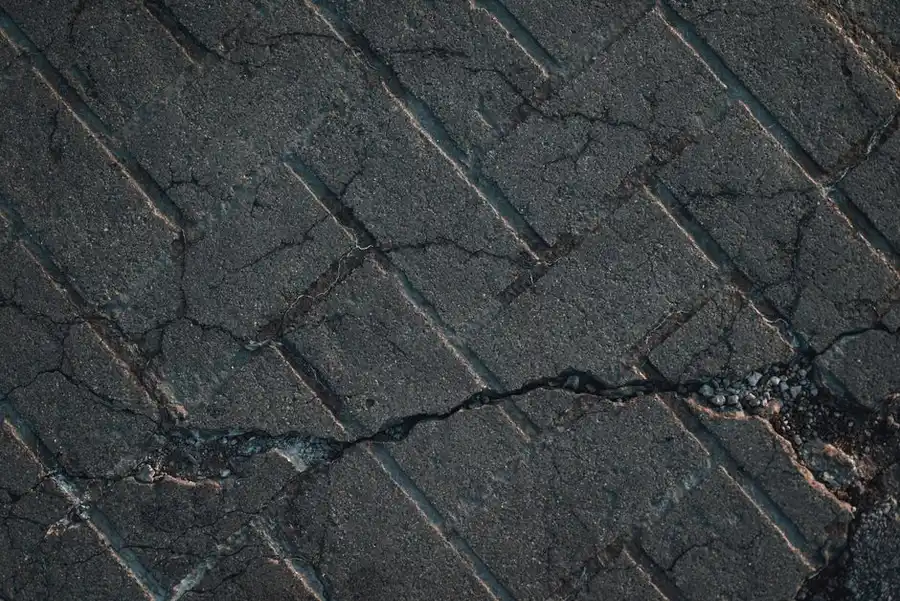
Loose or missing stone can be patched. Small cracks can be filled. Worn or oil-damaged sections can be lifted and relaid. The repair is most invisible when the original aggregate blend is known, so a matching mix can be made up - which is one good reason to keep a note of what was installed, or to use the original installer if you can.
What cannot be fixed with a surface patch is damage caused by the base underneath. If the sub-base has cracked, sunk or is moving, the resin is only reflecting that, and patching the top will not stop it. In that situation the repair has to go deeper. So before any repair, the real question is always: what caused this?
Fixing Loose Stone And Bald Patches
Loose aggregate is the most common resin repair, and usually the simplest.
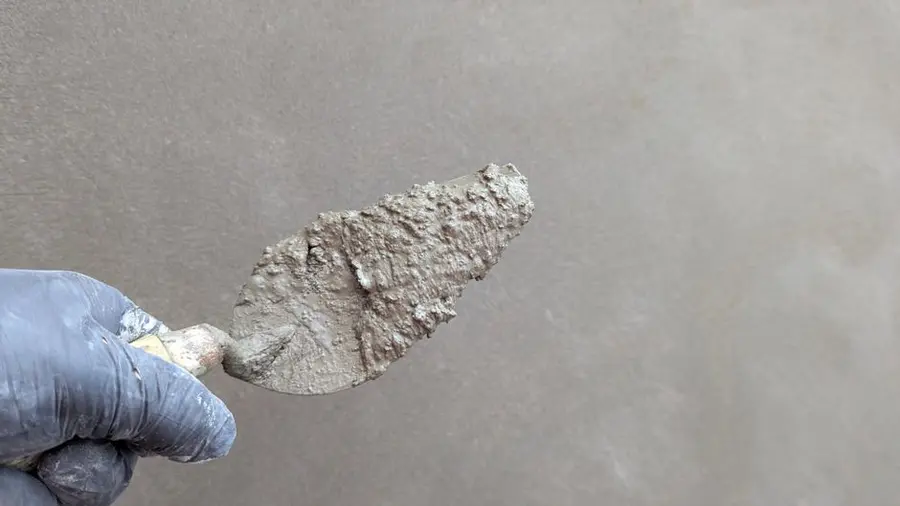
First, a caveat worth knowing: a light scatter of loose stone in the first few weeks after a new driveway is laid is completely normal. That is surplus aggregate that was never fully bound, and it stops on its own. It is not a fault and does not need repairing.
Ongoing loss is different. A bald patch that keeps growing, or stone shedding in a trafficked area months after installation, points to too little resin in the original mix or a surface laid in poor conditions. The repair itself is straightforward - the area is cleaned out, fresh matching aggregate is mixed with resin, and it is trowelled in to bond with the surrounding surface. But if the whole driveway is shedding rather than one patch, that is an installation fault, and it should be put right under the workmanship guarantee. Our post on common resin driveway problems explains why shedding happens in the first place.
Repairing Cracks
Cracks are where the “what caused it” question matters most, because resin does not crack on its own.
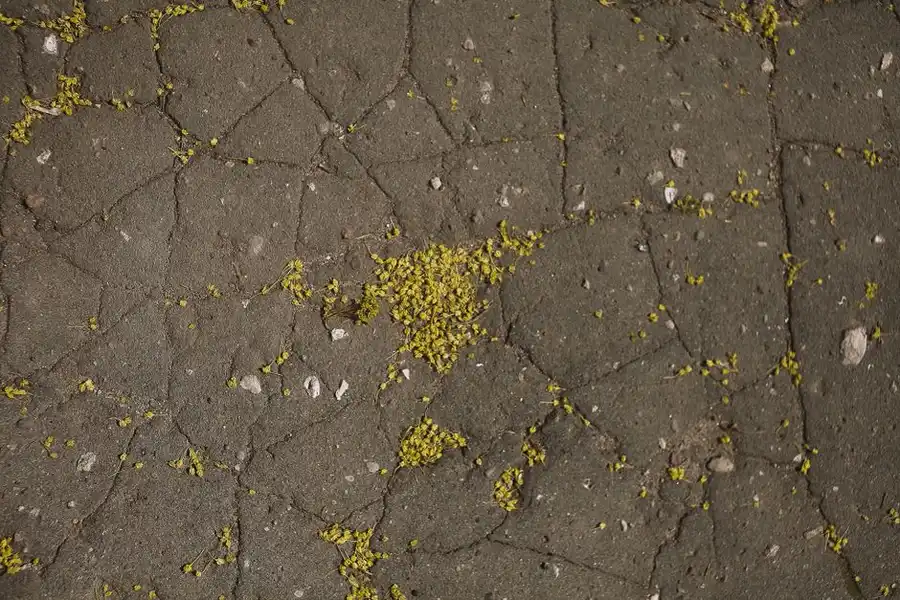
Resin bound surfacing has some flexibility and is laid on a permeable sub-base, so a crack in the surface almost always means a crack or movement in the base beneath it - old concrete that was overlaid, a sub-base that was not compacted properly, or ground movement on the shrink-swell clay found around parts of Wimborne, Ferndown and the river valleys. Filling the surface crack without addressing that base just buys a few months before it telegraphs back through.
So a proper crack repair starts with working out whether the base has moved. A hairline crack over a sound base can be cleaned and filled with resin and matching aggregate and will hold. A crack over a base that is still moving needs that section lifted, the base issue corrected, and the area relaid. Anyone who offers to fill a crack without looking at what is underneath is treating the symptom, not the cause.
Patch Repairs And Colour Matching
The thing people worry about most with a repair is whether it will show. Done well, a resin patch blends in remarkably; done carelessly, it stands out as an obvious square.
The difference is the aggregate. Resin blends are made from specific natural stone, and getting a colour match means using the same aggregate as the original - the same stone type, size and blend. When that is known, a fresh mix trowelled into a cut-out patch bonds cleanly and settles to a very close match once cured. Where the original blend is unknown, a good installer will get as close as possible from sample boards, but a slight difference in tone is more likely.
This is another reason keeping your installation details matters, and why using the original installer for repairs often gives the best result - they already know exactly what went down. If you have inherited a resin driveway with no record of the aggregate, it is still repairable, just with a little more matching work involved.
When Repair Isn’t Enough
Sometimes a patch is the wrong answer, and it is worth being honest about when.
If damage is widespread rather than localised, if it keeps coming back after repairs, or if it stems from a failing sub-base or a drainage problem, repeated patching is a false economy. You end up paying several times over for repairs that do not last, when lifting and relaying the affected area - or the whole driveway on a properly built base - would have solved it once.
The signs that a repair will not be enough are usually clear on inspection: multiple cracks tracking across the surface, areas that pond water because the base does not drain, or a surface that has never behaved since it was laid. In those cases the kindest advice is to relay it properly. It costs more upfront, but a patched driveway that fails again in a year costs more in the end. Our guide to choosing a resin driveway installer covers how to make sure a relaid surface is done right this time.
Preventing Damage In The First Place
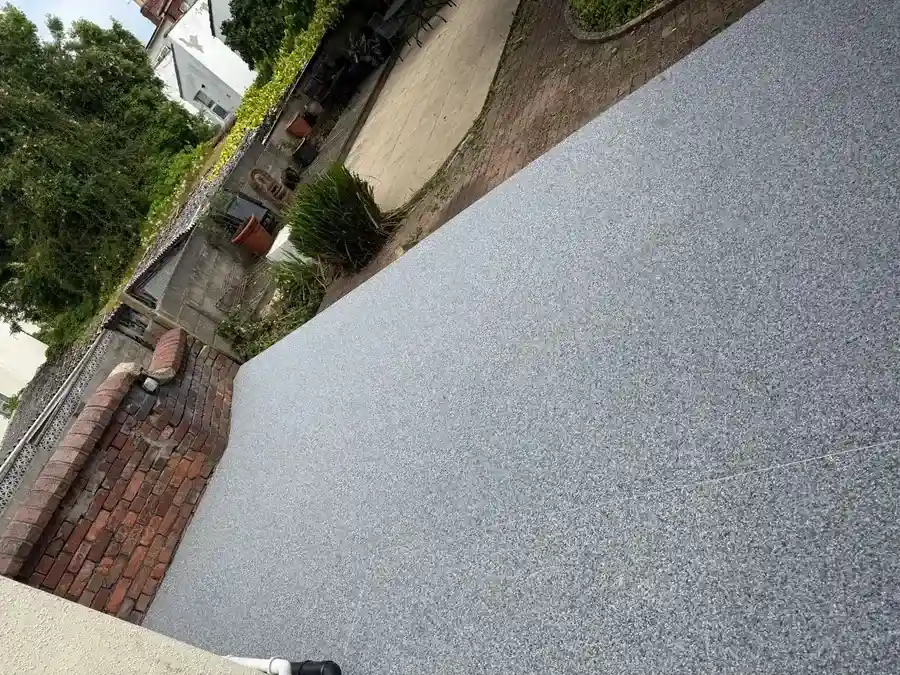
Most resin repairs trace back to something avoidable, so a little care keeps the surface out of the repair conversation entirely.
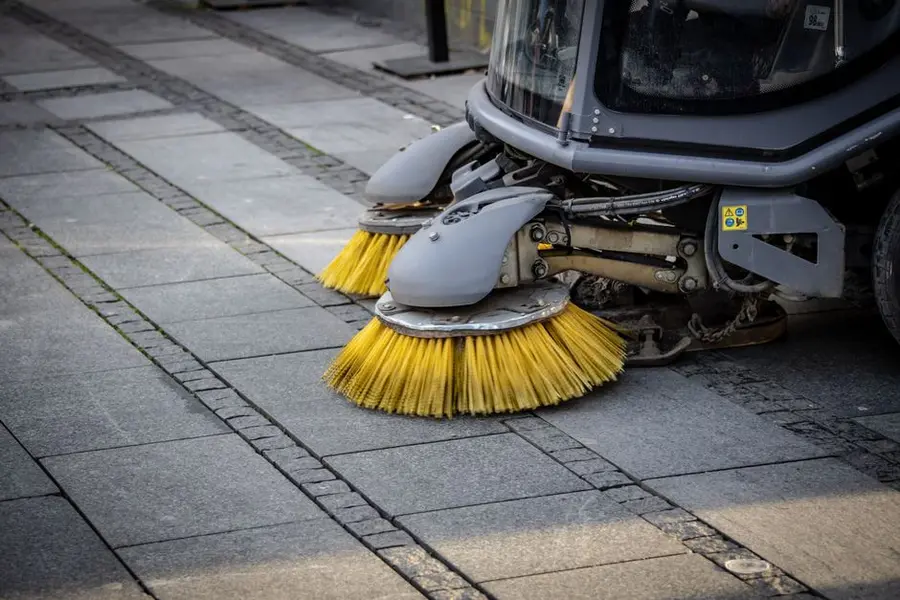
Deal with oil and fuel spills promptly before they set, avoid turning the steering wheel on the spot on a hot day in the first few weeks after laying, and keep heavy point loads - a caravan jack, a skip, a trailer stand - off the surface or spread on a board. Avoid rock salt in winter, which can affect the surface over time. And keep it swept and washed so grit does not work into the texture. Our maintenance guide and cleaning guide cover the routine in full.
If your resin driveway has developed loose stone, a crack, or a worn patch and you want to know whether it is a simple repair or something more, book a free assessment and we will tell you honestly what caused it and what it needs.
Frequently Asked Questions
Can a resin driveway be repaired?
Yes, most localised damage to a resin driveway can be repaired. Loose or missing stone can be patched by re-mixing matching aggregate and resin into the affected area, small cracks can be filled, and worn or damaged sections can be cut out and relaid. The repair blends best when the original aggregate is known so the colour matches. The exception is widespread damage caused by a failing base - if the sub-base beneath is cracked or moving, patching the surface only delays the problem and the affected area needs lifting and relaying properly.
How do you fix loose stones on a resin driveway?
Small areas of loose or missing aggregate are repaired by cleaning out the affected patch, mixing fresh matching aggregate with resin, and trowelling it into the gap so it bonds with the surrounding surface. A minor scatter of loose stone in the first few weeks after installation is normal and stops on its own. Ongoing loss in a trafficked area usually points to an original mix or installation fault, which should be covered by the installer's workmanship guarantee rather than paid for as a repair.
Can you repair cracks in a resin driveway?
Small surface cracks can be filled and blended. But a crack in a resin driveway almost always reflects a crack or movement in the base underneath rather than a fault in the resin itself, because resin is slightly flexible and does not crack on its own. Filling the surface crack without addressing the base means it will usually reappear. A proper repair identifies whether the base has moved, and if it has, the affected section is lifted and relaid on a sound sub-base.
How much does it cost to repair a resin driveway?
Small patch repairs - loose stone, a minor crack, a single damaged area - are relatively inexpensive, often a few hundred pounds depending on size and access. Larger repairs involving lifting and relaying sections cost more, and a full resurface approaches the cost of a new installation. The most cost-effective outcome is usually to fix small issues promptly before they spread. A site visit is the only way to price a repair accurately, because it depends on the cause and extent of the damage.
Is it better to repair or replace a resin driveway?
It depends on the cause. Localised damage on an otherwise sound surface is worth repairing - it is cheaper and the repair blends well. But if the damage is widespread, or it stems from a failing sub-base, base drainage problems, or a poor original installation, repeated patch repairs are a false economy and relaying the affected area or the whole driveway is the better long-term value. An honest assessment of what caused the damage is the deciding factor.