
18 August 2026
7 Resin Driveway Myths That Need To Die
Every trade has its myths, and resin driveways have collected more than their share. Some are decades out of date, some confuse resin with a different product entirely, and a couple are pure pub wisdom that nobody can trace but everybody repeats. We hear them on surveys across Bournemouth every week - usually as “my mate said” or “I read somewhere” - and some of them genuinely stop people choosing the right surface for their home.
So here they are: the seven we hear most, what is actually true, and where each myth came from in the first place. Because most myths do start somewhere, and knowing the somewhere is half of un-learning them.
Myth 1: “Resin Is Slippery When It Rains”
This one has it exactly backwards, and it is the myth we hear most on the coast, where wet is the default state of a driveway for half the year.
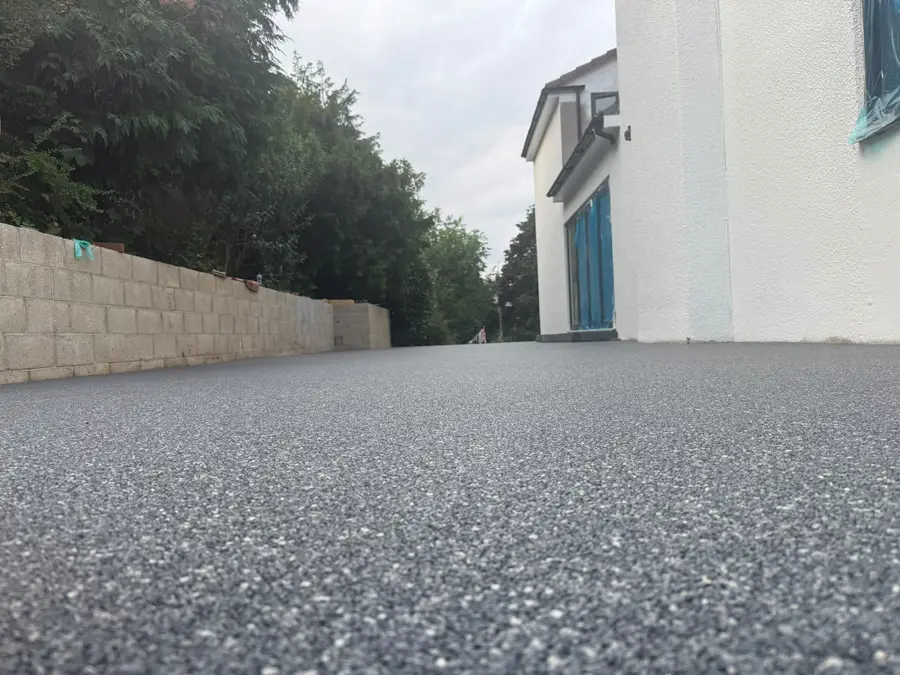
A resin bound surface is thousands of pieces of natural stone with their faces exposed - a textured, grippy finish, nothing like glass. And because the surface is permeable, rain drains straight through it rather than lying on top. The slick film of standing water that makes flat slabs, sealed concrete and pattern imprinted surfaces treacherous simply does not form. Wet grip is one of resin’s genuine strengths, not a weakness, and for a steep drive the aggregate can be chosen coarser for even more bite.
Where did the myth come from? Probably from smooth troweled concrete and glossy sealed surfaces, which are slippery wet - and from people reasonably assuming “smooth-looking” means “slippery.” It does not, and our full post on whether resin driveways are slippery walks through the physics.
Myth 2: “It Won’t Survive A British Winter”
The picture behind this myth is resin cracking in frost or somehow dissolving in the endless rain. Neither happens.
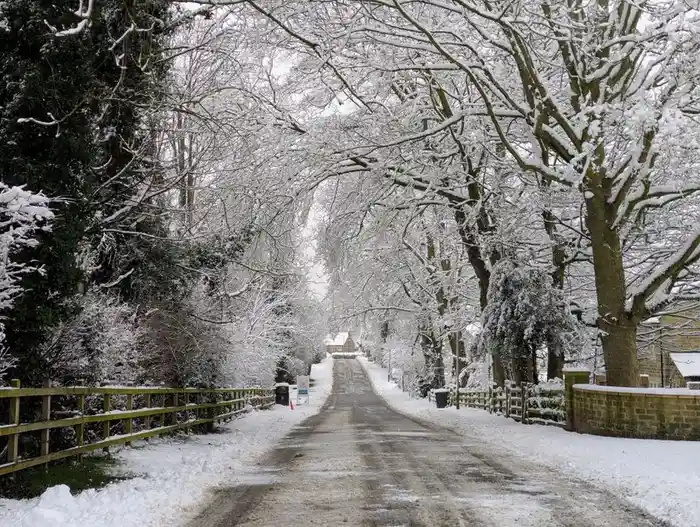
Cold does not bother cured resin - the material stays stable well below any temperature Dorset sees. Freeze-thaw, the thing that genuinely destroys rigid surfaces, works by water getting into cracks, freezing and expanding; a permeable resin surface drains rather than traps water, so there is less standing water to freeze in the first place, and its slight flexibility shrugs off what movement there is. Rain, as covered above, goes straight through. And this is Bournemouth: one of the mildest winters in the UK, where a hard frost is an event rather than a season.
The kernel of truth is about installation, not winters - resin should not be laid in freezing or wet conditions, which is a scheduling matter for the crew, not a durability problem for you. Once it is down and cured, winter is the least of its worries. The one genuine winter rule: grit, not rock salt, on the icy mornings we do get.
Myth 3: “All Resin Driveways Are The Same”
This might be the most expensive myth on the list, because believing it leads people straight to the cheapest quote.
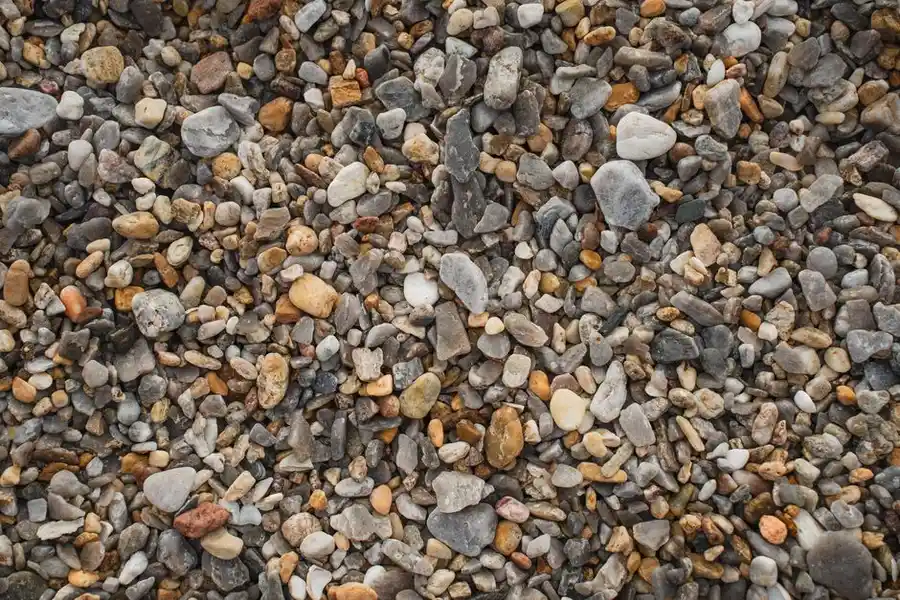
Start with the product confusion: resin bound and resin bonded are different things. Bound is the smooth, permeable surface people actually picture - stone and resin mixed through and trowelled. Bonded is stone scattered over a coat of resin: rougher, impermeable, sheds stone, and often what gave resin a bad name when it was sold as the same thing. Our bound vs bonded guide covers the difference in full.
Then, even within genuine resin bound, installations vary enormously - sub-base depth, compaction, resin grade, whether the mix was weighed or eyeballed. Two identical-looking driveways on handover day can be twenty years apart in lifespan. “All resin is the same” is exactly what the corner-cutting quote wants you to believe. It is the installer, more than the material, that you are choosing.
Myth 4: “It Goes Yellow After A Couple Of Years”
This one was true - about cheap resin, years ago - and it has outlived the products that earned it.
The stone in a resin drive never fades; it is natural aggregate and its colour is its colour. What yellowed on the bad old jobs was low-grade resin binder breaking down under UV light, tinting the whole surface amber. UV-stable polyurethane binders solved that, and a surface laid with one holds its look for its whole life. The catch is that cheap binders still exist, and some installers still quote with them - the difference is invisible on day one and obvious by year three.
Around Bournemouth this matters more than almost anywhere: the south coast records among the highest sunshine hours in the UK, so a south-facing drive here takes a UV load that would expose a cheap binder fast. The myth is not a reason to avoid resin. It is a reason to ask one question: “what resin system are you using, and is it UV-stable?” A named product you can look up is the right answer.
Myth 5: “Resin Driveways Are High Maintenance”
We suspect this one wanders in from other surfaces, because it is hard to see how it attached itself to resin at all.
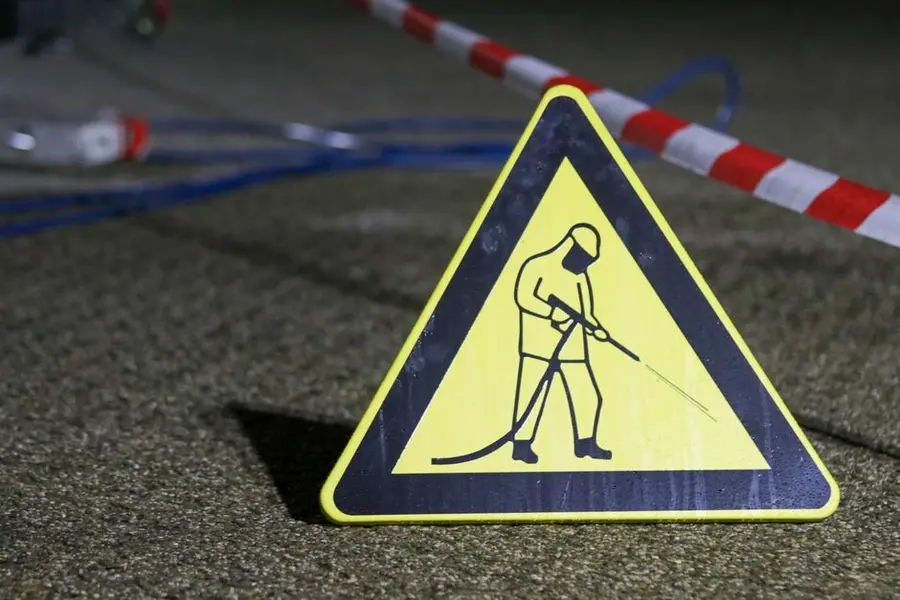
Pattern imprinted concrete needs re-sealing every two to three years to keep its colour. Block paving needs re-sanding and a running battle with joint weeds. Gravel needs raking and topping up forever. Resin needs - a sweep. An occasional rinse, a sensible jet wash once or twice a year, and that is genuinely the list. No joints for weeds, no sand, no sealant, no resurfacing. Our cleaning guide exists mostly to tell people how little there is to do and how not to overdo it.
If anything, the maintenance argument runs the other way: low upkeep is one of the main reasons people choose resin over the alternatives, especially anyone who has spent Saturdays weeding block paving and vowed never again.
Myth 6: “It’s A Fad - Expensive And Style Over Substance”
Resin costs more than tarmac, so the suspicion is understandable: are you just paying for fashion?
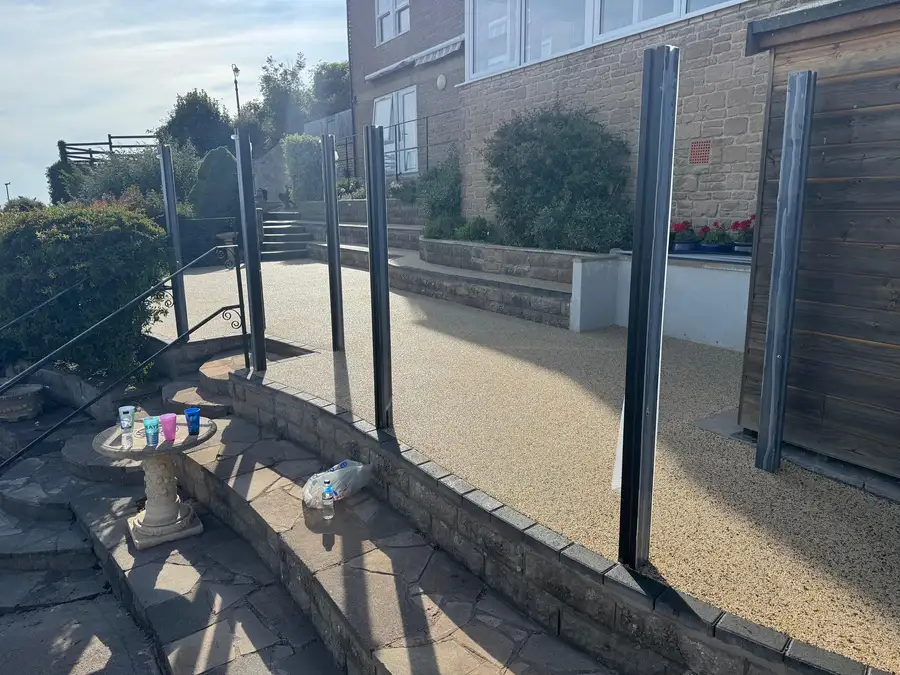
But the case for resin was never really about looks. It is permeable, which keeps you clear of the planning permission that impermeable surfaces over 5m² trigger under the government’s front garden surfacing rules{target=“_blank” rel=“noopener noreferrer”}, and which stops your drive contributing to the surface water that floods low-lying coastal streets. It lasts 20-25 years against tarmac’s 10-15. It needs nearly nothing spent on it in between. Run the numbers over two decades and the premium shrinks to very little - our honest look at whether resin is worth it does exactly that, including the cases where it is not.
And as for “fad”: resin bound surfacing has been laid in the UK for well over two decades. Fads do not usually come with 20-year track records and a planning exemption written around their drainage.
Myth 7: “You Can Lay It Over Anything, Any Time”
The last myth is the optimistic one, usually sold by whoever quotes lowest: resin as a magic carpet that goes over any old surface in any weather.

Half true, and the half matters. Resin can overlay a sound, level, draining base - that is a genuine strength and a real cost saver. But laid over cracked, moving or waterlogged ground it simply inherits the problems beneath it, and laid in rain or cold it can fail to cure properly. The surface is only ever as good as the base and the conditions on the day, which is why proper installers assess the base in person and reschedule around weather rather than gambling your driveway on a forecast. Our problems guide shows what happens when someone believes this myth on your behalf.
So that is the pattern across all seven: the myths mostly describe cheap products and bad installations, not resin itself. Choose the surface with accurate expectations and a proper installer, and none of them will ever apply to your drive. If you have heard a claim about resin - for or against - and want a straight answer for your own property, book a free site visit and ask us anything. Myth-busting in person is free.
Frequently Asked Questions
Are resin driveways slippery when wet?
No - this is the most common myth and it has things backwards. A resin bound surface is natural stone aggregate, which gives a textured, grippy finish, and because it is permeable, rain drains through it rather than sitting on top as the slick film that makes flat slabs and sealed concrete slippery. On a wet Bournemouth morning a resin drive generally has more grip than the surfaces people assume are safer. For steep drives, extra grip can be specified with a coarser aggregate.
Do resin driveways melt or fail in winter?
No. A correctly installed resin bound surface handles UK winters comfortably - the material stays stable in cold weather and the permeable structure means there is less standing water to freeze into ice sheets. The winter myth mostly comes from confusion with poor installations that failed for other reasons, usually a bad sub-base. In Bournemouth's mild coastal climate, with some of the fewest hard frosts in the country, winter is even less of an issue. The only genuine winter rule is to use grit rather than rock salt for icy mornings.
Do resin driveways turn yellow?
Cheap ones can; good ones do not. Yellowing comes from low-grade resin binders that degrade under UV light - the stone itself never fades. A UV-stable polyurethane binder holds its colour for the life of the surface, which matters more in Bournemouth than almost anywhere in the UK given the south coast's high sunshine hours. This myth is really a lesson about specification: ask what resin system your installer uses and whether it is UV-stable, and the yellowing problem never reaches you.
Are all resin driveways basically the same?
Not remotely. Resin bound and resin bonded are different products - bound is the smooth, permeable, mixed-through surface; bonded is stone scattered over a resin coat, rougher, impermeable and prone to shedding. Beyond that, installations differ hugely in sub-base depth, resin quality, mix ratios and workmanship, which is why two quotes for the same drive can behave completely differently five years on. The surface people picture when they say resin driveway is a properly installed resin bound system, and getting that depends on the installer more than the material.
Is a resin driveway high maintenance?
The opposite. A resin bound driveway needs a sweep and an occasional rinse - no re-sanding, no re-sealing, no annual weed treatment, no resurfacing. The high-maintenance myth usually comes from confusion with pattern imprinted concrete, which genuinely does need re-sealing every few years, or block paving with its endless joint upkeep. Resin is about the lowest-maintenance driveway surface you can lay, which is a large part of why people choose it.